
Economy
The Reality Of Poverty In Nigeria Cannot Be Ignored

The Reality Of Poverty In Nigeria Cannot Be Ignored
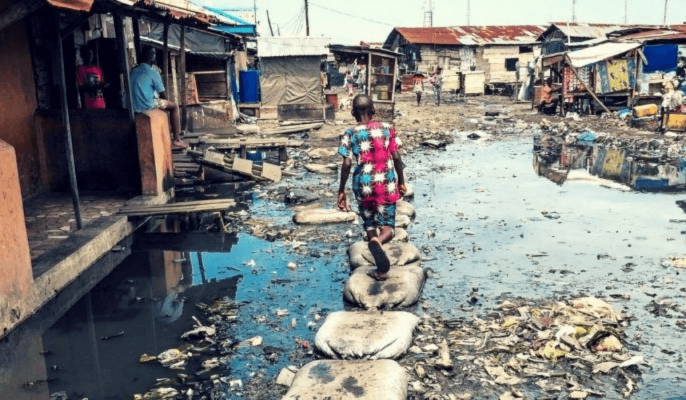
Poverty in Nigeria is not merely a topic of casual conversation; it is a pressing and pervasive reality that affects millions of lives daily. Despite being one of Africa’s largest economies and rich in natural resources, Nigeria grapples with significant socioeconomic challenges that perpetuate widespread poverty.
The heavy signs of poverty and hardship surfaced within the few years of the Muhammad Buhari administration. Nigerians screamed and wept, but help came from nowhere. The ugly trend persisted, throwing millions of people into poverty and life-threatening conditions. People waited for the eight years to expire, believing that there would be a change. Just like a tale told by idiots, the greatest calamity fell on Nigerians with the onset of President Bola Ahmed Tinubu—he really continued from where Buhari stopped.
Many have failed to understand the essence of leadership. Leadership would entail crossing over ahead of your followers in exemplary walk and servanthood initiatives. To be worthy of a following, you need more than talent and a title. Leading others involves helping them as well. Many people will serve when they’re compelled to, and some will serve in a crisis. But when you have a servant’s heart, you initiate service to others.
Political leadership in Nigeria does not just chase clout, worship power, and mandate; it’s shrouded in an entitlement mentality. Nigeria is a country where ‘anything goes’. Those in leadership positions rely on the impregnable defence from the office they occupy and the allowances of the immunity clause to perpetrate atrocities. Therefore, we have a reign of impunity in Nigeria. As Nigerians wrestle one-on-one with poverty, getting up close and personal with hardship, the powers that be go toe-to-toe with the populace in squeezing life out of them through the removal of subsidies, taxation, and nepotistic appointments. The middle class is completely eroded, and it’s hard to find a family in that cadre that would comfortably gather once a week on a table of tea, bread, and butter with eggs. The stakes are incredibly high for the poor masses because there is no hope for a better Nigeria. Historical records show that Nigeria and her government have never provided a good, conducive environment for foreign direct investment (FDI).
There is economic inequality fueled by corruption, poor governance, and inefficient resource management. Most people have either lost their jobs, are unemployed, or are receiving meagre wages due to economic policies. We have limited access to education, poor educational infrastructure, and inadequate health care services. The East is faced with unknown gunmen, kidnappers, and non-state actors. The North is plagued with terrorists and bandits; the West is terrified by Fulani herders, while the South, enmeshed in violence, is a no-go area. We have poor road networks, limited electricity supply, and insufficient water, and sanitation facilities.
In “The 21 Irrefutable Laws of Leadership,” Dr. John Maxwell made us understand that timing is an important aspect of leadership and decision-making. What we see here is that personal interests override public interest. It has brought suffering, sorrow, and suffocation to the citizenry. Nigeria, due to leadership failure, moves towards disorder and decay. The poor masses are paying with their blood. The country is porous, volatile, and violent. The cycle of deprivation ensures that the son of nobody cannot be somebody and is likely to remain poor throughout their life. Where are the reforms, and what are the benefits of good governance? Poverty is not just idle talk but a critical challenge that requires sustainable solutions and a commitment to creating a more equitable and prosperous nation for all citizens.
Human beings most of the time need help and assistance. Nevertheless, we will never be totally free from stress, but we can learn to cope with it and conquer it. Life is not about waiting for the storms to pass, but about learning how to dance in the rain. “Each man has within him the power to choose how he will react to any given situation (Viktor Frankl, Man’s Search for Meaning). Some people today do not wish to accept responsibility for their actions. They blame society. They blame the environment. They blame the schools. We can’t blame it all on somebody else. Financial stress could affect physical and mental health, touching personal relationships, and dictating high blood pressure. Nigerians should engage in self-care, set future financial goals, set a budget and stick to it, and take advantage of free help. They should make a game plan for debt. One of the greatest fears is to stay without money, and that has happened to many Nigerians. Always talk to your families about what you are experiencing.


-
 Latest News2 weeks ago
BREAKING: FG Makes Fresh Appointment
-

 Latest News2 weeks ago
Tinubu Shelves UNGA Trip, Shettima To Lead Nigerian Delegation
-

 Entertainment1 week ago
Nollywood Actress, Nimmy Ferrari Buried In Newly Built House
-

 Latest News2 weeks ago
NDC Rejects INEC List: ‘We Did Not Submit The Names Published
-

 Latest News2 weeks ago
Kwankwaso Breaks Silence After Meeting Peter Obi, NDC Candidates
-

 Latest News2 weeks ago
ICPC Sacks Officer After Sneaking El-Rufai’s Wife Into Facility
-
 Latest News1 day ago
BREAKING: Akpabio, Oshiomhole, Uzodimma, 1,300 Others Named In INEC List
-

 Latest News2 weeks ago
After 12 Years, Uber Pulls Out Of Nigeria — Full Details Emerge
-
 Latest News1 week ago
Kano: Only Opposition Senator Dumps Party For APC With 136,000 Supporters
-
 Latest News1 week ago
15 Northern States Will Collapse Within 3 Months” — Ogunyemi Hits Atiku Over Subsidy Promise
-
 Latest News2 days ago
2027 Politics: Two Lawmakers Defect To APP
-
 Latest News2 weeks ago
Human Trafficking: NSCDC Rescues 15 Minors Allegedly Sold For ₦2m Each