


Retired Generals Drop Bombshell: Military Powerless Against Bandit Taxation
 Follow us on Google News
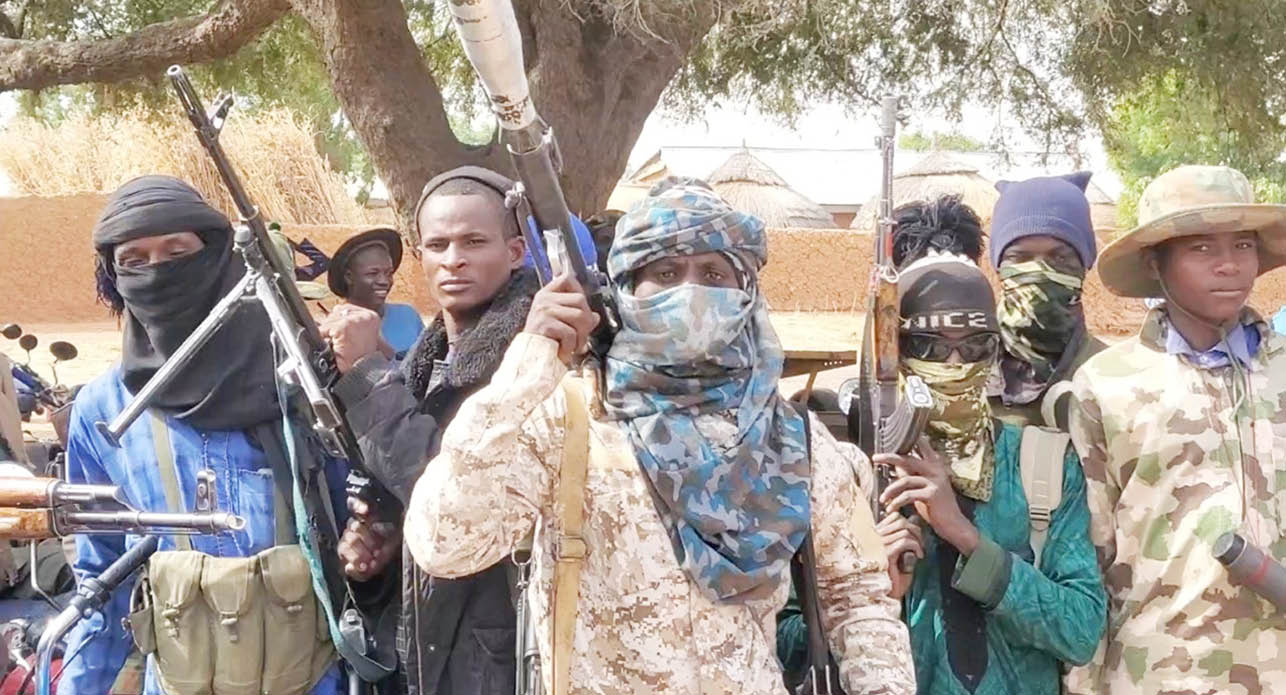
Retired Generals Drop Bombshell: Military Powerless Against Bandit Taxation
Some retired military generals have acknowledged that despite ongoing counterterrorism operations, the Nigerian military is unable to prevent residents in conflict-ridden areas from paying levies and ransoms to bandits.,…….READ MORE
According to Ireporter, the former military officers expressed doubts over the military’s capacity to curb these forced payments, citing widespread fear and insecurity in rural communities.
Since banditry transformed into an organized crime network in northern Nigeria—characterized by mass abductions, violent raids, and extortion—many farming communities have been forced to pay ransoms, levies, and protection fees to secure their safety.
These imposed levies range between ₦20 million and ₦200 million, with notorious bandit kingpins threatening to attack villages and farmlands if payments are not made.
Communities Struggling to Raise Ransoms
- July 2024 – Residents of Toro community, Benue State, were forced to sell their farm produce to raise ₦20 million demanded by bandits. Each resident reportedly contributed ₦50,000 to prevent attacks.
- September 2024 – In Moriki town, Zamfara State, locals struggled to raise ₦30 million demanded by infamous bandit leader Bello Turji.
- January 2025 – Another feared bandit leader, Dantsito, issued a ₦200 million levy demand, threatening to invade Tsafe LGA, Zamfara State if unpaid.
- Last week – A Sokoto State lawmaker, Aminu Boza, revealed that Turji had imposed a ₦25 million levy on Sabon Birni villages.
According to the Gobir Development Association, residents across affected regions have paid over ₦160 billion in ransoms and levies to bandits.
Despite the rise in bandit-imposed levies, the Defence Headquarters (DHQ) has repeatedly urged residents in northern Nigeria not to succumb to financial extortion.
Speaking with Punch, former Commandant of Army Signals and ex-Chief of Defence Training and Planning, Gen. Ishola Williams (retd.), pointed out that public distrust in the military has led communities to comply with bandits’ demands.
“People don’t trust the military anymore. If residents knew the military would act against those extorting them, they wouldn’t waste their money. It’s a matter of trust.”
He also suggested that some members within affected communities may be benefiting from the levies and ransoms, making it difficult to eradicate the practice.
Similarly, Brig. Gen. John Sura (retd.), a former Commander of 1 Division, Nigerian Army, noted that residents in remote areas struggle to heed the military’s advice due to the lack of consistent security presence.
“If someone stronger than you threatens to kill you unless you pay, you have no choice but to comply,” he said.
Sura further emphasized that military forces are mainly stationed at LGA headquarters or major road junctions, leaving villages—some located 5 to 10 kilometers away—without immediate protection.
“This is why many communities resort to self-defense groups, like the Forest Guard in Benue State. Some Bauchi communities inflicted heavy losses on bandits, forcing them to flee.”
Another retired general, speaking anonymously, blamed the military’s limited manpower for its inability to provide adequate security across all affected regions.
“The military can make announcements telling residents not to fear bandits, but the reality is different. The bandits are right there in their communities, armed and in control.”
He further noted that while military operations are conducted in these areas, soldiers do not remain stationed—unlike the bandits who never leave.
“Security agencies can’t be everywhere. In Sokoto, where residents pay bandit levies, the military isn’t present permanently. They come for operations and then leave, but the bandits stay.”
“If criminals are the ones constantly around, who do you think the people will obey? The government forces that come and go, or the armed bandits that live among them?”
With banditry continuing to spread and communities struggling under the weight of extortion, many are calling for urgent government intervention to restore security, trust, and stability in affected regions.







Comments
0 comments