
US Halts Immigration And Citizenship Applications For Nigerians And 19 Other Nations
 Follow on Google News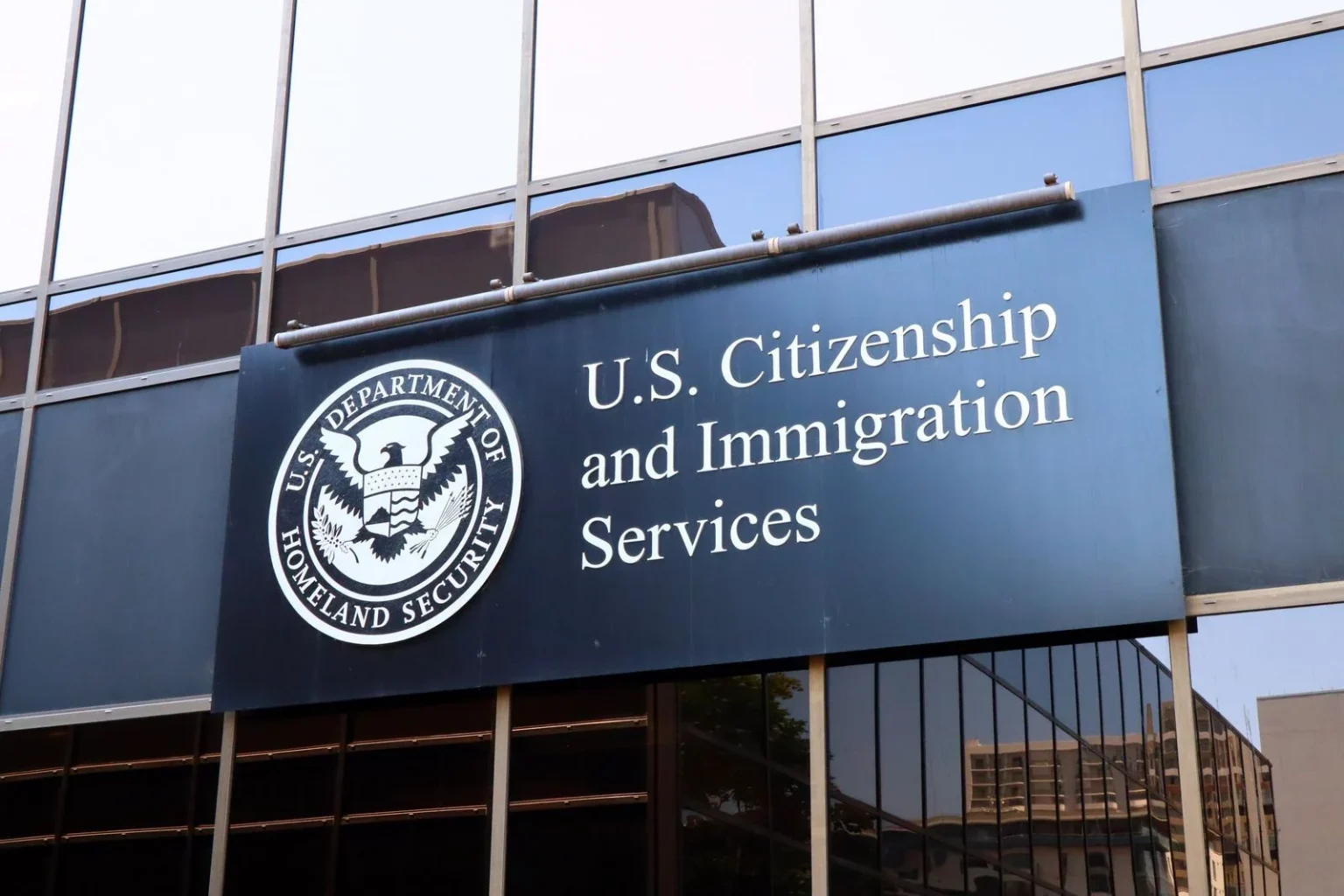
According to Ireporter Online, the United States government has temporarily suspended legal immigration applications and citizenship requests from Nigerians and citizens of several other countries recently added to the US “travel ban.”
The suspension affects immigrants from select African and Asian nations and represents an expansion of the broad immigration restrictions initiated earlier this month. Many impacted are legal residents in the US seeking to adjust their immigration status or apply for citizenship.
Earlier in December, US Citizenship and Immigration Services (USCIS) was ordered to halt all immigration petitions, including requests for permanent residency and citizenship, from nationals of the 19 countries initially targeted under the travel ban imposed in June. The measure followed the Thanksgiving week attack in Washington, D.C., reportedly carried out by an Afghan national, which prompted heightened security and immigration restrictions.
On Tuesday, President Donald Trump extended the travel ban to include 20 additional countries, fully barring entry from five new nations and imposing partial restrictions on 15 others. The expanded suspension now affects citizens of Burkina Faso, Mali, Niger, South Sudan, and Syria, as well as those from Angola, Antigua and Barbuda, Benin, Côte d’Ivoire, Dominica, Gabon, Gambia, Malawi, Mauritania, Nigeria, Senegal, Tanzania, Tonga, Zambia, and Zimbabwe.
Previously, the restrictions applied to nationals of Afghanistan, Burundi, Chad, Cuba, the Republic of the Congo, Equatorial Guinea, Eritrea, Haiti, Iran, Libya, Laos, Myanmar, Sierra Leone, Somalia, Sudan, Togo, Turkmenistan, Yemen, and Venezuela. Citizens of Laos and Sierra Leone now face a complete entry ban.
USCIS Director Joseph Edlow, in a social media statement, affirmed that the agency is reviewing applications from anyone deemed a potential threat to the US, including nationals identified in the latest presidential proclamation.
The expanded travel ban now covers over 60% of African countries and roughly 20% of nations worldwide. The Trump administration maintains that the restrictions are necessary to protect national security and ensure thorough vetting of applicants.
The decision has drawn sharp criticism from Nigerians and others affected, with many dismissing the security concerns cited by Washington and warning of potential diplomatic and economic repercussions. Former senator Shehu Sani described the move as “a clear signal that migrants from developing countries are no longer welcome.”







Comments
0 comments