


Momoh Urges African Engineers To Prioritise Climate-Resilient Infrastructure
 Follow us on Google News
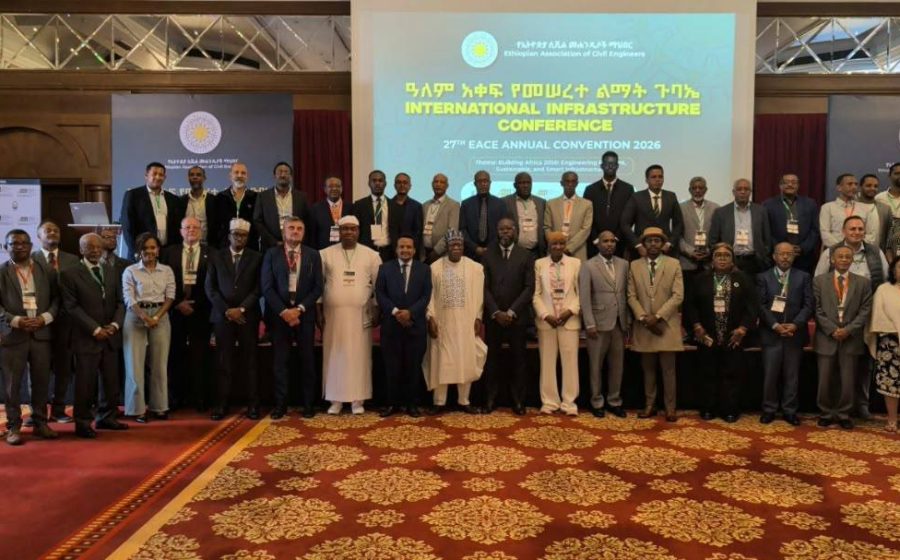
Nigeria’s Minister of Regional Development, Engr. Abubakar Momoh, has called for stronger engineering standards, sustained maintenance and closer cooperation among African countries as the continent plans infrastructure for its growing population.
Momoh made the call on Monday, September 28, 2026, at the Ethiopian Association of Civil Engineers’ 27th Convention and International Infrastructure Conference, held at the Sheraton Addis Hotel in Addis Ababa, Ethiopia.
Addressing the conference, themed “Building Africa 2050: Engineering Resilient, Sustainable, and Smart Infrastructure,” the minister said Africa must look beyond the number of projects it builds and examine how long those projects will remain useful, who can access them and whether they can withstand climate shocks.
“Africa’s infrastructure question is therefore not simply how much we can build. It is what we build, where we build it, how long it will remain useful, who can access it, how it will withstand climate shocks, and whether our economies can maintain it through its full life cycle,” he said.
Drawing on Nigeria’s experience, Momoh noted that infrastructure must be designed for different local conditions, from the wetlands and unstable soils of the Niger Delta to the arid areas of the north. He said flooding, erosion, drought and rising temperatures were already changing the assumptions on which roads, bridges, water systems and other public assets are designed.
The minister said the Federal Government, under President Bola Ahmed Tinubu’s Renewed Hope Agenda, was pursuing infrastructure development alongside energy security, economic reform and climate resilience. He cited Nigeria’s climate policy framework, the expansion of cleaner transport initiatives and efforts to improve the durability of major road corridors.
On regional development, Momoh said the ministry was working to align projects undertaken by development commissions with national priorities, improve project preparation and monitoring, and prevent duplication.
“Our task is to align regional projects with national policy, improve project preparation, avoid duplication, strengthen monitoring and ensure that infrastructure responds to the economic and environmental character of each region,” he said.
He urged governments and engineers to incorporate updated climate data into project designs and to provide funded maintenance plans for major assets. He also called for purposeful use of digital tools, stronger African production of engineering materials and equipment, and better links between the continent’s transport, power and communications networks.
Momoh said Nigeria was ready to deepen cooperation with Ethiopia and other African countries through joint research and exchanges involving universities, engineering associations and practitioners.
According to him, the success of Africa’s infrastructure drive by 2050 should be judged by its effect on daily life, including whether farmers can reach markets after heavy rain, growing cities can move people efficiently and reliable power can reach homes and factories.
The minister congratulated the Ethiopian Association of Civil Engineers for convening the conference and declared it open.







Comments
0 comments