

“A Gas Giant in the Dark”: Nnaji Exposes Shocking Power Sector Paradox
 Follow us on Google News
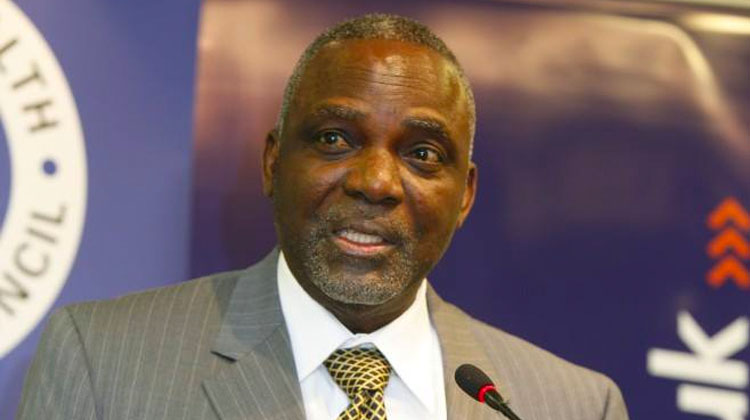
Despite possessing over 200 trillion cubic feet of confirmed natural gas reserves, Nigeria remains mired in persistent electricity shortages, a situation described as paradoxical by energy expert and former Minister of Power, Prof. Barth Nnaji.
Speaking at the recently concluded Orienta News Nigeria 2025 Conference in Lagos, Nnaji, who currently chairs Geometric Power, lamented that the nation’s inability to consistently supply gas to power plants defies logic, especially for a country so abundantly endowed with gas resources.
According to iReporter Online, Nnaji pointed out that while the regulatory gas price for electricity generation had been slightly reduced by the Nigerian Midstream and Downstream Petroleum Regulatory Authority—from $2.42 to $2.13 per million British thermal units effective April 1, 2025—power generation companies continue to pay far above the official rate on the open market, often exceeding $2.70/MMBtu.
This pricing disparity, he argued, has become a major pressure point for GenCos, further deepening the liquidity crisis in the sector. He attributed the ballooning electricity subsidy—over ₦1 trillion in the first half of 2025—and the growing federal debt owed to generation companies to these structural inefficiencies.
Nnaji emphasized that Nigeria’s failure to align gas supply benchmarks with market realities places an unsustainable burden on electricity producers. He called for more cost-reflective tariffs, arguing that the current pricing framework is inadequate to support operations and maintenance, especially since many inputs in the sector are priced in foreign currencies.
“The tariff must reflect actual industry costs,” he noted. “If operators can’t recover expenses due to underpriced energy charges, systemic breakdowns will persist.”
According to iReporter Online, Nnaji also criticized Nigeria’s underinvestment in gas production and transportation infrastructure. He called for increased private sector participation and urged the government to act more as a facilitator than a player in the sector.
He warned that initiatives such as the Compressed Natural Gas (CNG) transition may fail without sufficient gas production. Many gas-fired power plants, he said, continue to experience irregular operation due to fluctuating gas pressure and unreliable supply, which he described as unacceptable for a gas-rich country.
Nnaji stressed that adequate gas supply could be a game changer for Nigeria’s industrial development, enabling growth in downstream sectors like petrochemicals and creating a more resilient energy ecosystem.
He also underscored the importance of enforceable Power Purchase Agreements (PPAs) and called for urgent resolution of challenges such as pipeline vandalism and operational disruptions that hinder power offtake.
On Nigeria’s future energy mix, Nnaji maintained that gas will remain the mainstay for the next one to two decades, while hydro and solar would continue to play supporting roles. He noted that hydropower faces limitations due to seasonal variability and geopolitical constraints, especially reliance on northern communities and neighboring nations for water stability.






Comments
0 comments