

Cardoso Unveils Major Economic Rebound As Naira Gains Strength And Reserves Hit 7-Year High
 Follow us on Google News
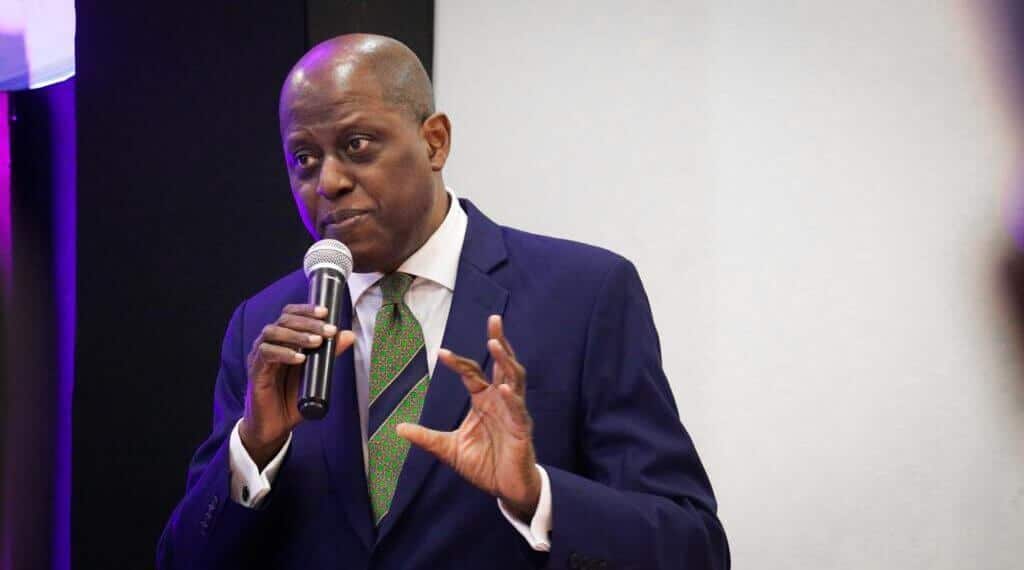
According to Ireporter Online, Nigeria’s economy is showing renewed signs of stability as Central Bank Governor Olayemi Cardoso announced that the country has entered a more assured phase after two years of major monetary reforms. Cardoso made the remarks in Lagos while addressing top banking executives during the 60th Annual Bankers Dinner of the Chartered Institute of Bankers of Nigeria, stressing that Nigeria has “turned a decisive corner” in its economic reform efforts.
He noted that a combination of easing inflation, a more stable foreign exchange environment, and revived investor confidence indicates an economy gradually regaining equilibrium. Cardoso attributed the progress to the Central Bank’s renewed commitment to orthodox monetary policies and stricter regulatory enforcement aimed at correcting longstanding structural distortions.
Inflation, which had surged to 34.6 per cent in November 2024, has fallen sharply to 16.05 per cent as of October 2025. Food inflation has similarly declined to 13.12 per cent after nearing 22 per cent earlier in the year. The CBN, he said, will continue fine-tuning policy tools to steer inflation closer to single-digit levels.
A significant portion of his address reviewed developments in the foreign exchange market. Cardoso confirmed that the multi-billion-dollar FX backlog inherited by the administration—estimated at over seven billion dollars—has been fully cleared, restoring trust among foreign airlines, manufacturers, and investors. The Governor linked the renewed calm in the FX market to reforms such as rate unification, the rollout of the Electronic Foreign Exchange Management System, and the Nigerian FX Market Conduct Code.
These measures, he said, have reduced opacity, curtailed arbitrage opportunities, and created a narrower trading band for the naira. The gap between official and parallel rates has now compressed to below 2 per cent, a dramatic improvement compared to the period when the spread exceeded 60 per cent. The steadier landscape has attracted stronger investor inflows, which reached 20.98 billion dollars within the first ten months of 2025—a 70 per cent increase compared to total inflows recorded in 2024.
Cardoso also highlighted that Nigeria’s external reserves have risen to 46.7 billion dollars, the highest in nearly seven years, providing more than ten months of import cover. He emphasized that the buildup reflects strengthened FX liquidity, non-oil export growth, and increased diaspora remittances rather than new borrowings.
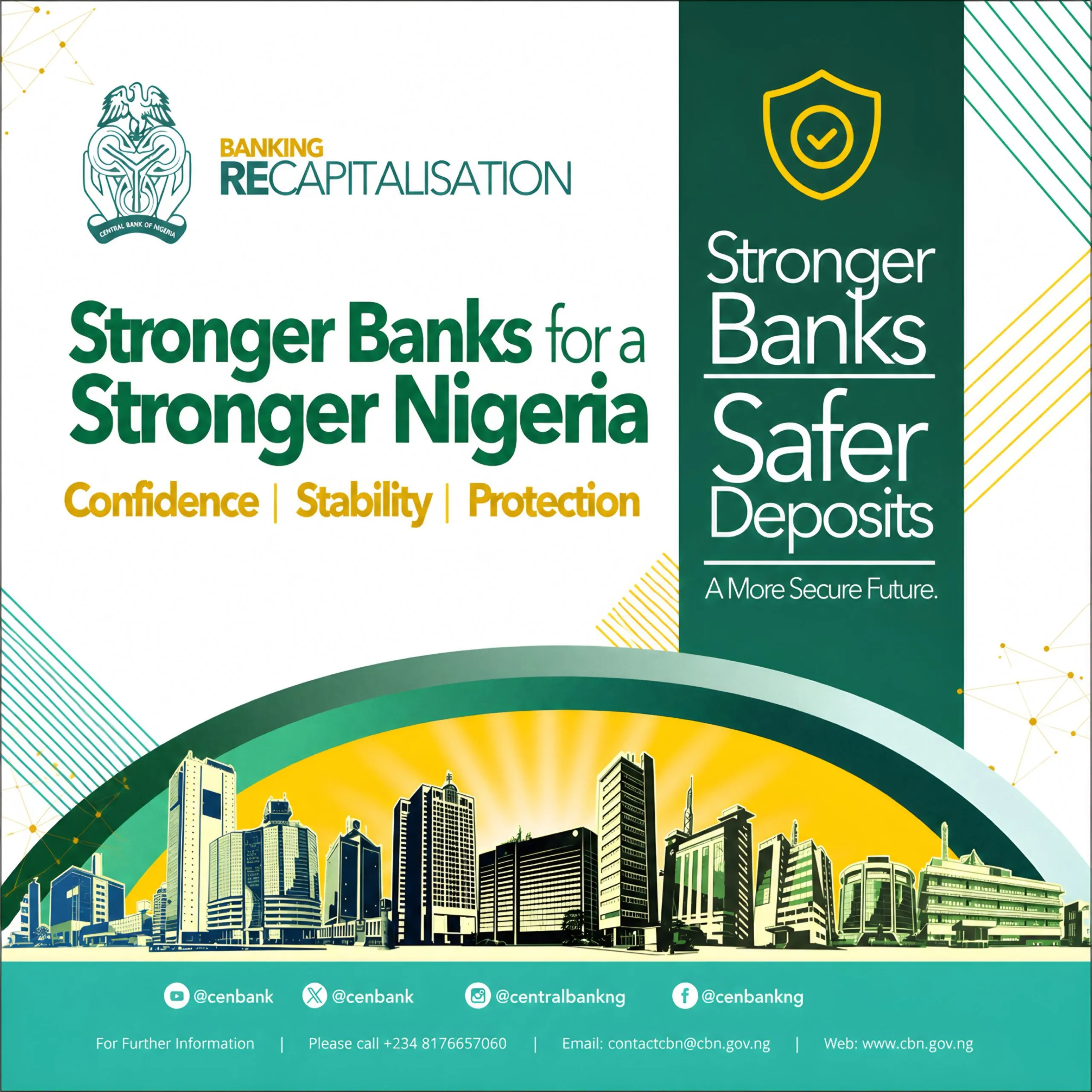
On the health of the financial sector, the Governor reported that the ongoing recapitalisation exercise is advancing steadily. Twenty-seven banks have already secured new capital, and sixteen institutions have met or exceeded the revised thresholds ahead of the March 31, 2026 deadline. Stress tests conducted this year, he added, affirm that the system remains broadly sound. The CBN has also intensified oversight of ATMs and POS operators, reviewed branch-closure guidelines, and completed a comprehensive assessment of the national cash distribution framework.
Cardoso described Nigeria’s removal from the Financial Action Task Force grey list as a major milestone, noting that countries on the list often experience significant declines in capital inflows. Nigeria’s exit, he said, reduces compliance burdens for correspondent banks and boosts global confidence in the country’s financial governance.
He also pointed to rapid advancements in digital payments and financial technology. Over 12 million contactless cards have been issued, more than 40 innovators are currently operating within the regulatory sandbox, and interoperability across switching platforms has improved. While reaffirming support for innovation, he stressed that consumer protection and financial stability remain priorities.
Cardoso noted that global rating agencies have begun to acknowledge the results of Nigeria’s reforms. Fitch recently upgraded the country’s rating from B- to B with a stable outlook, Moody’s moved Nigeria from Caa1 to B3, and S&P revised its outlook from stable to positive.
Looking ahead to 2026, the CBN Governor outlined strategic focus areas including strengthening bank resilience, refining the inflation-targeting framework, widening the digital payments ecosystem, deepening oversight of fintech companies, modernising internal CBN operations, and enhancing collaboration both domestically and internationally. He concluded on an optimistic note, stating that Nigeria is now better positioned to absorb external shocks, supported by a flexible exchange-rate system, rising non-oil exports, a growing services sector, and more robust reserves.







Comments
0 comments