

National Assembly Prepares To Debate 44 Constitution Review Bills
 Follow us on Google News
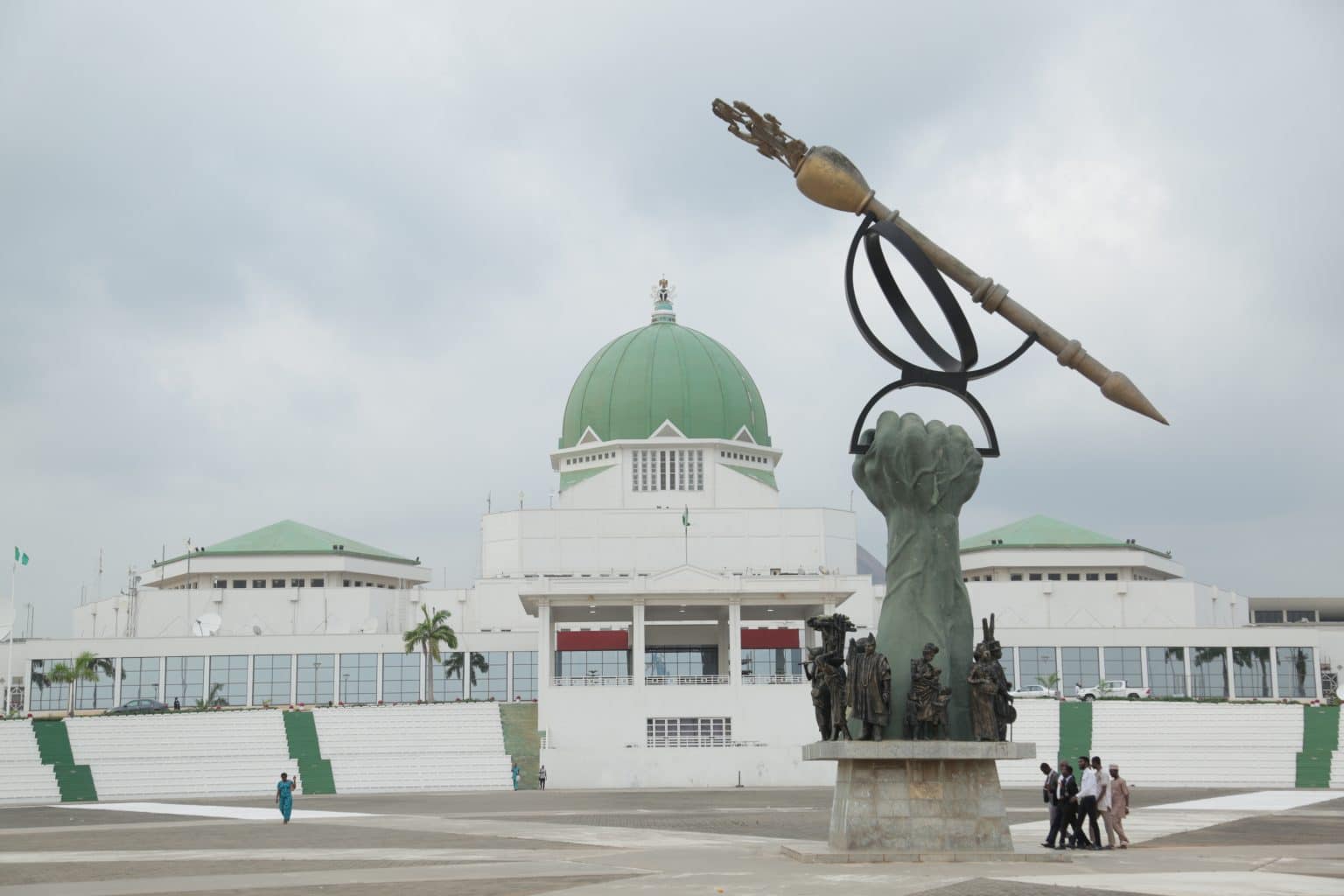
The National Assembly is set to commence debate and voting on 44 proposed amendments to the Constitution, encompassing wide-ranging reforms that touch on electoral processes, judicial restructuring, state policing, devolution of powers, and local government autonomy.
According to Ireporter Online, the proposed bills also address inclusive governance, fiscal federalism, citizenship and indigenisation, protection of fundamental human rights, and the strengthening of traditional institutions.
Calls for comprehensive restructuring of the country’s political and administrative system have intensified over the years, with advocates urging greater power devolution to states and local governments. The last amendment to the 1999 Constitution, the Fifth Amendment, was signed into law in March 2023, adopting 16 changes.
Since the start of the year, both chambers of the National Assembly have held public hearings and engaged stakeholders to gather input on the proposed reforms. Although voting was initially scheduled for October 14, it was postponed, and debate has not yet begun. Deputy Speaker Benjamin Kalu, who also chairs the Constitution Review Committee, assured that the process will conclude before the end of 2025.
The bills cover various areas, including proposals to strengthen local government autonomy, enhance fiscal oversight, and ensure fair representation. Other measures seek to extend citizenship rights to foreign men married to Nigerian women, create reserved legislative seats for women, establish independent state and community policing, and improve the independence and efficiency of the judiciary.
Several bills also propose renaming local government areas, transferring certain powers to the concurrent legislative list, institutionalising traditional councils, and enforcing stricter financial accountability across government agencies.
These constitutional review bills mark one of the most ambitious attempts to overhaul Nigeria’s governance framework in recent years, with potential implications for political, social, and economic structures across the country.






Comments
0 comments