


Osita Okechukwu Slams ADC as ‘True Vandals’ Behind Nigeria’s Economic Collapse
 Follow us on Google News
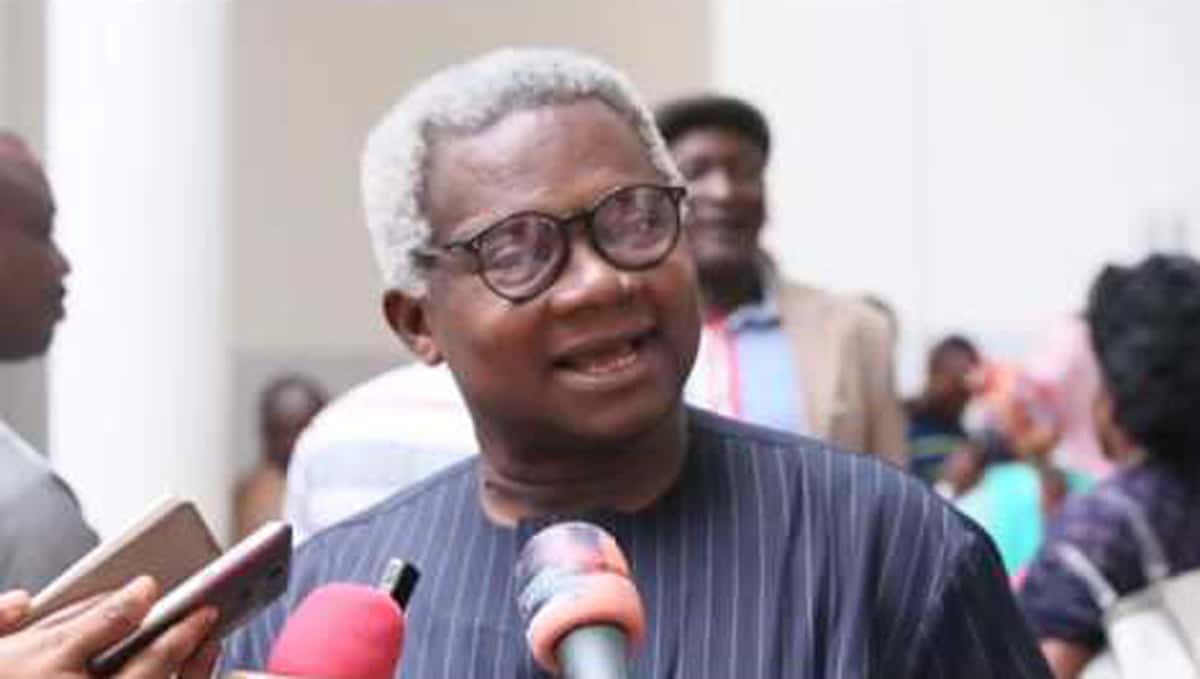
A senior member and founding figure of the All Progressives Congress (APC), Osita Okechukwu, has accused the leadership of the African Democratic Congress (ADC) of being responsible for undermining Nigeria’s economic future through questionable governance decisions and opaque privatization initiatives.
According to iReporter Online, Okechukwu made these statements in response to criticisms from the ADC, which recently accused President Bola Tinubu’s administration of fiscal recklessness over the National Assembly’s approval of $21 billion in foreign loans. The ADC warned that this move could escalate the nation’s debt profile to over ₦200 trillion before the year’s end, without tangible improvements in infrastructure or economic performance.
In a briefing with journalists in Enugu, Okechukwu countered by stating that the ADC lacks the moral standing to criticize the current administration. He pointed to the party’s role in past privatization exercises that he claims led to the deterioration of Nigeria’s electricity sector and hindered national development. He specifically called for the release of the House of Representatives’ investigative report—popularly referred to as the Ndudi Elumelu 2009 Report—on the alleged mismanagement of $16 billion in the power sector.
Describing the ADC as “true vandals,” Okechukwu alleged that the party sold off critical national assets such as NEPA, PHCN, and the Mambilla project under suspicious conditions that have continued to burden the economy. He further criticized the ADC for what he described as undermining the internal unity of the People’s Democratic Party (PDP) during the 2023 elections, only to seek refuge within the ADC after causing discord.
Regarding the issue of national debt, Okechukwu emphasized that borrowing should be directed solely toward productive infrastructure projects that stimulate economic growth. He advised President Tinubu to avoid incurring loans for recurrent expenditures and instead focus on implementing structural reforms such as the Oronsaye Report to reduce government overhead.
He expressed support for targeted borrowing aimed at critical projects, including a proposed $50 billion overhaul of the electricity value chain, which he described as fundamental to Nigeria’s economic revitalization. He also recommended a shift in focus from narrow-gauge railway rehabilitation to higher-value investments in standard gauge railways and a deep-sea port in the Niger Delta to catalyze industrial growth and regional development.







Comments
0 comments