

You Can’t Rename Fire! — Charly Boy Reacts to Lagos Council’s Shock Bus Stop Switch
 Follow us on Google News
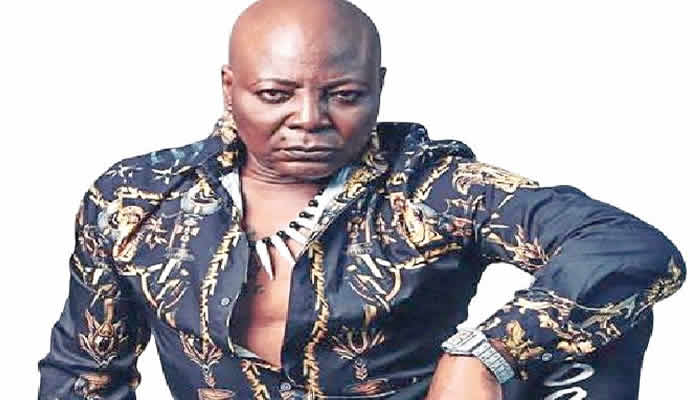
Prominent activist and entertainer, Charles Oputa—better known as Charly Boy—has condemned the decision by the Bariga Local Council Development Area in Lagos State to rename the well-known Charly Boy Bus Stop after award-winning musician Olamide Adedeji, popularly called Olamide Badoo.
According to iReporter Online, the renaming was announced by outgoing council chairman, Kolade David, who said the action was part of a broader effort to honor individuals who have positively projected Bariga and Nigeria on the global stage through their talent and contributions.
David explained that the renaming included Ajidagan Street, which will now bear Olamide’s full name. Consequently, the adjoining bus stop formerly named after Charly Boy will now be called “Badoo Bus Stop.”
In a response shared via his verified X (formerly Twitter) account, Oputa described the move as an orchestrated attempt to erase a legacy built on decades of resistance, activism, and advocacy for the oppressed. He accused the local authority of acting out of fear and political timidity.
“You can rename a place, but you can’t rename a legacy,” Charly Boy wrote. “This is not just about a bus stop; it’s about fear—fear of a man who challenged the system and refused to conform.”
He emphasized that the landmark earned its name not through political patronage, but organically from the community that embraced and celebrated his work. According to him, such state-backed symbolic gestures can never silence the voice of rebellion nor undo the work that resonated with the masses.
He added, “They can change the signboard but not the spirit. You cannot erase fire. Area Fada no dey finish.”
Oputa, son of the late Supreme Court Justice Chukwudifu Oputa, also underscored that his influence stemmed from the people, not the political class. “Legacy isn’t on a signpost. It lives in the hearts of those who dared to question authority because of me,” he said.
Also weighing in on the issue, human rights advocate Omoyele Sowore denounced the renaming, calling it “vindictive and deeply political.” Sowore, in a statement obtained by iReporter Online, alleged that the act reflected an attempt to whitewash Nigeria’s activist history and muzzle long-standing critics of state power.
“This cynical move aims to discredit a landmark tied to decades of cultural resistance and people-driven advocacy,” Sowore said.
Meanwhile, Lagos State Commissioner for Information, Gbenga Omotosho, clarified that the state government had no involvement in the decision. Omotosho said local councils are legally empowered to name or rename streets under their jurisdiction.
“Street naming is entirely the responsibility of the local government under Nigerian law,” he explained.
Despite the official change, Charly Boy maintained that the move would not dent his legacy. He reiterated that what matters most is the impact made in the lives of people and the societal consciousness he helped awaken.





Comments
0 comments