


health
Understanding The Marvel Of Bone Formation: Exploring Growth and Development Throughout A Lifetime

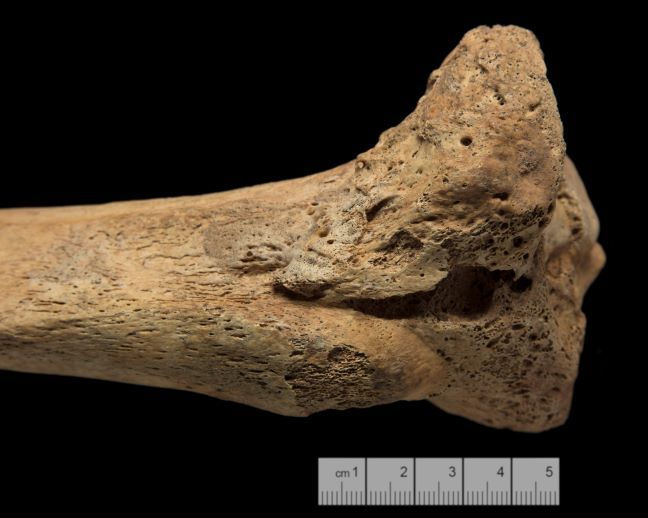
Understanding The Marvel Of Bone Formation: Exploring Growth and Development Throughout A Lifetime
Bones, the sturdy framework of the human body, undergo a fascinating journey of formation and growth over the course of a lifetime. From infancy to adulthood, the process of bone development is intricate and essential for maintaining skeletal integrity and overall health….READ MORE BREAKING: Coup Leaders Arrest Gabon President’s Son, Gives Reason
During fetal development, bones begin as cartilage models that gradually ossify, or harden, through a process called ossification. This process primarily occurs in two ways: intramembranous ossification and endochondral ossification.
Intramembranous ossification involves the direct mineralization of mesenchymal cells into bone tissue. This process is responsible for forming flat bones, such as the skull and clavicles, which develop from specialized membranes.
On the other hand, endochondral ossification occurs within cartilage templates. Cartilage models serve as scaffolds for bone formation, with bone gradually replacing cartilage tissue over time. This process is responsible for the development of long bones, such as those in the limbs, as well as other bones throughout the body.
As an individual progresses through childhood and adolescence, bone growth continues through a process known as modeling. During modeling, bones adapt and reshape in response to mechanical forces and stresses placed upon them. This dynamic process allows bones to grow in length and width, accommodating the body’s changing needs and activities.
Throughout adolescence, the growth plates, also known as epiphyseal plates, play a crucial role in bone elongation. Located near the ends of long bones, these cartilaginous structures enable longitudinal growth by producing new cartilage cells that eventually ossify into bone tissue. The closure of growth plates marks the end of longitudinal bone growth, typically occurring during late adolescence or early adulthood.
While most bone growth ceases after the closure of growth plates, bones continue to undergo remodeling throughout adulthood. Remodeling involves the continual renewal and reshaping of bone tissue in response to mechanical stresses, hormonal signals, and metabolic demands. Osteoblasts, cells responsible for bone formation, work alongside osteoclasts, cells involved in bone resorption, to maintain skeletal integrity and calcium homeostasis.
Various factors influence bone health and development throughout life, including nutrition, physical activity, hormonal balance, and genetic predisposition. Adequate intake of essential nutrients, such as calcium, vitamin D, and protein, is crucial for supporting bone growth and maintenance. Regular weight-bearing exercise and resistance training also promote bone health by stimulating bone formation and density.
Understanding the intricate process of bone formation and growth provides valuable insights into optimizing skeletal health and preventing bone-related disorders across the lifespan. By prioritizing factors that support bone health, individuals can strive to maintain strong and resilient bones throughout their lives, ensuring mobility, stability, and overall well-being.

-

 Latest News2 days ago
BREAKING: Tinubu Appoints New NIPC, NEPZA Board Chairpersons
-

 Politics4 days ago
Seyi Makinde Makes Big 2027 Move, Names Running Mate
-

 Latest News7 days ago
Zulum Speaks On Gubio’s Running Mate Choice
-

 Latest News1 week ago
New Appointment Announced For Former VP Osinbajo
-

 Latest News1 week ago
Tinubu Unveils Fresh Appointments For Gbajabiamila, AGF, Others
-

 Politics1 week ago
Key Details Emerge From Meeting Of 18 APC First-Term Governors
-

 Latest News5 days ago
BREAKING: 8 Kidnappers Arrested, Others Eliminated As Oyo Pupils, Teachers Rescued
-

 Entertainment3 days ago
We Tried” — Diamond Platnumz’s Wife Announces End Of Marriage
-

 Politics1 week ago
2027: APC Set To Upload Tinubu, Running Mate This Week
-

 Politics5 days ago
BREAKING: APC Unveils Tinubu’s 2027 Running Mate
-

 Latest News1 week ago
Female Journalist Reportedly Taken Into DSS Custody
-

 Latest News2 weeks ago
Ganduje Speaks Out On Rumours Of Dumping APC For NDC