

Local news
Senators Stand Together for Local Government Autonomy but Split on State Police


Nigerian senators have come together to advocate for local government autonomy while showcasing divisions over the contentious issue of state police. This latest development reflects the ongoing debate within the country about the balance of power between federal and state governments.
Local government autonomy has been a long-standing demand in Nigeria, with many arguing that granting more independence to local councils could enhance governance and service delivery. Senators from various political parties have united in this effort, recognizing that empowering local governments could lead to more efficient administration and a better understanding of local needs.
The push for local government autonomy aims to allow local councils to manage their finances, implement development projects, and make decisions that directly affect their communities. Proponents argue that this independence will help to reduce the over-dependence on state and federal allocations, which often leads to delays in implementing vital services. By granting autonomy, local governments would be better positioned to respond to the unique challenges faced by their constituents.
However, the issue of state police remains a contentious topic, revealing a stark divide among lawmakers. Supporters of state police argue that it would allow for more effective law enforcement tailored to local needs, addressing issues like insecurity and crime that vary across regions. They believe that state police forces would enhance the ability of state governments to tackle specific challenges, ensuring that law enforcement is more responsive to local conditions.
On the other hand, opponents of state police express concerns about potential misuse of power and the risk of politicization. They fear that allowing states to establish their own police forces could lead to abuse, especially in areas where political tensions are high. Critics argue that local police forces could be used to suppress dissent and infringe on the rights of citizens, raising alarm about the implications for democracy and human rights in Nigeria.
The discussions around state police and local government autonomy have sparked a wider conversation about the federal structure of Nigeria. Many believe that a careful balance must be struck to ensure that both local and national interests are adequately represented. The ongoing debate underscores the need for comprehensive reforms that address the diverse needs of Nigeria’s population while preserving democratic principles.
As senators continue to deliberate on these issues, public opinion plays a critical role in shaping the outcome. Citizens across the country are increasingly vocal about their expectations for better governance and security. Many are calling for reforms that prioritize accountability and transparency in both local and state administrations.
The divide over state police also highlights the regional differences in Nigeria’s political landscape. While some states may feel empowered by the prospect of establishing their own police forces, others remain wary of the implications for unity and stability. This complexity adds another layer to the ongoing constitutional review process, as lawmakers grapple with how best to address the diverse needs of Nigeria’s various regions.
The call for local government autonomy and the discussions surrounding state police represent a crucial moment in Nigeria’s political evolution. As the country navigates these challenging waters, the commitment of senators to uphold democratic values and prioritize the needs of their constituents will be key. The outcome of these discussions could significantly impact the future of governance in Nigeria, shaping the relationship between the federal and state governments for years to come.
while the push for local government autonomy sees a unified front among senators, the debate over state police reveals a complex landscape of opinions and concerns. As the constitutional review progresses, it remains to be seen how these critical issues will be resolved, and what the implications will be for Nigeria’s democratic governance. The engagement of citizens and their representatives will be vital in ensuring that the reforms reflect the collective aspirations of the Nigerian people.


-
 Latest News1 day ago
BREAKING: Tinubu Appoints New NIPC, NEPZA Board Chairpersons
-

 Politics3 days ago
Seyi Makinde Makes Big 2027 Move, Names Running Mate
-
 Latest News6 days ago
Zulum Speaks On Gubio’s Running Mate Choice
-
 Latest News7 days ago
New Appointment Announced For Former VP Osinbajo
-
 Latest News2 weeks ago
Uzodimma, Fintiri, Abdurazaq, Other Governors Appear On APC NASS List
-
 Latest News1 week ago
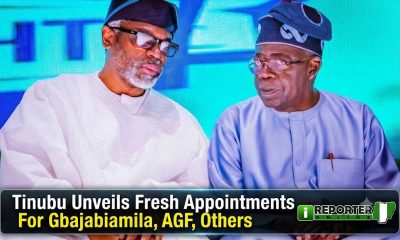
Tinubu Unveils Fresh Appointments For Gbajabiamila, AGF, Others
-

 Politics1 week ago
Key Details Emerge From Meeting Of 18 APC First-Term Governors
-

 Latest News5 days ago
BREAKING: 8 Kidnappers Arrested, Others Eliminated As Oyo Pupils, Teachers Rescued
-

 Politics1 week ago
2027: APC Set To Upload Tinubu, Running Mate This Week
-

 Politics5 days ago
BREAKING: APC Unveils Tinubu’s 2027 Running Mate
-

 Entertainment2 days ago
We Tried” — Diamond Platnumz’s Wife Announces End Of Marriage
-

 Latest News7 days ago
Female Journalist Reportedly Taken Into DSS Custody