

Latest News
Nigeria Advances To 5th Position in Africa’s Solar Installation Rankings

Nigeria Advances To 5th Position in Africa’s Solar Installation Rankings
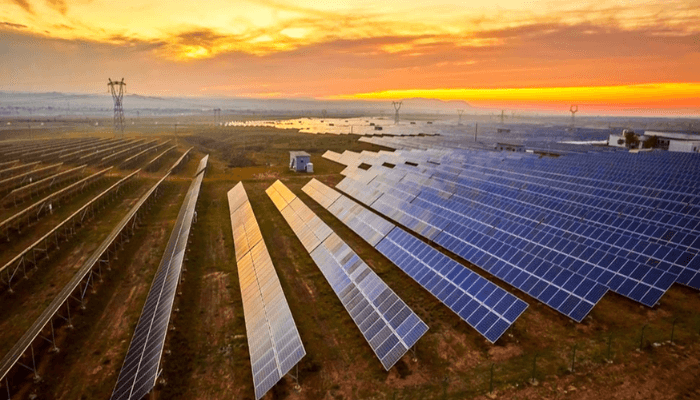
In 2024, Nigeria emerged as Africa’s fifth-largest installer of solar power, with a total installed capacity of 73 megawatts (MW), according to a new industry report from the Global Solar Council. This growth is attributed to the federal government’s removal of petrol subsidies in May 2023, which led to increased fuel prices, making solar energy a more attractive alternative for businesses and households in Nigeria……………….READ MORE
Although Nigeria’s traditionally low utility-scale solar development has been a challenge, recent developments show a shift. Notable projects include a 5.6 GW solar power plant in Kebbi state, along with planned additions of 600 MW from solar parks in Lafia and Gombe by 2028. The adoption of solar energy has been encouraged by frequent electricity blackouts, which have driven both residential and commercial installations, following similar patterns observed in other African countries.
Off-grid solar solutions, particularly solar home systems, have become more popular, with Nigeria leading the trend in sub-Saharan Africa. Between 2020 and 2022, off-grid solar accounted for 55% of new electricity connections in the region.
Despite these advancements, Nigeria’s solar potential remains largely untapped. The country could generate up to 210 GW from solar if just 1% of its suitable land were used for solar projects. The government has set ambitious renewable energy targets through the Nigeria Green Vision (30:30:30) initiative, aiming for 5 GW of solar by 2030 and 25 GW by 2050.
The report also highlighted that Nigeria’s regulatory framework, such as the National Renewable Energy and Energy Efficiency Policy (NREEEP), enacted in 2015, has been crucial in driving solar growth. Key incentives like import duty exemptions and tax credits have further supported the sector’s expansion.
In summary, while Nigeria has made significant strides in solar energy adoption, challenges remain, particularly in utility-scale solar development due to weak grid infrastructure. However, ongoing projects and the growing adoption of off-grid solar systems suggest that Nigeria’s solar energy sector is on a strong upward trajectory.

-
 Latest News7 days ago
Breaking Political Barriers: Okpebholo Names Enugu-born Igbo Leader to Edo Cabinet
-

 Latest News2 weeks ago
Breaking: Okpebholo Backs Words With Action As Edo Moves To Establish Special Court For Cultism And Kidnapping Cases, Writes Chief Judge
-

 Politics1 week ago
Tinubu Makes New Ambassadorial Appointments, Seeks Senate Confirmation
-

 Latest News3 days ago
APC Submits National Assembly Candidates’ Names To INEC Portal
-

 Latest News1 week ago
Ojirami Shines at Night: Akoko-Edo Residents Hail Engr. Abubakar Momoh Over NDDC Solar Street Light Project
-

 Latest News2 weeks ago
Bandits’ Captivity Death: Widow Rejects Illness Claims, Reveals What K!lled General Rabe
-

 Sports6 days ago
Full List: Every Team Eliminated From The 2026 World Cup So Far
-

 Latest News4 days ago
APC Dismisses Viral List Of Primary Election Winners
-

 Latest News2 days ago
Uzodimma, Fintiri, Abdurazaq, Other Governors Appear On APC NASS List
-

 Politics2 weeks ago
VIDEO: Shettima, Atiku, Masari, Governors Storm Special Prayer For Tinubu’s Late Mother
-

 Latest News6 days ago
Shake-Up In Nigerian Army As COAS Redeploys Top Officers — Full List Emerges
-

 Politics5 days ago
Rochas: “I Feel Sorry For Those Peter Obi Misled Into Wasting Money On NDC