

Tinubu Government Approves ₦7bn For Aso Rock Villa Solar Power Project
 Follow us on Google News
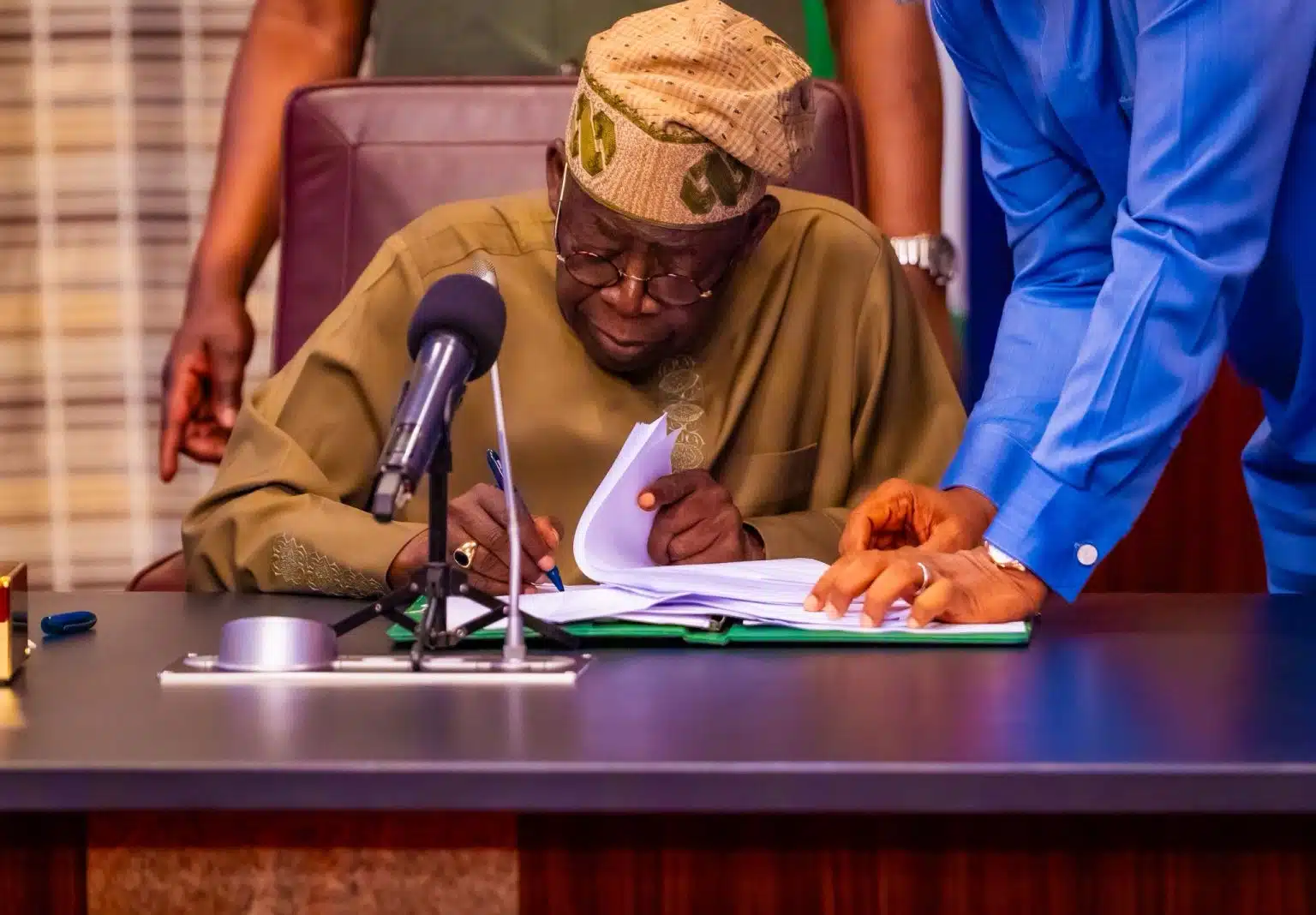
The Bola Tinubu administration has earmarked an additional ₦7 billion in the 2026 fiscal year for the solarisation of the Presidential Villa, Abuja, continuing its investment in renewable energy at the seat of power.
According to Ireporter Online, the allocation is contained in the State House expenditure component of the 2026 budget and is designated for the installation of a solar-powered mini-grid within Aso Rock Villa, which serves as the residence and official workplace of the President and other top government officials.
Budget documents released by the Budget Office of the Federation list the sum under the item described as “provision of solarisation of Villa with solar mini-grid,” signaling a renewed commitment to alternative energy solutions for the Presidency.
The latest allocation follows a similar move in 2025, when ₦10 billion was approved for the same purpose, underscoring the administration’s continued focus on reducing dependence on the national power grid for critical government infrastructure.
The decision has, however, drawn renewed public scrutiny, particularly against the backdrop of persistent electricity challenges affecting millions of Nigerians. Frequent power outages and repeated national grid collapses have continued to fuel concerns over the stability of the country’s electricity supply, prompting questions about the prioritisation of resources.
Public criticism intensified after the earlier ₦10 billion allocation, with many Nigerians expressing concern over the timing of the expenditure amid economic pressures and widespread energy shortages. Some critics argued that the project highlighted a disconnect between the energy needs of the Presidential Villa and those of ordinary citizens struggling with unreliable power.
In response to the backlash, the Presidency defended the initiative, describing it as a strategic, long-term investment in sustainability and energy efficiency. Presidential spokesperson Bayo Onanuga previously stated that the move aligns with global best practices, noting that major government facilities in other countries, including the White House in the United States, utilise solar energy as part of their power systems.
The renewed allocation comes as Nigeria continues to grapple with severe power supply disruptions. In April 2025, a major collapse of the national grid plunged large parts of the country into darkness after electricity generation dropped sharply within a short period. Similar grid failures were recorded later in the year, including another collapse in September that affected major cities such as Lagos.
Despite periodic efforts to boost power generation, including a brief surge that raised output to about 6,000 megawatts in early 2025, the gains have proven difficult to sustain, with output repeatedly falling to critically low levels shortly afterward.
As debates over the solarisation of Aso Rock continue, many Nigerians are calling for comprehensive reforms to address the broader challenges facing the nation’s power sector and ensure reliable electricity for homes, businesses, and essential services across the country.







Comments
0 comments