

Latest News
7 Longest Serving Presidents In Africa

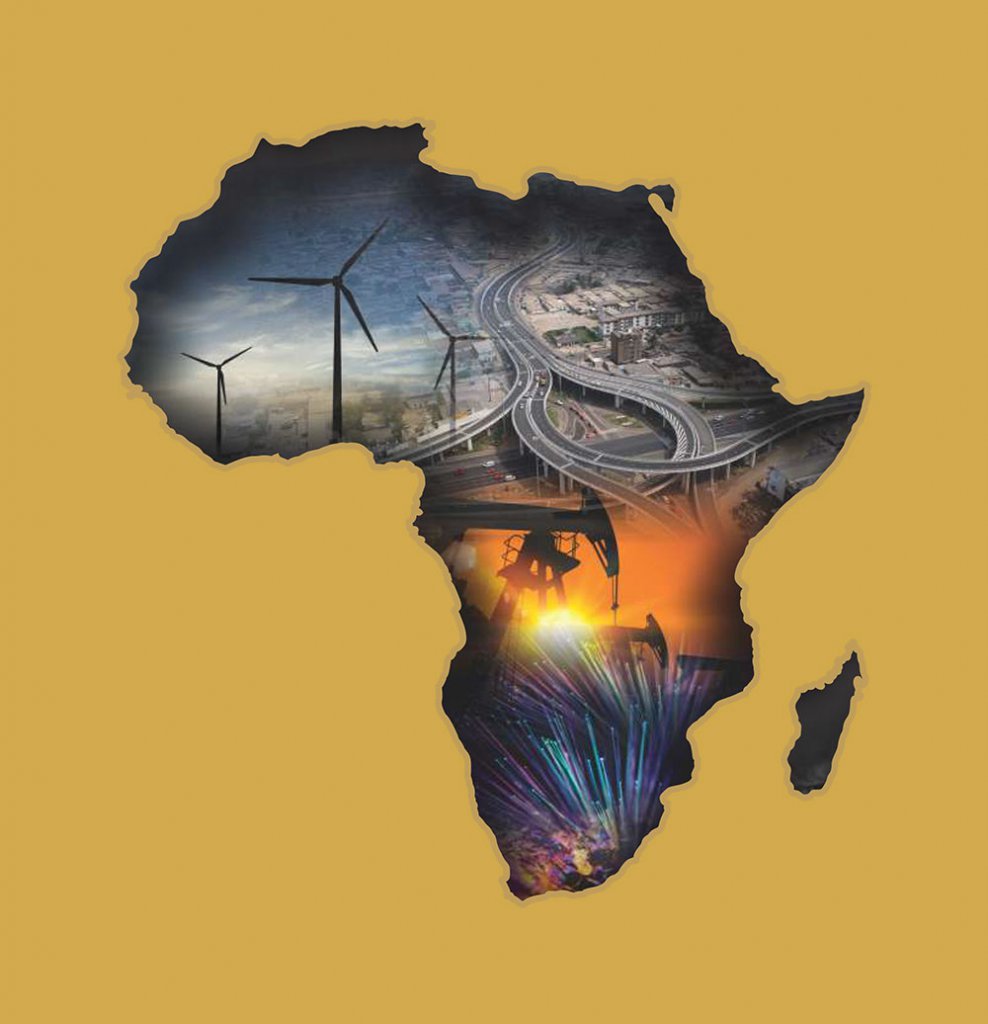
7 Longest Serving Presidents In Africa
Another coup has unfolded in Africa, this time in Gabon, where a group of army officers have declared an end to the combined 56-year rule of both Omar Bongo and his son, Ali, in the Central African nation.
According to the coup plotters, they are voiding the outcomes of Saturday’s election, in which President Ali Bongo secured an extension to his 14-year tenure.
Read Also BREAKING: Coup Leaders Name Transitional President In Gabon (PHOTO)
If successful, this would mark the tenth coup d’état on the continent, with the most recent occurring in Niger Republic.
One of the reasons frequently cited by analysts for the increasing frequency of coups on the continent is the prolonged stay of some African leaders in power. Notably, there are seven African Presidents who have maintained their positions for over two decades.
This article examines these long-serving presidents on the continent:
- Teodoro Obiang Nguema Mbasogo (44 years) Teodoro Obiang Nguema Mbasogo of Equatorial Guinea has held power since 1979, making him the longest-serving African president. Initially known for his brutal dictatorship, President Obiang oversaw a government responsible for the torture and killings of political adversaries. In recent years, he has faced criticism from human rights organizations for continued repression of the Equatorial Guinean population.
- Paul Biya (42 years) Cameroon’s Paul Biya shows no signs of relinquishing power soon. Assuming office through a coup d’état in 1982, President Biya has maintained his rule since then. Initially known for his repressive leadership style, he eased his grip on the country in the 1990s, allowing multiparty elections. Nevertheless, he remains in power to this day. President Biya has been confronted with human rights concerns due to his ongoing repression of Cameroon’s citizens.
- Denis Sassou (36 years) Denis Sassou has governed the Republic of the Congo for 36 years. First coming to power in 1979, he has been re-elected three times. Currently, Sassou is among Africa’s oldest heads of state, at 80. His lengthy tenure has drawn criticism and accusations of corruption, poor governance, and human rights violations. Despite this, he remains undeterred.
- King Mswati III (36-year rule) Eswatini, Africa’s last absolute monarchy, has been under the rule of King Mswati III for 36 years. Ascending the throne in April 1986 at the age of 18, he has maintained his position as monarch.
- Yoweri Museveni (35 years) Yoweri Museveni has governed Uganda for 35 years. Assuming power in 1986, he has secured re-election on three occasions. At 79, Museveni is the third oldest African head of state. However, critics argue that he has become increasingly authoritarian over the years, stifling dissent and curtailing civil liberties. In recent years, calls for term limits have emerged in Uganda, but Museveni has resisted, even amending the constitution in 2017 to remove the age limit for the presidency.
- Isaias Afwerki (30 years) Isaias Afwerki has held the presidency of Eritrea for 30 years. Emerging to power in 1993 after leading the country’s independence movement from Ethiopia, he has secured re-election twice. Eritrea stands out as one of the world’s most militarized nations, with mandatory military service for all able-bodied citizens leading to a significant exodus of Eritreans in search of safety and opportunities abroad.
- Paul Kagame (23 years) Paul Kagame, the leader of Rwanda, is gearing up for the 2024 re-election. Assuming power in 2000, he has overseen Rwanda’s progress. However, his rule has faced criticism for suppressing opposition. The constitution was revised in 2015, enabling him to remain in power until 2034. During the previous presidential election six years ago, official figures indicated that Kagame secured a staggering 99% of the vote, a statistic widely deemed implausible by international observers. When asked about the possibility of seeking re-election, Kagame responded, “I am open to the idea of running for another two decades. This doesn’t pose a concern for me. Elections serve as a platform for citizens to make their choices.”
Credit: The Punch

-

 Latest News1 day ago
Tinubu Picks Gbajabiamila, Soludo, Zulum, Others For Canada Investment Mission
-
 Latest News6 days ago
BREAKING: Tinubu Makes Fresh Appointment
-

 Latest News2 weeks ago
Full List: 10 AIGs Moved As IGP Disu Reshuffles Police Top Brass
-
 Latest News6 days ago
Presidency Fires Back At Catholic Bishops
-
 Gist2 weeks ago
Davido Fires Back At MC Oluomo Over Osun NURTW Crisis
-
 Latest News6 days ago
Wike Breaks Silence On ₦750m Campaign Billboard Fee
-
 Latest News5 days ago
Tinubu Govt Rolls Out Fresh Rules For Ministers, Top Officials
-
 Latest News2 weeks ago
2027 Elections: APC Uploads 27 Governorship Candidates To INEC Portal
-
 Latest News1 week ago
PHILLIPS CONSULTING INDEX: WHY THE FINDINGS REFLECT EDO’S INHERITED FISCAL BURDEN—NOT OKPEBHOLO’S RECORD
-
 Latest News1 day ago
Tinubu Approves Fresh Civil Service Recruitment Exercise
-

 Latest News1 week ago
‘Football Is Not For Sale’ – FIFA Fires Back Amid World Cup Investment Backlash
-

 Latest News6 days ago
Fuel Price Drops As MRS, Others Slash Petrol Pump Price