

Canada Warns Visa Applicants: Fake Documents Could Lead To 5-Year Ban
 Follow us on Google News
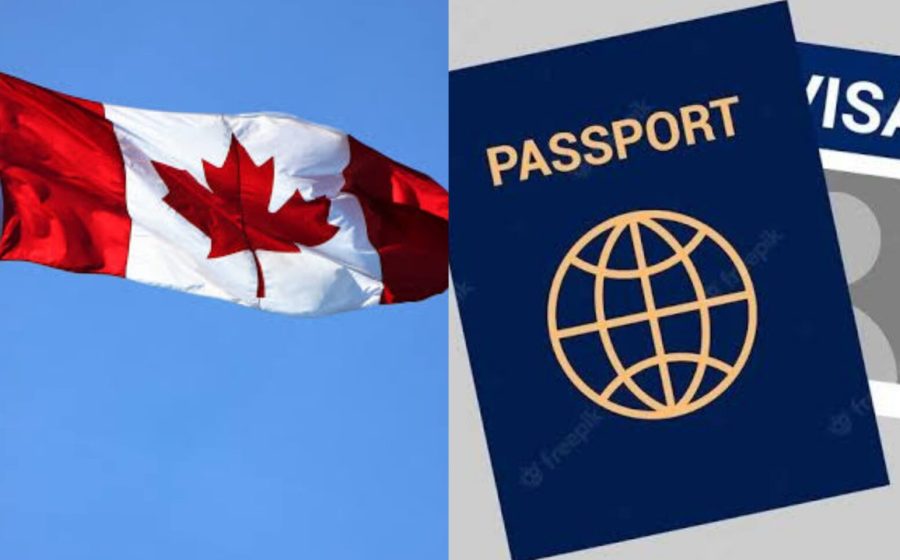
Canadian immigration authorities have warned foreign nationals seeking to enter the country against submitting forged, altered or misleading documents, cautioning that offenders could face visa rejection and an entry ban of at least five years.
The warning was issued by Immigration, Refugees and Citizenship Canada (IRCC) in a statement shared on its official X account on Thursday, November 19, 2026.
According to the agency, immigration fraud involves the falsification or manipulation of documents submitted during visa and immigration applications. Such documents include passports, marriage certificates, academic qualifications, employment records, language proficiency test results and other travel documents.
The IRCC also warned that individuals who provide false or misleading information during the immigration process could face criminal prosecution in their home countries, depending on the nature and seriousness of the offence.
The agency explained that immigration fraud goes beyond altering official certificates, noting that applicants could also violate immigration rules by concealing or providing inaccurate information about their medical conditions during examinations conducted by approved panel physicians.
Other documents that could attract fraud penalties include visas, entry and exit stamps, job offers, employment verification letters, university admission letters, tuition payment receipts, academic transcripts, degrees, diplomas and trade certificates.
The list also covers relationship-related documents such as birth, adoption, marriage, divorce, annulment, separation, death and custodianship certificates, as well as police clearance certificates, court records and DNA test results.
The Canadian immigration authority further cautioned applicants against providing inaccurate details about the period they or another individual have physically spent in Canada when applying for permanent residency renewal or citizenship.
It clarified that its objective was not to punish people who have fallen victim to immigration scams but to identify and hold those responsible for fraudulent activities accountable.
On the consequences of immigration fraud, the IRCC said offenders could have their visa or immigration applications rejected and face a minimum five-year ban from entering Canada. Those found guilty could also have a permanent fraud record created with the immigration authority.
Other possible sanctions include the withdrawal of temporary or permanent resident status, revocation of Canadian citizenship, a five-year restriction on applying for citizenship and removal from the country.
The agency also raised concerns about marriages and relationships entered into primarily to obtain immigration benefits.
It warned that Canadian citizens and permanent residents who participate in fraudulent marriages or relationships of convenience to help foreign nationals secure immigration status could face criminal charges.
A relationship of convenience refers to a marriage, common-law partnership or conjugal relationship established mainly to obtain immigration benefits rather than being based on a genuine relationship.
According to the IRCC, immigration officers receive specialised training to detect such arrangements through several verification procedures.
These measures include reviewing submitted documents, visiting applicants’ residences and interviewing both sponsors and foreign nationals seeking immigration benefits.
The agency explained that these checks are designed to help officers distinguish genuine relationships from arrangements created to circumvent Canada’s immigration requirements.
In a separate warning, the IRCC cautioned applicants against reversing credit card payments after fees for immigration applications have been processed.
It explained that payment reversals could lead to application delays or cancellations, visa refusals and travel restrictions of up to 10 years. Such incidents could also negatively affect subsequent applications submitted by the individuals involved.
The agency consequently advised prospective immigrants to ensure that all information and supporting documents submitted during the application process are genuine, accurate and verifiable to avoid penalties that could affect their chances of travelling to or living in Canada.







Comments
0 comments