

Politics
Chief Peter Ameh Explains Why Igbo People Steered Clear of Nationwide Protest


Nationwide protests in Nigeria on August 1 highlighted a significant regional disparity, with the South-Eastern states, particularly those populated by the Igbo, notably absent from the demonstrations. This lack of involvement has ignited discussions about the reasons behind it and its broader implications for the country.
While protests erupted across the nation, driven by public frustration over bad governance, escalating hunger, and worsening economic conditions, the South-East remained notably silent. This absence has led many to question whether the region is somehow shielded from the national economic challenges.
Chief Peter Ameh, former Presidential candidate and national secretary of the Coalition of United Political Parties (CUPP), provides a critical perspective on this issue. According to Chief Ameh, the lack of Igbo participation can be traced to a deep-seated sense of injustice and political apathy stemming from long-standing issues of equity and fairness.
Chief Ameh contends that the Igbo’s avoidance of the protests is largely due to the consistent scapegoating of their ethnic group. He points to their marginalization in strategic economic and administrative roles under APC administrations and the pervasive tribal exclusion and political bigotry as significant factors behind their decision to abstain.
According to Chief Ameh, the Igbo have historically been unfairly targeted during periods of unrest in Nigeria. This pattern of being at the receiving end of governmental or public backlash has influenced their choice to stay away from the recent protests.
He defends the Igbo’s decision, emphasizing that their treatment under successive APC governments has fostered a sense of exclusion. Chief Ameh asserts that, despite this, the Igbo remain a crucial part of Nigeria’s fabric and economy.
“The sooner they are fully integrated and given a genuine sense of belonging in the nation’s affairs, the better and more prosperous Nigeria will become,” Chief Ameh concluded.
This perspective sheds light on the complexities behind regional participation in national movements and underscores the need for inclusive governance to address these underlying grievances.


-
 Latest News1 day ago
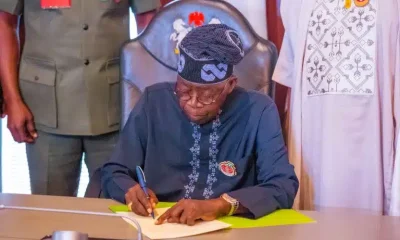
BREAKING: Tinubu Appoints New NIPC, NEPZA Board Chairpersons
-

 Politics3 days ago
Seyi Makinde Makes Big 2027 Move, Names Running Mate
-
 Latest News6 days ago
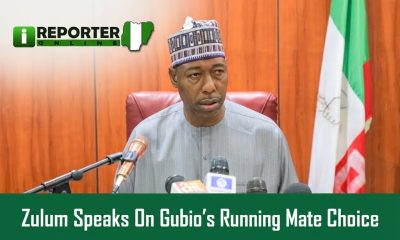
Zulum Speaks On Gubio’s Running Mate Choice
-
 Latest News7 days ago
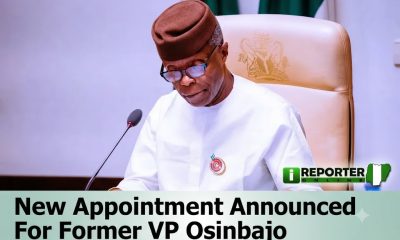
New Appointment Announced For Former VP Osinbajo
-
 Latest News1 week ago
Tinubu Unveils Fresh Appointments For Gbajabiamila, AGF, Others
-
 Politics1 week ago
Key Details Emerge From Meeting Of 18 APC First-Term Governors
-

 Latest News5 days ago
BREAKING: 8 Kidnappers Arrested, Others Eliminated As Oyo Pupils, Teachers Rescued
-

 Politics1 week ago
2027: APC Set To Upload Tinubu, Running Mate This Week
-
 Politics5 days ago
BREAKING: APC Unveils Tinubu’s 2027 Running Mate
-

 Entertainment2 days ago
We Tried” — Diamond Platnumz’s Wife Announces End Of Marriage
-
 Latest News7 days ago
Female Journalist Reportedly Taken Into DSS Custody
-
 Latest News2 weeks ago
Ganduje Speaks Out On Rumours Of Dumping APC For NDC