


Nigerian Peppersoup Ingredients Can Prevent Disease – Professor
 Follow us on Google News
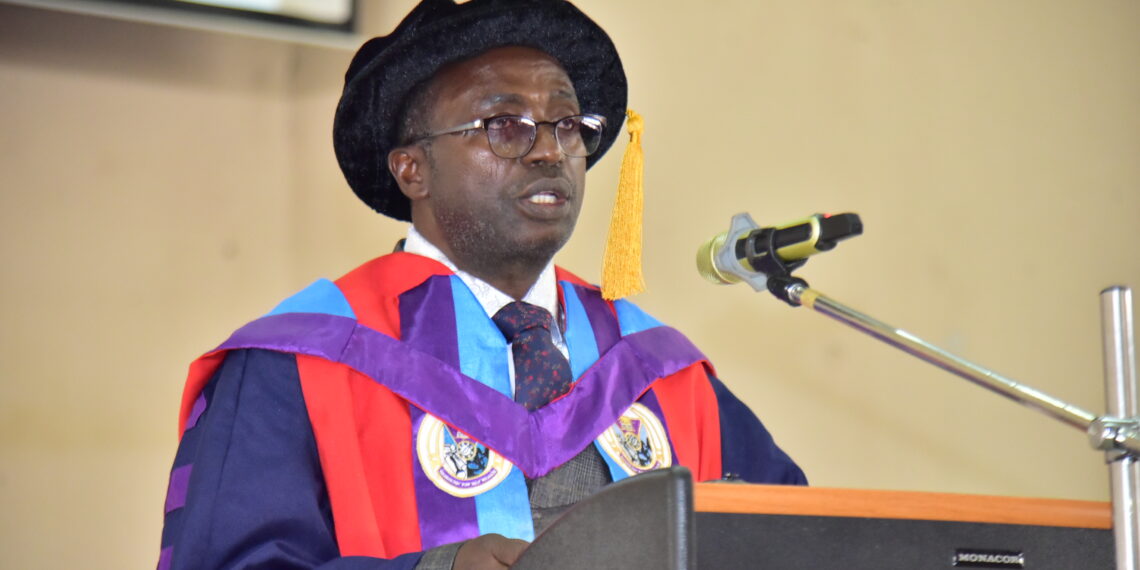
Nigerian Peppersoup Ingredients Can Prevent Disease – Professor
Professor Bamidele Osho, a specialist in Veterinary Parasitology and Ethnoveterinary Medicine at the Federal University of Technology, Akure (FUTA), highlighted the diverse benefits of phytochemicals found in Nigerian pepper soup ingredients.
In his 162nd inaugural lecture titled “Ethnoveterinary Medicine: A Complementary Alternative in Animal Health Care,” Professor Osho underscored the antioxidant properties and potential applications of these phytochemicals in disease prevention and animal nutrition.
His study focused on popular spices used in Nigerian pepper soup, revealing the presence of various beneficial phytochemicals, including tannins, saponins, flavonoids, phytates, oxalate, alkaloids, phenols, and terpenoids.
Read Also Dogs Better Fed Than Inmates In Nigerian Prisons – Oshiomhole
Professor Osho emphasized the antioxidant properties of flavonoids, particularly quercetin, which has the potential to prevent tumor cell formation in various cancer types.
He also highlighted the antibiotic properties suggested by the presence of saponins and tannins in the spices. Beyond human benefits, Professor Osho suggested that incorporating these spices into animal diets could promote growth and maintain health.
In addition to pepper soup spices, Professor Osho explored the antioxidant properties of Fluerya aestuants L (tropical nettle) traditionally used for animal health.
The methanol extracts exhibited notable antioxidant activity, supporting its traditional use for various purposes.
Advocating for the integration of traditional wisdom and ethnoveterinary medicine in animal healthcare, Professor Osho recommended that governments recognize and support the preservation of traditional knowledge related to ethnoveterinary practices.
He called for community empowerment through policy formulation, focusing on sustainable management and utilization of ethnoveterinary knowledge.
Ethnoveterinary medicine, according to Professor Osho, can bridge the gap between traditional and modern veterinary medicine, improving the health and welfare of animals.
He urged governments to allocate funds for research in ethnoveterinary medicine, enhance collaborations between agencies, research institutions, and local communities, and develop policies to integrate ethnoveterinary practices into mainstream veterinary services.
The Vice Chancellor of FUTA, Adenike Oladiji, praised Professor Osho’s lecture, recognizing him as an erudite academic with a commendable track record in student training and research activities.
Stay Updated With More News By Joining Our WhatsApp Group With The Link Below
https://chat.whatsapp.com/HbO11pwVPsL8tBHkSChpMe







Comments
0 comments