


Tinubu’s Reforms Deliver Positive Macroeconomic Results – Okechukwu
 Follow us on Google News
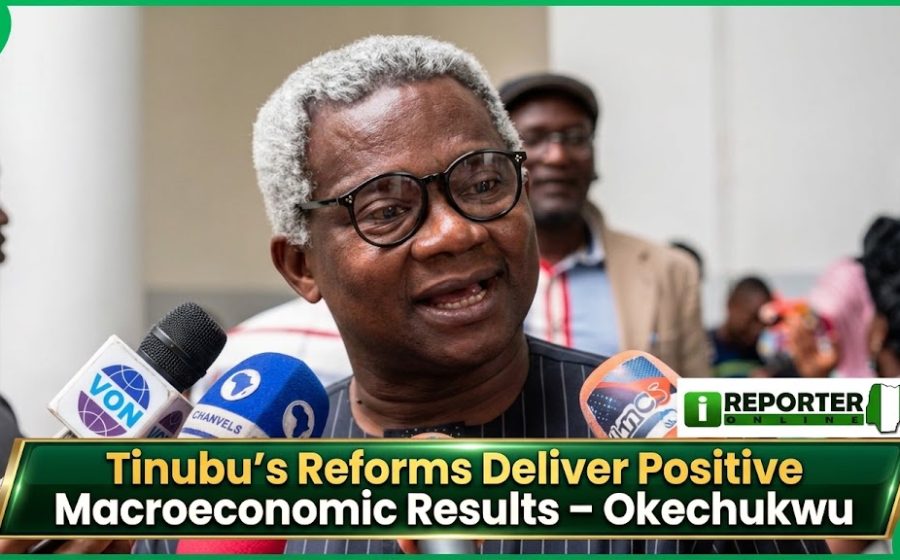
An All Progressives Congress (APC) chieftain, Osita Okechukwu, has said that although President Bola Tinubu’s economic reforms have recorded gains at the macroeconomic level, they have yet to provide meaningful relief for ordinary Nigerians.
According to reports monitored by Ireporter Online, Okechukwu made the remarks during an interview on Arise Television’s Prime Time programme on Tuesday, where he highlighted persistent economic challenges facing households and businesses.
The APC founding member said Nigerians continued to grapple with high prices, declining purchasing power and unemployment, while small and medium-sized enterprises were struggling to remain operational amid rising costs.
He explained that while some indicators might suggest improvements in the broader economy, the situation remained difficult for citizens trying to afford basic necessities and secure employment.
Okechukwu argued that the reforms had not delivered the expected benefits at the microeconomic level, particularly for individuals and businesses directly affected by the rising cost of living.
“The economic reforms have done well at the macroeconomic level, but microeconomic indicators are very poor,” he said.
He added that the persistent cost-of-living crisis and lack of jobs had limited the positive impact of the administration’s economic policies on ordinary Nigerians.
According to the APC chieftain, the reforms were expected to stimulate private-sector growth, encourage investment and create employment opportunities. However, he said several challenges continued to hinder businesses from achieving those objectives.
Okechukwu identified the naira’s devaluation as one of the major obstacles facing small and medium-sized enterprises, explaining that the weaker currency had made imported machinery more expensive and difficult for businesses to acquire.
He also pointed to rising energy costs as an additional burden on local industries, many of which are already struggling with increased operating expenses.
The APC chieftain maintained that these challenges were undermining the ability of smaller businesses to expand, improve productivity and generate jobs.
He argued that although the government’s reform programme was intended to encourage private-sector development, the prevailing economic conditions had made it difficult for many enterprises to benefit from the policy changes.
Okechukwu’s comments highlight the gap between improvements in broader economic indicators and the everyday experiences of Nigerians facing high living costs, limited purchasing power and employment difficulties.







Comments
0 comments