
Connect with us

Latest News

Understanding Urine Color And When It Signals A Health Concern

Published

on

Untitled7up
Understanding Urine Color And When It Signals A Health Concern
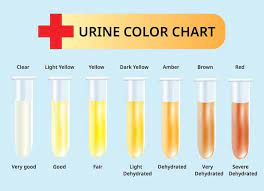
Urine color can provide valuable insights into your health. While variations in color are typically harmless and can be influenced by factors such as hydration and diet, certain changes in urine color may indicate underlying health issues. Understanding what different urine colors mean and when they may signal a health concern is essential for maintaining optimal health….READ ALSOBorno’s Unconventional Crisis: Youths’ Fermented Urine Fixation Stumps Anti-Drug War


Normal Urine Colors:

Advertisement
  1. Pale Yellow: Generally, urine that is pale yellow or straw-colored is considered normal. This color indicates that you are well-hydrated and your kidneys are functioning properly.
  2. Transparent: If your urine appears clear or transparent, it may indicate that you are drinking too much water. While staying hydrated is important, excessively clear urine may suggest overhydration.
  3. Dark Yellow: Urine that is dark yellow may indicate dehydration. When you are dehydrated, your body produces less urine, resulting in a more concentrated color.

Abnormal Urine Colors and Their Potential Causes:

  1. Red or Pink: Red or pink urine may be caused by the presence of blood. This could be due to a urinary tract infection, kidney stones, or other underlying conditions affecting the urinary tract. In some cases, certain foods or medications can also cause urine to appear red or pink.
  2. Brown: Brown urine may be a sign of liver or kidney problems. It can also occur as a result of eating certain foods or medications. In some cases, intense exercise or muscle injury can cause the breakdown of muscle tissue, leading to the presence of myoglobin in the urine, which gives it a brown color.
  3. Orange: Orange urine may be caused by dehydration or the presence of certain medications or food dyes. It can also indicate liver or bile duct problems. If you notice persistent orange-colored urine, it’s important to consult a healthcare professional for further evaluation.
  4. Green or Blue: While rare, green or blue urine can be caused by certain medications, foods, or medical conditions. For example, medications containing methylene blue or food dyes may cause urine to appear green or blue. In some cases, a urinary tract infection caused by certain bacteria can also result in green urine.

When to See a Doctor:

If you notice persistent changes in urine color that cannot be attributed to diet or medications, it’s important to consult a healthcare professional. Additionally, if you experience other symptoms such as pain or difficulty urinating, fever, or abdominal discomfort, seek medical attention promptly. Your doctor can perform diagnostic tests to determine the underlying cause of abnormal urine color and recommend appropriate treatment.

In conclusion, understanding urine color and its potential implications can help you monitor your health and identify any underlying issues. While variations in urine color are normal, persistent changes or unusual colors should be evaluated by a healthcare professional to rule out any underlying health concerns.

Advertisement
Click to comment
Subscribe
Notify of
guest
0 Comments
Oldest
Newest Most Voted

Trending

0
Would love your thoughts, please comment.x
()
x