


Worldbuilding: Where Content Calendars Work Like An Orchestra, Not A Theatre
 Follow us on Google News
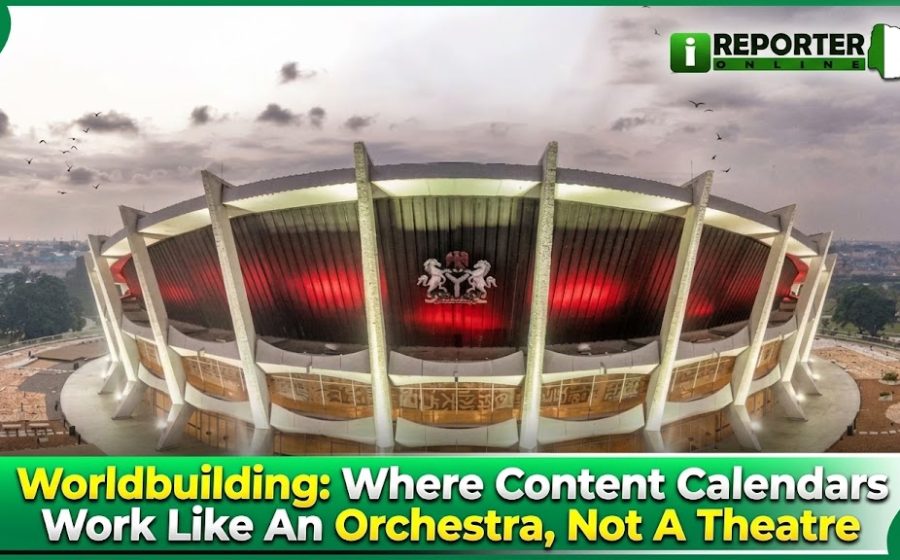
Theatre is built around performance. It relies on scripts, presentation and carefully controlled storytelling, with an audience expected to sit back and receive the message as it unfolds. An orchestra, however, operates differently. Every instrument has its own sound, but each musician must listen, adapt and work with the others to create a harmonious composition.
This distinction offers a useful way to understand modern content strategy. A strong content calendar should function less like a stage production and more like an orchestra, where every piece of content has a distinct role while contributing to a larger brand narrative.
In a theatre-style approach, a brand effectively writes the script and introduces different elements of its personality over time. Each post becomes another scene, gradually revealing the brand’s voice, values, perspectives and character. The audience is expected to connect these individual pieces to understand the larger story.
The challenge is that audiences rarely consume brand content in a predetermined order. They encounter social media posts, search results, newsletters, advertisements, reviews and other forms of communication at different times and through different channels.
An orchestra provides a better model because its different components work simultaneously. Every instrument contributes to the overall composition, creating a complete experience even when individual sounds are heard separately.
The same principle should apply to brand storytelling. Information provides the notes, the brand proposition creates the melody, perspective gives the communication a recognisable voice, while creativity creates the memorable elements that remain with the audience after the interaction ends.
The real measure of effective content, therefore, is not simply immediate applause, likes or engagement. It is whether the audience continues to remember and repeat the message long after encountering it.
Brands today communicate through multiple channels, including social media, search engines, newsletters, case studies, advertising, founder stories, sales emails, webinars and customer reviews. These channels often operate simultaneously, making consistency and coordination increasingly important.
The concept of worldbuilding provides a framework for bringing those moving parts together.
Worldbuilding is the experience a brand creates through the way it communicates, behaves and interacts with its audience. It extends beyond social media posts to include company culture, values, beliefs, processes, customer interactions, internal practices and even the small experiences that shape public perception.
Every decision a company makes contributes to the world surrounding its brand. The way employees treat customers, the issues the organisation chooses to address, the boundaries it establishes and the stories it tells all contribute to how people understand and remember it.
Intentional worldbuilding is therefore not about manufacturing an artificial brand personality. Instead, it involves identifying the characteristics already associated with the organisation and making them more consistent, distinctive and recognisable.
This requires iteration rather than endless experimentation.
A content calendar should be designed to cluster ideas around a broader narrative rather than simply fill posting slots. Instead of asking what the brand should publish during a particular week, content teams should consider the larger story they are building over months or even quarters.
Constantly jumping between unrelated topics, trends and ideas can make a brand difficult to understand. While experimentation can help organisations discover what works, endless experimentation can prevent them from developing recognisable patterns and authority.
Iteration, by contrast, allows a brand to develop and strengthen ideas that resonate with its audience. A business can repeatedly explore a specific problem, subject or audience need while approaching it from different perspectives.
This is particularly important in the era of contentmaxxing, where brands and creators increasingly focus on publishing frequently without necessarily sacrificing quality.
Posting frequently does not automatically make a brand annoying. The real problem arises when frequent publishing produces little value.
Daily content can remain relevant when it is based on genuine insights, customer questions, objections, research and real experiences. Questions raised by customers, concerns expressed by prospects and challenges encountered internally can all provide material for meaningful content.
Authentic customer experiences also help prevent content from becoming generic or artificial.
The rise of generative artificial intelligence has further increased the volume of content available online. As audiences encounter more synthetic and repetitive material, meaningful human experiences, original insights and genuine perspectives become increasingly valuable.
Visibility alone does not necessarily create trust. A brand may appear everywhere and still remain forgettable if its communication lacks substance or consistency.
Worldbuilding addresses this challenge by encouraging brands to communicate the story behind what they are building, including their challenges, achievements, beliefs, processes and experiences.
When these elements are communicated consistently, audiences do more than understand the brand; they develop a sense of familiarity with it.
Useful content that answers questions, solves problems, provides insight, sparks curiosity or offers inspiration is more likely to create lasting value than content produced simply to fill a publishing schedule.
Moving a brand from forgettable to memorable requires character, context and consistency.
Modern brand experiences are shaped by content that reflects who the organisation is, understands the audience’s needs and maintains a recognisable voice across different platforms.
Content should not always be designed to generate an immediate sale. Brands can build stronger relationships by first providing information, education, inspiration and useful insights before asking audiences to make a purchase.
When the immediate objective is conversion, direct calls to action such as “Buy Now,” “Sign Up” or “Download” may be appropriate. However, when the goal is long-term recognition and loyalty, communication should also highlight the brand’s personality, values, expertise and broader purpose.
Without this broader narrative, content can easily become a stream of promotional messages focused solely on products, services and sales.
A clear brand story gives audiences a reason to remain interested even when they are not ready to buy. For many brands, this means dedicating a significant portion of their content to education, inspiration, connection and demonstrating expertise, while reserving a smaller portion for direct conversion.
Ultimately, memorable brands are built when consistency meets substance. When organisations understand their audiences, communicate in language that resonates with them, maintain a recognisable identity and continually build on genuine expertise, their content becomes more than a collection of individual posts.
It becomes an interconnected brand world that audiences can recognise, remember and return to.






Comments
0 comments