

President Tinubu’s Speech Misses the Mark on Urgent Issues Facing Nigerians
 Follow on Google News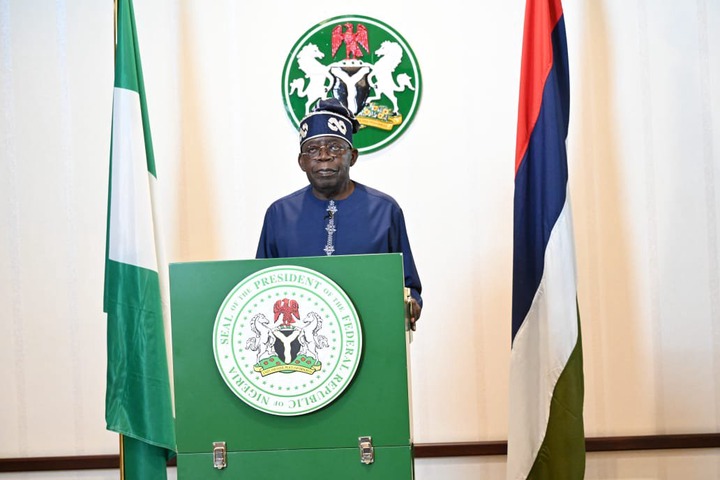
President Tinubu urged a halt to the ongoing protests against Nigeria’s escalating cost of living crisis. He called for dialogue with #EndBadGovernance organizers and acknowledged the protesters’ grievances. While the President outlined various economic measures his administration has undertaken, his speech fell short in addressing the immediate and pressing concerns that sparked the protests.
Economic Measures and Their Shortcomings
President Tinubu highlighted several initiatives aimed at alleviating economic hardship. He reported that ₦570 billion has been allocated to the 36 states for livelihood support and that 600,000 nano-businesses have received grants, with plans to extend this support to an additional 400,000 businesses. Despite these efforts, many of these funds are reportedly being misappropriated. The diversion of grants for personal gain undermines the effectiveness of these programs and erodes public trust.
Need for Direct Distribution
To restore confidence in federal support programs, there is a pressing need for direct distribution of grants and palliatives to beneficiaries. The current system, heavily influenced by governors, often results in resources not reaching those in need. By bypassing intermediaries, the government could ensure that aid reaches its intended recipients and truly supports the vulnerable populations.
Lack of Emotional Connection and Specific Solutions
Effective leadership involves more than just policy implementation; it requires an understanding of and connection to the public’s emotional and psychological state. Historical figures like Abraham Lincoln navigated crises by addressing both the technical and emotional needs of their people. In contrast, President Tinubu’s speech focused predominantly on policy details and past achievements, such as fuel subsidy removal and new foreign exchange systems. This approach seemed disconnected from the immediate suffering caused by soaring prices and economic instability.
Insecurity Overlooked
A major shortcoming of President Tinubu’s address was its failure to address the severe security issues plaguing the northern regions of Nigeria. Last year, Nigeria was ranked 144th out of 163 countries on the Global Peace Index. Insecurity in the North has reached alarming levels, forcing communities to abandon farms, close schools, and face widespread destruction of livelihoods. The President’s speech did not offer any reassurance or specific plans to tackle this escalating crisis, leaving many northern residents feeling neglected and increasingly insecure.
Call for Action
Nigerians had hoped for a speech that would not only acknowledge their hardships but also provide concrete solutions to the dire humanitarian issues exacerbated by criminal activities. With millions displaced and hundreds of thousands facing hunger, there is an urgent need for decisive action. The government must demonstrate a strong commitment to addressing these crises and leading the nation through this challenging period.
The President’s address missed an opportunity to connect with the public on a deeper level and failed to outline actionable plans to address both economic and security concerns. As the situation in Nigeria continues to deteriorate, it is crucial for the administration to refocus its efforts on providing meaningful support and finding sustainable solutions for the country’s most pressing issues.
In the words of French philosopher Jean-Jacques Rousseau, “When the poor have nothing more to eat, they eat the rich.” This stark reality underscores the urgency of addressing Nigeria’s deepening crisis and ensuring that the government’s actions align with the needs and expectations of its citizens.






Comments
0 comments