


health
Cholera Outbreak: Prevention, Treatment, Survival Techniques

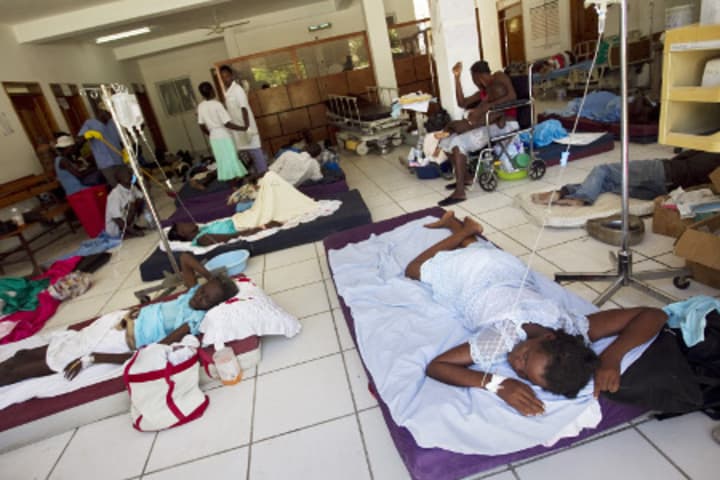
Cholera Outbreak: Prevention, Treatment, Survival TechniquesIn a distressing turn of events, Nigeria is facing a significant cholera outbreak, with recent reports indicating 17 deaths and 1,004 hospitalizations in Plateau State alone. Cholera, known as “blue death” due to the severe dehydration it causes, is a waterborne disease caused by ingesting contaminated food or water. This article aims to provide comprehensive information on cholera prevention, treatment, and survival techniques to help mitigate the impact of this outbreak.
Understanding Cholera
Cholera is caused by the bacterium Vibrio cholerae. Symptoms include acute diarrhea, vomiting, and dehydration, which can rapidly lead to death if untreated. The disease is endemic in Nigeria, with outbreaks occurring annually, particularly during the rainy season and in areas with poor sanitation.
From January 1 to June 11, 2024, Nigeria has reported 1,141 suspected cases, with 65 confirmed cases and 30 deaths across 30 states and 96 local government areas. The affected states include Bayelsa, Zamfara, Abia, Cross River, Bauchi, Delta, Katsina, Imo, Nasarawa, and Lagos.
Prevention Measures
1. Drink Safe Water
- Stick to bottled or boiled water.
- Avoid tap water, wells, or untreated water sources.
2. Practice Good Hygiene
- Wash hands frequently with soap and clean water, especially before eating and after using the restroom.
- Use proper sanitation methods to dispose of human waste and garbage.
- Keep living spaces and surfaces disinfected.
3. Be Cautious with Food
- Avoid raw or undercooked meat, seafood, and unpeeled fruits and vegetables.
- Limit consumption of food from street vendors and ensure food is cooked thoroughly.
4. Use Water Purification Methods
- Use water purification tablets or household bleach in emergency situations.
- Consider using water filters to ensure safe drinking water.
5. Get Vaccinated
- Consider cholera vaccination if traveling to high-risk areas or during an outbreak.
Treatment Techniques
Immediate Rehydration
- Oral Rehydration Salts (ORS): Start ORS as soon as symptoms appear to replace lost fluids and electrolytes.
- Zinc Supplements: Use zinc tablets in conjunction with ORS to reduce the duration of diarrhea.
- Intravenous Fluids: In severe cases, intravenous fluids may be necessary to prevent shock.
Antibiotics
- Administer antibiotics if ORS and zinc do not improve symptoms within 24 hours, but only under medical supervision.
Seek Medical Attention
- Visit a healthcare facility immediately if experiencing severe symptoms such as uncontrollable diarrhea, vomiting, and signs of dehydration.
Survival Techniques
1. Stay Hydrated
- Continuously drink ORS solutions to prevent dehydration.
- Avoid caffeine and alcohol as they can exacerbate dehydration.
2. Maintain Personal Hygiene
- Wash hands with soap and water regularly.
- Use hand sanitizers when soap and water are unavailable.
3. Monitor Symptoms
- Keep track of symptoms and seek medical help if conditions worsen.
- Ensure that children and vulnerable individuals receive prompt medical attention.
4. Stay Informed
- Keep up-to-date with local health alerts and cholera outbreaks in your area.
- Follow guidelines and advisories from health authorities.
Expert Advice
In an exclusive interview with Naija News, Yejide Laleye, Managing Director of Vantagemed Pharmacy Limited, emphasized the importance of hygiene in preventing cholera. “Proper handwashing with soap and running water is crucial,” she said. Laleye also recommended avoiding sachet water (popularly known as pure water) and opting for boiled or treated water instead.
The National Biosafety Management Agency (NBMA) also advised the public to exercise caution and adhere to hygiene practices. Dr. Agnes Asagbra, Director-General of NBMA, stressed the need for boiling drinking water or using certified water purification methods.
Conclusion
The ongoing cholera outbreak in Nigeria is a critical public health issue requiring immediate action. By adhering to preventive measures, practicing good hygiene, and seeking timely medical treatment, individuals can protect themselves and their communities from the devastating effects of cholera.
Stay safe, stay informed, and prioritize hygiene to combat this outbreak effectively.

-

 Politics2 weeks ago
Tinubu Makes Fresh Appointment
-

 Latest News6 days ago
Breaking Political Barriers: Okpebholo Names Enugu-born Igbo Leader to Edo Cabinet
-

 Politics1 week ago
Tinubu Makes New Ambassadorial Appointments, Seeks Senate Confirmation
-
 Latest News2 weeks ago
Breaking: Okpebholo Backs Words With Action As Edo Moves To Establish Special Court For Cultism And Kidnapping Cases, Writes Chief Judge
-

 Latest News2 days ago
APC Submits National Assembly Candidates’ Names To INEC Portal
-

 Latest News1 week ago
Ojirami Shines at Night: Akoko-Edo Residents Hail Engr. Abubakar Momoh Over NDDC Solar Street Light Project
-

 Latest News2 weeks ago
Bandits’ Captivity Death: Widow Rejects Illness Claims, Reveals What K!lled General Rabe
-

 Sports5 days ago
Full List: Every Team Eliminated From The 2026 World Cup So Far
-

 Latest News3 days ago
APC Dismisses Viral List Of Primary Election Winners
-

 Politics2 weeks ago
VIDEO: Shettima, Atiku, Masari, Governors Storm Special Prayer For Tinubu’s Late Mother
-

 Latest News1 day ago
Uzodimma, Fintiri, Abdurazaq, Other Governors Appear On APC NASS List
-

 Latest News5 days ago
Shake-Up In Nigerian Army As COAS Redeploys Top Officers — Full List Emerges