

Lawmakers’ Infamous Charade: How Budgets Are Padded For Billions Under Constituency Projects Scheme
 Follow us on Google News
Lawmakers’ Infamous Charade: How Budgets Are Padded For Billions Under Constituency Projects Scheme
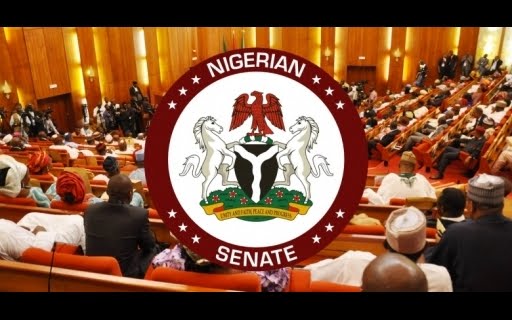
Senate Summons Security Chiefs Over Plateau Killings • N2 trillion Spent Over 21 Years on Programme • Damning ICPC Report Exposes Inner Workings…..READ ALSO Governor Mutfwang Employs Strategy: Appoints 16 Ousted PDP Lawmakers In Plateau State
For 21 years, since senators and members of the House of Representatives pushed for the inclusion of Special Intervention Projects (SIP) – better known as constituency projects – into the budget, it has been a saga of recurring problems.
Constituency projects, allocated a yearly budget of N100 billion, were initiated by the Obasanjo administration with the aim of fostering government proximity to the people, particularly in rural areas. However, they were never intended for lawmakers to directly dictate project selection for their constituents or to be involved in contractor selection.
Originally, it was agreed that the Federal Government would allocate significant funds to finance these projects and ensure their implementation through the Office of the Special Adviser on Millennium Development Goals (MDGs), in collaboration with lawmakers.
N2 Trillion Allocation
Records reveal that a staggering sum of at least N2 trillion has been expended on constituency projects from 2003 to date. Despite the consistent allocation of N95 billion to N100 billion annually, these funds are shared among the 109 senators and 360 members of the House of Representatives.
However, the distribution of funds reflects a hierarchy within the legislature. Seniority, such as holding presiding or principal officer positions, often determines higher allocations, with senators not holding such positions receiving no less than N200 million.
It’s crucial to note that constitutionally, the roles of lawmakers do not encompass project implementation. Their mandate revolves around legislation, representation, and oversight functions, with no provision for direct involvement in project execution. Yet, constituency projects have become a breeding ground for corruption and malpractice.
Attempts to institutionalize constituency projects legally were thwarted in the Senate last year, as it was deemed to infringe upon constitutional provisions granting appropriation powers solely to the Legislature.
Bogus Salaries and Allowances
Former Senator Shehu Sani previously exposed the extravagant salaries and allowances received by lawmakers, with each senator allegedly receiving N13.5 million monthly as running costs, in addition to substantial constituency project funds.
Moreover, former Presidents Obasanjo, Buhari, and Jonathan have all criticized constituency projects as conduits for corruption, emphasizing their negligible impact on improving citizens’ lives.
Disparities in allocation further highlight the fraudulent nature of constituency projects, raising questions about their effectiveness and transparency.
ICPC Report Exposes Corruption
In April 2022, the Independent Corrupt Practices Commission (ICPC) released a damning report detailing how lawmakers were diverting funds allocated for constituency projects. The report highlighted instances of fund diversion, contract awards to family members, and project duplication.
Lawmakers were found to have inserted additional projects into MDAs’ budgets to bolster their influence and diverted funds for personal gain. Projects were often awarded to cronies or family members, and some lawmakers even sited projects on personal properties.
Furthermore, the report exposed instances where projects were executed poorly or not at all, with funds misappropriated for personal enrichment.
Senate’s Response to Allegations
The recent allegation of budget padding by Senator Abdul Ningi sparked a tense debate in the Senate. While Ningi failed to substantiate his claims during the session, Senator Jarigbe Agom Jarigbe revealed disparities in constituency project allocations, causing a temporary uproar.
Despite internal differences, the Senate ultimately united in dismissing Ningi’s allegations and suspended him for three months. This episode underscores the need for transparency and accountability in legislative practices, particularly regarding budgetary allocations and project implementation.
Moving Forward
The saga surrounding constituency projects underscores the urgent need for legislative reform and oversight. Lawmakers must prioritize their constitutional duties and refrain from engaging in activities outside their mandate.
The National Assembly must collaborate with anti-corruption agencies to investigate allegations of malpractice and ensure accountability in project execution. Only through transparency and adherence to legislative norms can the trust of the Nigerian people be restored and meaningful development achieved
Join our channel for more latest news https://whatsapp.com/channel/0029VaV4jB6DuMRgwqnJCF32





Comments
0 comments