

Latest News
The Overview Of Nigeria’s Minimum Wage Increases From 1999 To Present (Details)

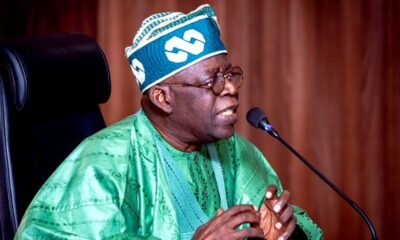
Amidst the ongoing clamour for a substantial increase in the national minimum wage, President Bola Tinubu’s administration announced an increase from ₦30,000 to ₦48,000….CONTINUE READING
However, this adjustment has been met with stark opposition from the Nigeria Labour Congress (NLC), which deems the increase insufficient in light of the current economic climate, particularly following the cessation of electricity and fuel subsidies.
Ireporteronline delves into the historical progression of Nigeria’s minimum wage to provide context to the current disputes. Initially set at ₦3,000 in 1999, the minimum wage saw its first significant rise to ₦7,500 in 2000 under President Olusegun Obasanjo’s regime.
It was later increased to ₦18,000 by the late President Umar Musa Yar’adua in 2011, and subsequently to ₦30,000 under President Muhammadu Buhari in 2019.
The most recent increase by President Tinubu has sparked a significant outcry from the labour sector, which now demands a minimum wage exceeding ₦600,000, arguing that the recent increments do not align with the escalated cost of living triggered by the government’s policy shifts.
This development follows the government’s decision to end fuel subsidies, which resulted in a fuel price surge from ₦189 per litre to over ₦600, exacerbating the financial strain on ordinary Nigerians.
The NLC has expressed its dissatisfaction with the current administration’s approach, emphasizing that the minimal increase in the wage does not compensate for the heightened expenses in daily living costs, leaving workers under severe economic pressure.



-
 Latest News4 days ago
BREAKING: Tinubu Makes Fresh Appointment
-

 Latest News1 week ago
Full List: 10 AIGs Moved As IGP Disu Reshuffles Police Top Brass
-
 Latest News4 days ago
Presidency Fires Back At Catholic Bishops
-

 Gist1 week ago
Davido Fires Back At MC Oluomo Over Osun NURTW Crisis
-
 Latest News4 days ago
Wike Breaks Silence On ₦750m Campaign Billboard Fee
-

 Latest News1 week ago
2027 Elections: APC Uploads 27 Governorship Candidates To INEC Portal
-
 Latest News3 days ago
Tinubu Govt Rolls Out Fresh Rules For Ministers, Top Officials
-
 Latest News1 week ago
PHILLIPS CONSULTING INDEX: WHY THE FINDINGS REFLECT EDO’S INHERITED FISCAL BURDEN—NOT OKPEBHOLO’S RECORD
-

 Latest News4 days ago
Fuel Price Drops As MRS, Others Slash Petrol Pump Price
-

 Latest News1 week ago
I’m Irritated’ – Aisha Yesufu Slams Peter Obi’s TV Interview
-

 Latest News6 days ago
‘Football Is Not For Sale’ – FIFA Fires Back Amid World Cup Investment Backlash
-

 Latest News2 days ago
Breaking: Jonathan Holds Closed-Door Meeting With Tinubu At Aso Rock