Trump Move To End Birthright Citizenship Sparks Global Outrage Among Nigerians
Nigerians living abroad have criticized President Donald Trump’s executive order seeking to abolish birthright citizenship, arguing that such a change requires more than an executive order to amend a constitutional provision…READ MORE….
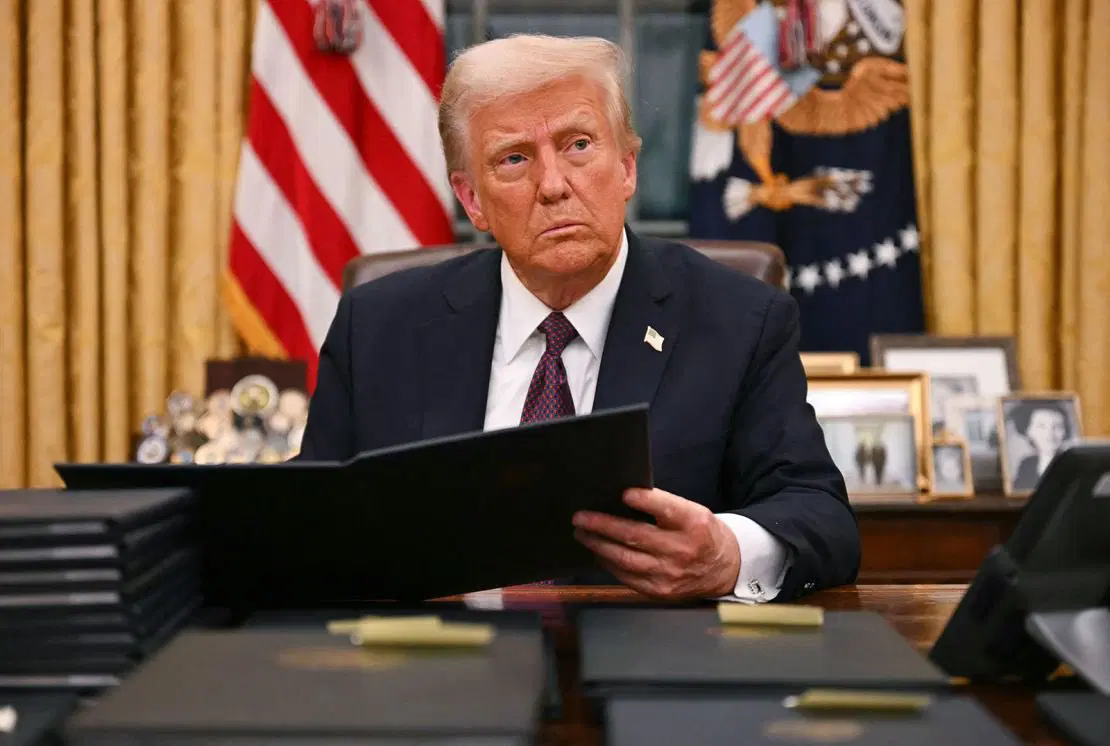
President Trump, upon resuming office on Monday, signed the order aimed at ending automatic U.S. citizenship for children born on American soil to parents who are in the country unlawfully or temporarily. The order specifies that it will apply to children born in the U.S. after 30 days from its issuance.
Diaspora Nigerians emphasized that the legality of the order will ultimately be decided by U.S. courts and the Supreme Court. The move has already sparked numerous legal challenges, with 22 Democratic states and civil rights groups filing lawsuits to block its implementation.
Legality and National Interest
Reacting to the development, Mr. Ralu Ajekwe, a U.S.-based Nigerian, questioned whether the executive order aligns with existing laws. He noted that while governments must act in the national interest, the legality and alignment of such policies with American values remain key considerations.
“An executive order cannot amend a constitutional provision,” Ajekwe emphasized. “If Trump’s policy aligns with American values and goals, it might find support, but its legality must be scrutinized.”
A legal practitioner based in Canada, who wished to remain anonymous, dismissed the order as political posturing, noting that the 14th Amendment guarantees citizenship to all persons born on U.S. soil and subject to its jurisdiction. “The courts will likely overturn the order, as it directly challenges constitutional protections,” he said.
Historical Context and Exceptions
The legal practitioner highlighted that children born to diplomats are typically excluded from birthright citizenship due to diplomatic immunity. However, he questioned whether undocumented migrants, who actively seek jurisdiction under U.S. laws, could also be excluded.
Peter Obiora, an editor and U.S. resident, stated, “The constitution supersedes any executive order. Without a constitutional amendment, Trump’s order cannot stand. Lawsuits will undoubtedly challenge this directive.”
Broader Implications
Johnpaul Nwafidelie, a Canada-based Nigerian, explained that the move reflects efforts to control immigration into the U.S. He noted that Canada is also exploring similar measures but through legislative processes.
He advised Nigerians seeking dual citizenship for their children to follow legal pathways, acknowledging that while the order closes one door, it opens opportunities for those willing to adhere to the revised processes.
“Birthright citizenship benefited foreign nationals for years, but this change aims to curb illegal immigration and address concerns about crime and terrorism,” Nwafidelie said.
Legal and Social Repercussions
The executive order has reignited debates on immigration policies and constitutional rights in the United States. Critics argue that the move undermines core values enshrined in the 14th Amendment, while supporters claim it reflects legitimate concerns about immigration control.
As legal battles unfold, the judiciary’s decision will ultimately determine whether birthright citizenship remains a cornerstone of American immigration law or undergoes significant changes.
For More Information And News Update, Join Ireporteronline WhatsApp Channel With Link Below: https://whatsapp.com/channel/0029VaV4jB6DuMRgwqnJCF32 For advertisement inquiries only, kindly send a message to 09010649814 on Whatsapp




 Latest News1 day ago
 Politics3 days ago
 Latest News6 days ago
 Latest News7 days ago
 Latest News2 weeks ago
 Latest News1 week ago
 Politics1 week ago
 Latest News5 days ago
 Politics1 week ago
 Politics5 days ago
 Latest News7 days ago
 Entertainment2 days ago