


Tech
AI and Robotics Revolution: 4 Key Ways They’re Shaping Our Future by 2025

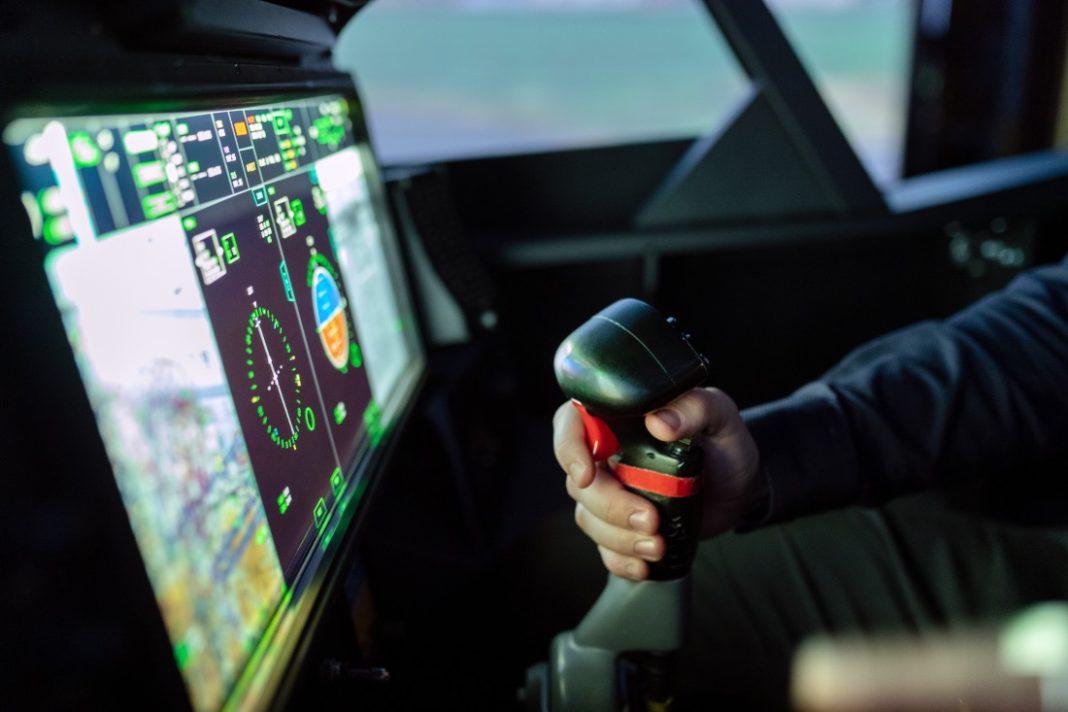
Artificial Intelligence (AI) and robotics are not just futuristic concepts anymore; they are transforming the way we live and work right now. By 2025, these technologies will become even more integrated into our daily lives, shaping industries, economies, and our approach to problem-solving. Here are four key ways AI and robotics are already influencing the future:
1. Automation of Jobs and Industries
AI and robotics are automating tasks across various sectors, from manufacturing to healthcare. Factories are utilizing smart robots to enhance production efficiency and minimize human error. In healthcare, AI-powered tools are assisting doctors with diagnoses and improving patient care through personalized treatments. The automation trend is expected to continue, leading to more streamlined workflows and cost savings for businesses. However, this shift is also sparking discussions about the future of work and how human jobs will be impacted.
2. Smart Cities and Infrastructure
The rise of AI-driven technologies is enabling the development of smart cities, where everything from traffic management to waste disposal is optimized through automation and real-time data analysis. In 2025, cities will likely rely heavily on AI to manage public transportation, energy consumption, and even security systems. These smart cities are designed to be more sustainable, efficient, and safer for residents.
3. Healthcare Innovation and Personalized Medicine
AI is revolutionizing healthcare by making early diagnosis and personalized medicine more accessible. Machine learning algorithms can analyze large datasets to detect patterns and predict potential health issues before they become serious. Robotic surgeons are also making complex surgeries more precise and less invasive. By 2025, we’ll see AI playing an even more significant role in preventive healthcare, with wearable technology constantly monitoring vital signs and alerting doctors to potential issues in real-time.
4. Autonomous Vehicles and Transportation
Self-driving cars and autonomous transportation systems are another area where AI and robotics are making rapid advancements. Autonomous vehicles are being tested around the world, and by 2025, they may become a common sight on roads. These vehicles use AI to navigate traffic, reduce accidents, and improve transportation efficiency. Beyond cars, autonomous drones and robots are also expected to revolutionize delivery services, further integrating AI into the logistics and transportation industries.
As AI and robotics continue to evolve, their impact on society will only grow. By 2025, these technologies will be deeply embedded in various industries, improving efficiency, safety, and quality of life. While challenges like job displacement and ethical concerns remain, the benefits of AI and robotics in shaping a smarter, more connected future are undeniable.


-

 Politics2 weeks ago
Tinubu Makes Fresh Appointment
-

 Latest News5 days ago
Breaking Political Barriers: Okpebholo Names Enugu-born Igbo Leader to Edo Cabinet
-

 Politics1 week ago
Tinubu Makes New Ambassadorial Appointments, Seeks Senate Confirmation
-

 Latest News2 weeks ago
Breaking: Okpebholo Backs Words With Action As Edo Moves To Establish Special Court For Cultism And Kidnapping Cases, Writes Chief Judge
-

 Latest News1 week ago
Ojirami Shines at Night: Akoko-Edo Residents Hail Engr. Abubakar Momoh Over NDDC Solar Street Light Project
-

 Latest News2 days ago
APC Submits National Assembly Candidates’ Names To INEC Portal
-

 Latest News2 weeks ago
Bandits’ Captivity Death: Widow Rejects Illness Claims, Reveals What K!lled General Rabe
-

 Politics2 weeks ago
36 Governors Reveal Their Stance On State Police
-

 Sports5 days ago
Full List: Every Team Eliminated From The 2026 World Cup So Far
-

 Politics1 week ago
VIDEO: Shettima, Atiku, Masari, Governors Storm Special Prayer For Tinubu’s Late Mother
-

 Latest News3 days ago
APC Dismisses Viral List Of Primary Election Winners
-

 Latest News5 days ago
Shake-Up In Nigerian Army As COAS Redeploys Top Officers — Full List Emerges