

Tech
Is Big Tech Hiding the Truth About Generative AI? Here’s What You Need to Know

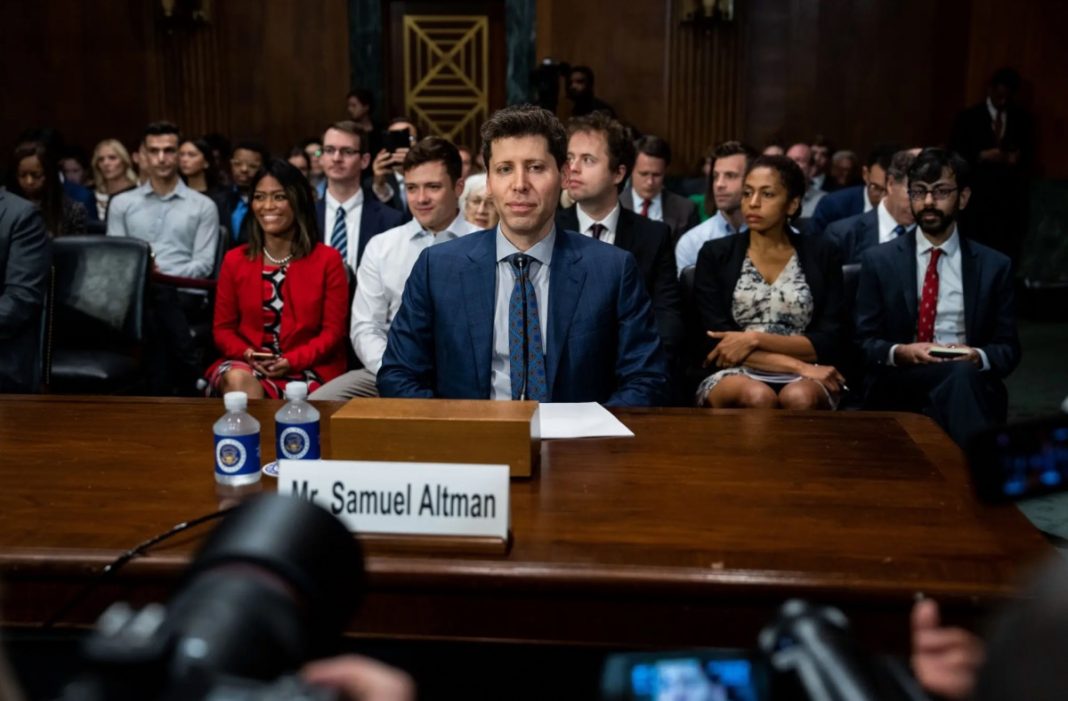
Generative AI has become a major topic in the tech world, but there are growing concerns about transparency. Many wonder if Big Tech is withholding crucial information about its true impact, potential risks, and future direction. This raises questions: Is generative AI as revolutionary as it’s claimed to be? Or are we being kept in the dark about its real implications?
The Rapid Rise of Generative AI
In recent years, generative AI technologies like ChatGPT, MidJourney, and DALL-E have transformed industries. These AI models can generate text, images, and even music, leading to groundbreaking changes in automation, creativity, and productivity. From content creation to problem-solving, the potential of AI seems limitless. But what is Big Tech not telling us?
Behind the Hype: The Concerns Surrounding AI
While generative AI is celebrated for its ability to streamline tasks and open up new possibilities, there are also concerns about how it is being developed and controlled. Critics argue that companies like Google, OpenAI, and Microsoft may not be fully transparent about AI’s long-term effects on jobs, security, and data privacy.
Job Displacement: As AI systems automate more tasks, especially in creative and administrative roles, there is rising anxiety about job losses. Reports suggest that while AI could create new opportunities, it may also replace millions of jobs, leading to a potentially significant shift in the workforce.
Data Privacy and Control: The vast amounts of data needed to train generative AI models are often harvested from users, sparking fears about how this data is collected, stored, and utilized. Users’ private information could be used without their full understanding or consent, giving Big Tech even more control over the digital landscape.
Manipulation of Information: Another concern is the potential for AI systems to be used to manipulate information on a large scale, especially in social media and news platforms. AI-generated deepfakes, misleading content, and automated bots could influence public opinion, posing risks to democracy.
Is Big Tech Keeping Key Information Under Wraps?
Despite the widespread adoption of generative AI, there is limited public knowledge about how these systems really work. Tech giants are often secretive about the inner workings of their AI models, leading to skepticism. Some believe that Big Tech is intentionally downplaying the potential dangers and consequences of AI to maintain control over the market and public narrative.
The Future of AI: What Can Be Done?
There’s a growing call for regulation and oversight to ensure that generative AI is developed and deployed responsibly. Governments and international organizations are beginning to explore ways to hold Big Tech accountable. These measures aim to create ethical frameworks that safeguard privacy, minimize job loss, and prevent the misuse of AI technology.
However, balancing innovation with responsibility is no easy task. Generative AI holds incredible promise, but it also requires careful consideration to avoid unforeseen consequences. As the technology evolves, the conversation around transparency and regulation will only become more critical.
As generative AI continues to reshape the world, it is essential for the public to be informed about both its advantages and potential risks. While Big Tech may not always be forthcoming, it’s crucial to ask tough questions about how AI is developed and used. The future of AI should be one where innovation benefits everyone, not just a select few.
Stay informed, ask questions, and push for transparency—because the truth about generative AI might be more complex than we think.


-

 Latest News2 weeks ago
Tinubu Govt Declares Nationwide Public Holiday For Nigerians
-

 Entertainment1 week ago
₦800,000, ₦5m, $11,000: Ogogo’s Daughter Accuses Nigerians Of Exploiting Father’s Cancer
-

 Latest News2 weeks ago
Tinubu Meets Akpabio, Doguwa, Oyetola, Alake At Aso Rock
-

 Latest News1 week ago
Uzodinma Won’t Market Tinubu To Igbos’ – Oshiomhole Reveals Who Should Help
-

 Latest News1 week ago
APC Chairman Collapses, D!es
-
 Latest News1 week ago
Tinubu Renews Appointments In NTA, NAN
-

 Latest News7 days ago
FG Announces New Appointment
-

 Entertainment2 weeks ago
Ogogo’s Family Breaks Silence, Debunks Viral D**th Rumour
-

 Latest News7 days ago
Tinubu Reviews APC Campaign Council Over ‘Corrupt’ Names — See Who Escaped the Shake-Up
-

 Entertainment1 week ago
‘Please Forgive Me’ – Ijebu Begs Colleagues After Ogogo’s D**th
-

 Latest News5 days ago
Malami Sends Strong Message To ADC Members Ahead Of 2027 Elections
-

 Latest News1 week ago
Full List: Meet Members Of New Fake Agency Uncovered By ICPC