Body Parts That Can Regrow After Damage
The human body is a marvel of resilience, capable of remarkable feats of regeneration and repair. While many may believe that once a body part is damaged or lost, it’s gone forever, science tells a different story……CONTINUE READING
In fact, there are several body parts that have the remarkable ability to regrow, even after being damaged or partially severed.
Here are some of the incredible body parts that can regenerate and grow again:
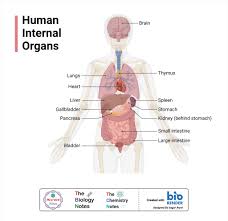
- Liver: The liver is one of the most regenerative organs in the human body. It has the remarkable ability to regenerate lost or damaged tissue, even if up to 75% of its mass is removed. This remarkable regenerative capacity allows the liver to recover from injuries, surgical resections, and even certain diseases.
- Skin: Our skin is constantly renewing itself through a process called cell turnover. When the skin is injured, whether it’s a minor cut or a more severe wound, the body’s natural healing mechanisms kick in to repair the damage. New skin cells are generated to replace the damaged ones, resulting in the closure of the wound and the restoration of skin integrity.
- Bone: Like skin, bones have the ability to regenerate and repair themselves after injury. When a bone is fractured, specialized cells called osteoblasts and osteoclasts work together to remodel and repair the damaged bone tissue. Over time, new bone tissue is formed, and the fracture site heals, often becoming even stronger than it was before the injury.
- Nerves: Nerve cells, or neurons, have limited regenerative capacity compared to other types of cells in the body. However, under the right conditions, nerves can regenerate to some extent. Peripheral nerves, which are located outside the brain and spinal cord, have a better chance of regenerating than central nervous system nerves. With proper medical intervention and rehabilitation, nerve function can sometimes be restored after injury.
- Fingertips: The tips of our fingers contain specialized cells called stem cells, which have the ability to regenerate various tissues, including skin, bone, and nail. This regenerative capacity allows fingertips to heal relatively quickly after injury, even if a portion of the fingertip is lost.
While the human body possesses remarkable regenerative abilities, it’s essential to note that not all body parts can regrow after damage or amputation. For example, organs like the heart, lungs, and brain have limited regenerative capacity and are unable to replace lost or damaged tissue to the same extent as the liver or skin.
However, ongoing research into regenerative medicine holds the promise of unlocking new ways to harness the body’s innate regenerative abilities and potentially enable the regeneration of more complex tissues and organs in the future.
In conclusion, the human body is a testament to the power of regeneration and resilience. While not all body parts can regrow after damage, there are several remarkable examples of regenerative capacity in organs and tissues throughout the body. Understanding and harnessing these natural processes could pave the way for groundbreaking advancements in medicine and healthcare.
Published by Caleb Alfred




 Latest News6 days ago
 Entertainment4 days ago
 Latest News1 week ago
 Latest News2 weeks ago
 Latest News5 days ago
 Latest News3 days ago
 Latest News4 days ago
 Latest News2 days ago
 Gist2 weeks ago
 Entertainment1 week ago
 Latest News2 days ago
 Latest News2 weeks ago