

lifestyle
How Watermelon Improves Men’s Fertility

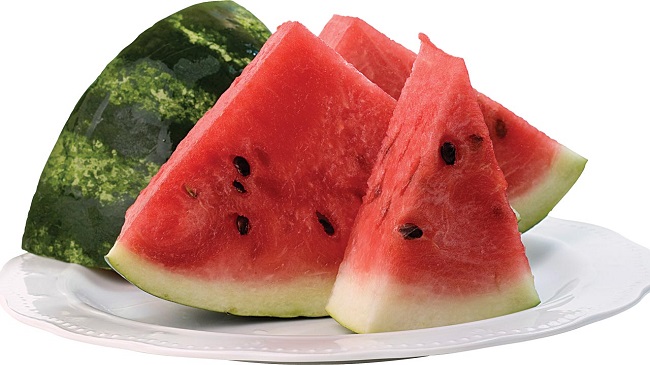
How Watermelon Improves Men’s Fertility
Staying active, managing stress, and making dietary and lifestyle adjustments can all contribute to supporting male fertility. Additionally, certain supplements have shown promise in increasing sperm count. Now, research suggests that a diet rich in watermelon may also have a positive impact on male fertility.
Researchers have found that watermelon consumption can enhance male fertility due to its constituents that improve semen quality, reverse erectile dysfunction, enhance sexual function, increase testosterone levels, and improve gonadotropin secretion.
Although the precise mechanism behind its therapeutic effects on male reproduction remains unknown, watermelon’s antioxidant properties have been demonstrated to enhance sperm quality, address male sexual dysfunction, and support testicle function.
Read Also Naira Marley Arrested Over Death Of Mohbad? – Fresh Fact Emerge
The researchers emphasized the need to identify the specific phytochemicals in watermelon, quantify and isolate their biological activities, and understand their mechanism of action for potential medicinal applications. They also stressed the importance of further studies to draw definitive conclusions regarding the efficacy of these chemicals, particularly in relation to male infertility.
Watermelon consumption has gained popularity, especially in developing countries, due to its reported health benefits. Its fat-free, cholesterol-free, and sodium-free attributes, coupled with its richness in minerals and phytochemicals, contribute to its popularity. Its vibrant color, distinct flavor, and high water content also make it a popular choice for quenching thirst.
While the outer rind is typically discarded, it is edible and can be consumed as a vegetable, fed to animals, or used as fertilizer. Additionally, watermelon rinds can be fermented or blended into juice. Therapeutically, rinds have been used for conditions involving alcohol intoxication and diabetes.
Watermelon is known for its high potassium content, making it effective for treating potassium deficiency and kidney stones. In some cases, watermelon roots are used as an emetic at high doses.
In various regions, watermelon is utilized for its medicinal properties, such as treating burns, swelling, rheumatism, and gout. In Nigeria, it is used to address diarrhea and gonorrhea.
Watermelon seeds may also possess antihypertensive properties and can be beneficial in reducing blood pressure. Additionally, they have anti-helminthic properties and are occasionally prescribed for helminthic infections. The seeds have even been utilized to extract tar, used in the treatment of scabies and skin tanning.
Infertility, a growing concern, can be attributed to a range of complex factors. Approximately 40 percent of infertility cases can be linked to male factors like sperm count, semen quality, and sexual function.
Sperm count and semen quality are believed to be significant contributors to the rising infertility rates in males. A previous study found that among men seeking fertility treatment, sperm count and quality declined by up to 42 percent between 2000 and 2017.
Watermelon seeds, rich in antioxidants, may safeguard sperm DNA from free radicals, bolster blood-testis barrier integrity, and shield crucial components of the reproductive system from oxidation, ultimately improving sperm quality and, consequently, male fertility.
Another study supports watermelon’s benefit for male infertility, suggesting that its high vitamin C content helps preserve human sperm, resulting in better sperm morphology and viability.
In studies related to nutrition and male infertility, increased consumption of oysters, fruits, and vegetables has been recommended. Antioxidants found in fruits and vegetables like mangoes, avocados, spinach, and broccoli may help shield sperm from damage and maintain their strength and mobility. Additionally, leafy greens, beans, and many fruits are rich in folate, a B vitamin with antioxidant properties that may help protect sperm from chromosomal abnormalities.
Stay Updated With More News By Joining Our WhatsApp Group With The Link Below

-

 Entertainment2 weeks ago
₦800,000, ₦5m, $11,000: Ogogo’s Daughter Accuses Nigerians Of Exploiting Father’s Cancer
-

 Latest News2 weeks ago
Uzodinma Won’t Market Tinubu To Igbos’ – Oshiomhole Reveals Who Should Help
-

 Latest News2 weeks ago
APC Chairman Collapses, D!es
-

 Latest News2 weeks ago
Tinubu Renews Appointments In NTA, NAN
-

 Latest News1 week ago
FG Announces New Appointment
-

 Latest News1 week ago
Tinubu Reviews APC Campaign Council Over ‘Corrupt’ Names — See Who Escaped the Shake-Up
-

 Entertainment2 weeks ago
‘Please Forgive Me’ – Ijebu Begs Colleagues After Ogogo’s D**th
-

 Latest News1 week ago
Malami Sends Strong Message To ADC Members Ahead Of 2027 Elections
-

 Latest News2 weeks ago
Full List: Meet Members Of New Fake Agency Uncovered By ICPC
-

 Latest News2 days ago
BREAKING: FG Makes Fresh Appointment
-

 Latest News2 weeks ago
TINUBU UNLEASHES 2027 CAMPAIGN MACHINE: YARI TAKES COMMAND, UZODIMMA GETS KEY ROLE, OSHIOMHOLE TO LEAD MOBILISATION
-

 Gist2 weeks ago
NDLEA Arrests 101-Year-Old Woman, Seizes ₦4.4bn Cocaine Hidden In ‘Fufu’