

Nutrition For HIV/AIDS Foods To Include In Your Diet For Optimal Health
 Follow on Google News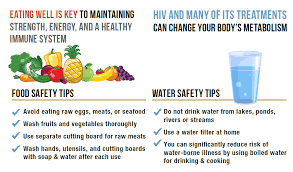
Nutrition For HIV/AIDS Foods To Include In Your Diet For Optimal Health
Maintaining a balanced and nutritious diet is essential for overall health, especially for individuals living with HIV/AIDS. Proper nutrition plays a crucial role in supporting the immune system, managing symptoms, and improving overall quality of life….READ ALSOHope Renewed: Breakthrough HIV/AIDS Vaccine Sparks Global Excitement
While there’s no specific diet for HIV/AIDS, incorporating certain foods into your daily meals can help support immune function, maintain energy levels, and manage potential side effects of treatment. Here are some foods that people living with HIV/AIDS should consider including in their diet:
- Lean Proteins: Protein is essential for supporting immune function and repairing tissues damaged by HIV/AIDS and its treatments. Opt for lean sources of protein such as poultry, fish, eggs, tofu, legumes, and nuts. These foods provide high-quality protein without excess saturated fat, which can help maintain muscle mass and promote overall health.
- Colorful Fruits and Vegetables: Fruits and vegetables are rich in vitamins, minerals, antioxidants, and phytonutrients that support immune function and overall health. Aim to include a variety of colorful fruits and vegetables in your diet, such as berries, citrus fruits, leafy greens, tomatoes, bell peppers, and sweet potatoes. These foods provide essential nutrients like vitamin C, vitamin A, and folate, which are important for immune health and combating inflammation.
- Whole Grains: Whole grains are a good source of carbohydrates, fiber, vitamins, and minerals, providing sustained energy and supporting digestive health. Choose whole grains such as brown rice, quinoa, oats, barley, and whole wheat bread and pasta. These foods provide complex carbohydrates that are digested slowly, helping to stabilize blood sugar levels and maintain energy throughout the day.
- Healthy Fats: Incorporating healthy fats into your diet can help support heart health, reduce inflammation, and provide essential fatty acids. Include sources of healthy fats such as avocados, nuts, seeds, olive oil, and fatty fish like salmon and sardines. These foods provide omega-3 fatty acids, which have anti-inflammatory properties and may help reduce the risk of cardiovascular disease.
- Probiotic Foods: Probiotic-rich foods contain beneficial bacteria that support gut health and digestion, which is important for individuals living with HIV/AIDS. Include foods like yogurt, kefir, sauerkraut, kimchi, and miso in your diet to promote a healthy balance of gut bacteria and support immune function.
- Iron-Rich Foods: Some individuals living with HIV/AIDS may develop anemia due to the virus or side effects of medication. Including iron-rich foods in your diet can help prevent or manage anemia. Good sources of iron include lean meats, poultry, fish, beans, lentils, tofu, spinach, and fortified cereals.
- Hydration: Staying hydrated is crucial for overall health and well-being, especially for individuals living with HIV/AIDS. Drinking an adequate amount of water and other fluids helps maintain hydration, supports digestion, and flushes out toxins from the body. Aim to drink plenty of water throughout the day and include hydrating foods like soups, smoothies, fruits, and vegetables in your diet.
It’s important for individuals living with HIV/AIDS to work with a healthcare provider or registered dietitian to develop a personalized nutrition plan tailored to their specific needs and health goals. Depending on individual health status, medication regimen, and other factors, dietary recommendations may vary. By focusing on nutrient-rich foods and maintaining a balanced diet, individuals living with HIV/AIDS can support immune function, manage symptoms, and improve overall quality of life.







Comments
0 comments