

Petrol Price Hike: NMDPRA Breaks Silence, Cites PIA
 Follow on Google News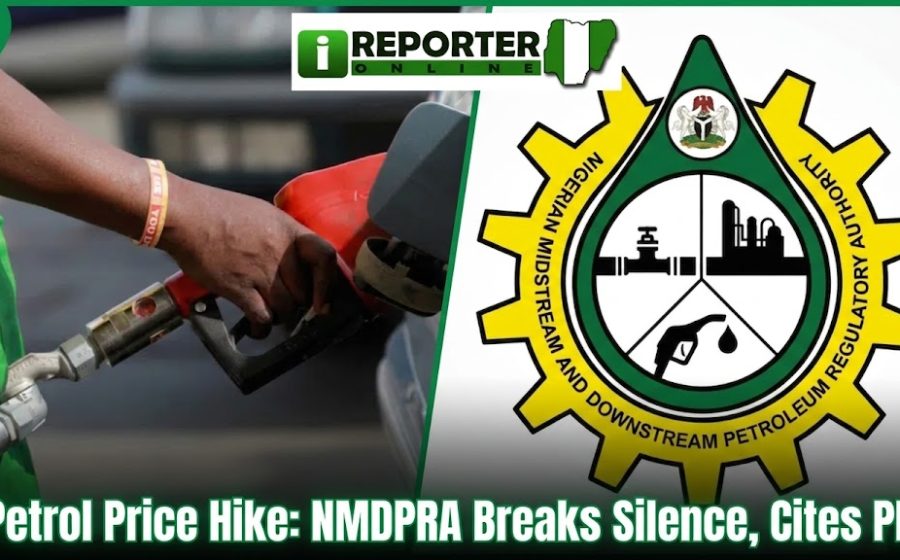
The Nigerian Midstream and Downstream Petroleum Regulatory Authority (NMDPRA) has clarified that it does not determine the price Nigerians pay for petrol at filling stations.
According to a statement issued by the Authority on Saturday, September 19, 2026, the clarification comes amid another increase in the pump price of Premium Motor Spirit (PMS), commonly known as petrol, which has continued to put pressure on households, transport operators and businesses.
The NMDPRA explained that the Petroleum Industry Act (PIA) 2021 provides for petroleum product prices to be determined by market forces rather than fixed by the regulator.
The Authority cited Section 205(1) of the Act, which provides that wholesale and retail prices of petroleum products should be based on unrestricted free-market pricing conditions.
“Section 205(1) provides that wholesale and retail prices of petroleum products shall be based on unrestricted free market pricing conditions. The Authority does not fix pump prices or issue administrative price templates,” the NMDPRA said.
It further explained that government intervention in petroleum pricing is permitted only under exceptional circumstances where there is formal evidence of market failure.
According to the regulator, Sections 205(2) to 205(4) restrict government intervention in pricing to such circumstances, adding that no market failure had been declared.
The NMDPRA, however, stressed that deregulation does not give petroleum operators the freedom to engage in unfair or anti-competitive practices.
It said Section 216 of the PIA empowers the Authority to address price fixing, anti-competitive practices and abuse of market dominance.
The regulator also disclosed that it was collaborating with the Nigeria Customs Service and other security agencies to strengthen surveillance along border routes and curb the illegal diversion of petroleum products out of the country.
The Authority said petroleum operators remained subject to regulatory requirements and fair-trade standards despite the deregulated nature of the market.
It added that it was working with the Federal Competition and Consumer Protection Commission (FCCPC) under a memorandum of understanding to monitor alleged cases of price gouging, collusion, under-dispensing and the sale of substandard petroleum products.
The NMDPRA further announced plans to establish dedicated channels through which members of the public and industry stakeholders can report unusual price increases and other potentially exploitative practices.
According to the Authority, complaints received through the channels would be investigated, with appropriate enforcement action taken where necessary.
The NMDPRA said it remained committed to promoting energy security, fair competition and consumer protection within the legal framework established by the Petroleum Industry Act.




Comments
0 comments