

DSS Frees Journalist Soyinka After Passport Seizure, Cites Mistaken Identity for Arrest
 Follow on Google News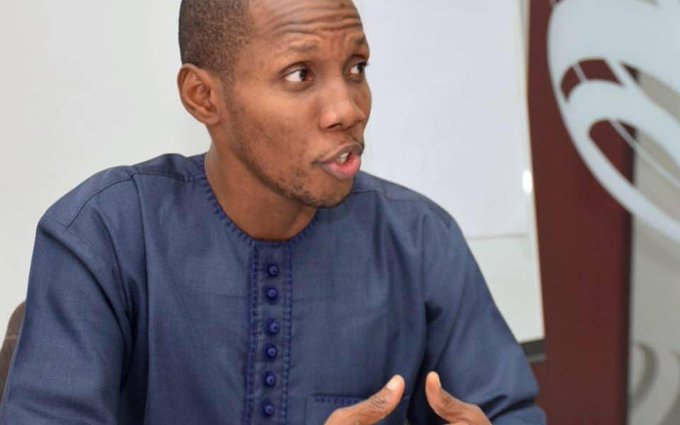
Department of State Services (DSS) has released the passport of journalist Soyinka, following his recent arrest that sparked widespread concern. The DSS has since clarified that the arrest was a result of mistaken identity, leading to the unfortunate detention of the wrong individual.
The incident began when Soyinka, a respected journalist, was apprehended by DSS operatives under circumstances that remain unclear. His passport was confiscated, causing an outcry among media professionals and human rights activists who viewed the action as an infringement on press freedom. The outcry quickly gained momentum, with many calling for his immediate release and the return of his travel documents.
In a statement, the DSS acknowledged the error, stating that Soyinka’s arrest was a result of a mix-up in their identification process. The agency expressed regret for the inconvenience caused and emphasized that it was not a deliberate act to target the journalist. “We deeply regret the confusion and stress this incident has caused Mr. Soyinka,” the DSS spokesperson said. “Our operatives acted on intelligence that unfortunately led to a case of mistaken identity. We have since corrected the situation and returned all personal documents to Mr. Soyinka.”
Soyinka, who was released shortly after the misunderstanding was cleared up, expressed relief but also voiced concern over the ease with which such errors can occur. “I appreciate the DSS for addressing this mistake, but it raises serious questions about the efficiency of our security protocols,” he stated. “Such incidents should not happen, especially in a country where the media plays a crucial role in holding the government accountable.”
The incident has reignited debates on the state of press freedom in Nigeria, with many urging the DSS and other security agencies to exercise more caution and diligence in their operations. Critics argue that while security is paramount, the rights of individuals, particularly those in the media, must be protected to prevent the stifling of free speech and the press.
This development comes amid a broader conversation about the balance between national security and individual freedoms, particularly in the context of journalism and the right to free expression. As the dust settles, many will be watching closely to see how the DSS and other relevant authorities address such issues in the future to prevent a repeat of this unfortunate incident.





Comments
0 comments