

Latest News
Private Sector Credit Contracts by N1.89tn as CBN Maintains Tight Monetary Policy

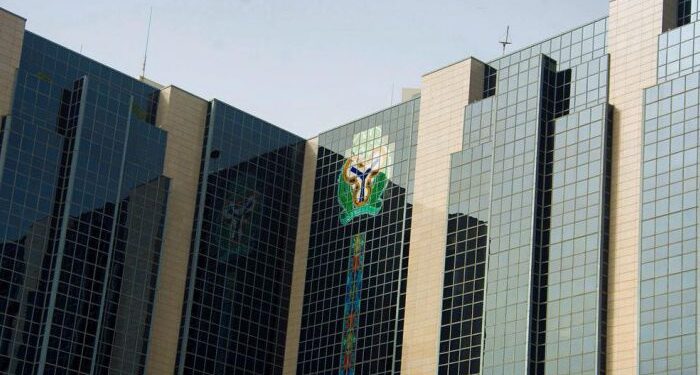
Recent data from the Central Bank of Nigeria reveals a significant N1.89tn reduction in private sector credit during the first half of 2025, as businesses and households curtailed borrowing amid persistently high interest rates. Official figures indicate outstanding private sector loans declined from N78.02tn in December 2024 to N76.14tn by June 2025, reflecting the ongoing impact of the CBN’s restrictive monetary stance.
The contraction follows the Monetary Policy Committee’s decision to maintain the benchmark interest rate at 27.5% throughout 2025, continuing the tight policy implemented through successive hikes in 2024. This environment has compelled many enterprises to prioritize debt repayment over new borrowing, despite the private sector maintaining its dominant 76.24% share of total domestic credit.
Monthly trends show fluctuating patterns, with a notable N1.69tn plunge in June alone – the steepest monthly decline this year – effectively erasing most of the temporary gains recorded in April. Government borrowing exhibited similar volatility, though at lower absolute levels, finishing June at N23.73tn.
While year-on-year comparisons show modest 4.02% growth in private sector credit, analysts attribute this primarily to base effects rather than renewed lending vigor. The CBN’s latest Business Expectations Survey underscores the strain on enterprises, with 75.6% of respondents identifying high interest rates as their most severe constraint – surpassing even perennial challenges like insecurity and power shortages.
CBN Governor Olayemi Cardoso has defended the policy stance, emphasizing its role in sustaining disinflation momentum and containing emerging price pressures. However, private sector advocates including the Lagos Chamber of Commerce warn that the 27.5% MPR imposes unsustainable burdens on businesses, particularly SMEs struggling with operational financing.
The monetary tightening has coincided with a contraction in overall domestic credit, which fell below the N100tn threshold in June for the first time in 2025. Economists suggest this reflects the CBN’s deliberate prioritization of macroeconomic stability over credit expansion, with policymakers apparently willing to tolerate slower growth in the near term to achieve lasting price stability.

-

 Latest News5 days ago
BREAKING: Tinubu Appoints New NIPC, NEPZA Board Chairpersons
-

 Latest News1 week ago
Zulum Speaks On Gubio’s Running Mate Choice
-

 Politics7 days ago
Seyi Makinde Makes Big 2027 Move, Names Running Mate
-

 Latest News1 week ago
New Appointment Announced For Former VP Osinbajo
-

 Latest News2 weeks ago
Tinubu Unveils Fresh Appointments For Gbajabiamila, AGF, Others
-

 Politics2 weeks ago
Key Details Emerge From Meeting Of 18 APC First-Term Governors
-

 Latest News1 week ago
BREAKING: 8 Kidnappers Arrested, Others Eliminated As Oyo Pupils, Teachers Rescued
-

 Entertainment5 days ago
We Tried” — Diamond Platnumz’s Wife Announces End Of Marriage
-

 Latest News3 days ago
El-Rufai Makes Major Move, Withdraws Three Applications In Corruption Case
-

 Politics2 weeks ago
2027: APC Set To Upload Tinubu, Running Mate This Week
-

 Politics1 week ago
BREAKING: APC Unveils Tinubu’s 2027 Running Mate
-

 Latest News1 week ago
Female Journalist Reportedly Taken Into DSS Custody