


Latest News
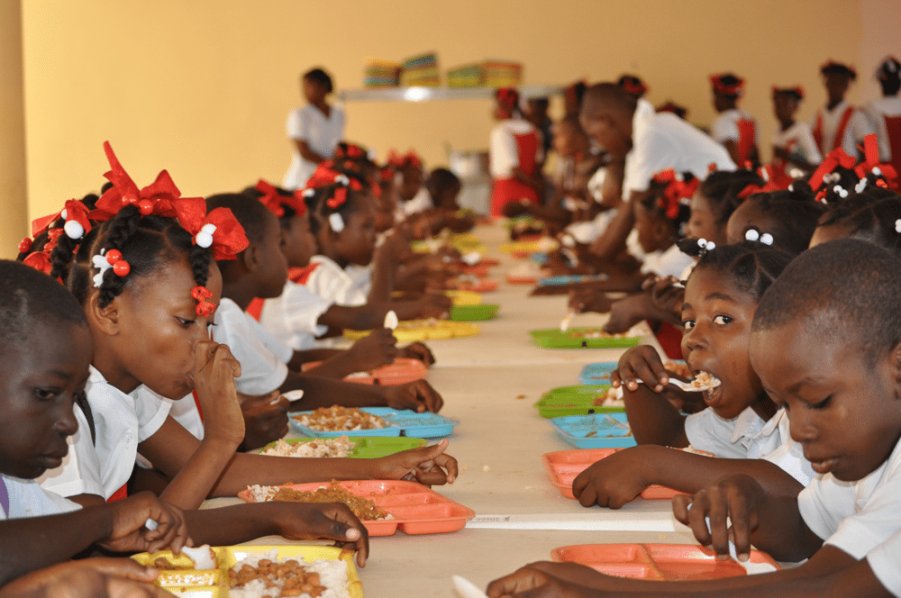
Breaking: Boarding School Students Serve Meals Worse Than Prison Food—Is This The State Of Nigerian Education

Breaking: Boarding School Students Serve Meals Worse Than Prison Food—Is This The State Of Nigerian Education
Showcasing the shocking meal served to boarding house students at a secondary school in Akwa Ibom has sparked outrage across Nigeria. The meal, far below the standard of basic nutrition, was even deemed worse than the…Breaking: Boarding School Students Serve Meals Worse Than Prison Food—Is This The State Of Nigerian Education
meals served to prisoners—who don’t pay for food. This unsettling revelation exposes the dire state of Nigeria’s educational system, especially for young students in public schools. The fear now is that such neglect is not an isolated incident, but a reality in many schools across the country—where students have no platform to voice their complaints.
In response, the Akwa Ibom State government has launched an investigation, suspending the school principal while reviewing the conditions of 25 other boarding schools. Mrs. Idongesit Etiebet, the state’s Commissioner for Education, stated that a thorough investigation would cover all aspects of the boarding experience—hostels, dining, recreation areas, and kitchen facilities—to ensure that students are properly cared for.
The students, who pay for their meals as part of their boarding fees (since free education only covers tuition), deserve far better than what they are receiving. The government must ensure that no child is subjected to this kind of neglect. As Nigerians await answers, they question the depth of monitoring in schools and whether there are channels for students to voice their grievances about food quality and overall treatment.
A boarding school environment is designed to provide students with a structured, focused learning experience, free from distractions. However, poor meals and inadequate care not only undermine this goal but also affect students’ well-being and academic performance. Research has shown that poor nutrition can have severe consequences on cognitive abilities, concentration, and overall mental health. Studies from countries like the United States confirm that malnutrition, including iron and vitamin deficiencies, can negatively impact a child’s cognitive function.
The Akwa Ibom meal scandal highlights the larger, systemic failures in Nigeria’s education sector, and is reminiscent of the federal government’s flawed school feeding program, which was suspended last year due to widespread complaints about poor meal quality and mismanagement. Low funding, lack of infrastructure, and inconsistent delivery have hindered the success of these initiatives, leaving children vulnerable to poor health and educational outcomes.
This is yet another example of how public institutions are failing to meet the needs of the nation’s future leaders. The government’s inability to secure children in schools and protect them from threats—ranging from terrorist attacks to poor food quality—paints a grim picture for Nigeria’s educational system.
As the investigation into Akwa Ibom continues, it is critical that the findings lead to actionable changes in schools across Nigeria. Given the ongoing issues with food inflation, governments must adopt more effective countermeasures to ensure that every child receives proper nutrition and is treated with dignity.
The government must prioritize children’s welfare and create an environment where they can thrive academically and socially, free from fear and neglect.
For More Information And News Update, Join Ireporteronline WhatsApp Channel With Link Below: https://whatsapp.com/channel/0029VaV4jB6DuMRgwqnJCF32 For advertisement inquiries only, kindly send a message to 09010649814 on Whatsapp

-

 Politics1 week ago
Tinubu Makes Fresh Appointment
-
 Latest News2 days ago
Breaking Political Barriers: Okpebholo Names Enugu-born Igbo Leader to Edo Cabinet
-

 Politics4 days ago
Tinubu Makes New Ambassadorial Appointments, Seeks Senate Confirmation
-
 Latest News1 week ago
Breaking: Okpebholo Backs Words With Action As Edo Moves To Establish Special Court For Cultism And Kidnapping Cases, Writes Chief Judge
-

 Latest News1 week ago
Bandits’ Captivity Death: Widow Rejects Illness Claims, Reveals What K!lled General Rabe
-

 Latest News5 days ago
Ojirami Shines at Night: Akoko-Edo Residents Hail Engr. Abubakar Momoh Over NDDC Solar Street Light Project
-

 Politics1 week ago
36 Governors Reveal Their Stance On State Police
-

 Politics7 days ago
VIDEO: Shettima, Atiku, Masari, Governors Storm Special Prayer For Tinubu’s Late Mother
-

 Entertainment1 week ago
Dayo Amusa Blasts Peter Obi: “You Can’t Criticize Government And Hide Your Plans
-

 Sports1 day ago
Full List: Every Team Eliminated From The 2026 World Cup So Far
-

 Latest News2 weeks ago
You Can’t Sign Chequebooks!’ — Wike Issues Tough Warning To FCT Area Council Chairmen
-

 Latest News4 days ago
Ozekhome Suspended From SAN Status By LPPC