


Latest News
Shockwaves In Oil Market: Nigerian Crude Prices Crash Below $70 Amid U.S.–Russia Deal Rumours

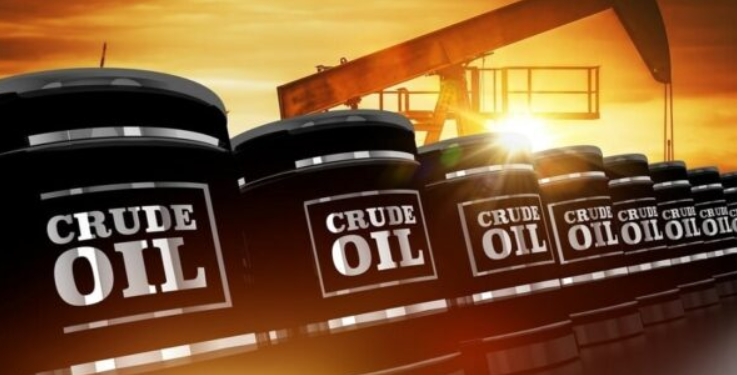
Nigerian crude oil prices ended the day largely flat, according to IReporter Online, as global investors closely monitored talks between the United States and Russia over a potential peace agreement aimed at ending the Ukraine conflict.
Market watchers are debating whether such a deal, if struck, would gain international support and meaningfully affect the flow of Russian crude into global markets.
Bonny Light crude just barely broke a six-day losing streak, settling at $68.85 per barrel. The development comes amid reports that Washington and Moscow are negotiating terms that would see Russia retain control over territories seized during its invasion.
According to IReporter Online, the U.S. is actively seeking backing from Ukraine and European allies for the proposal, though confidence in its success remains low. Many European governments view any agreement that legitimizes Russia’s territorial gains as politically untenable.
In a related move, former U.S. President Donald Trump doubled tariffs on all Indian imports to 50% as retaliation for India’s purchase of Russian crude, threatening similar sanctions against China.
Both the U.S. and European Union have long targeted Russia’s oil revenues as part of their sanctions regime, yet oil markets have proven adaptable — with producers, traders, and buyers finding creative ways to navigate sanctions, tariffs, and geopolitical disruptions.
One recent example is the sale of Russian Urals crude from western ports to Chinese buyers — a departure from traditional trade patterns and a sign of market flexibility.
On the geopolitical front, Russian President Vladimir Putin has demanded that Ukraine cede Crimea and parts of the Donbas region, while Ukrainian President Volodymyr Zelenskiy faces mounting pressure not to yield territory still under Kyiv’s control.
Oil prices overall slipped more than 7% in August after three months of gains, driven by the end of peak summer demand and OPEC+ easing supply constraints. Analysts are now bracing for a possible surplus later this year.
According to IReporter Online, Nigeria’s oil sector has seen a remarkable resurgence, with local operators taking a more active role in upstream activities as international majors scale back.
In July, production averaged 1.8 million barrels per day — the highest in over five years — boosted by greater stability in onshore operations and fewer pipeline disruptions.
Innovative logistics, such as Neconde’s use of barging to supplement pipeline flows, have further improved exports, with volumes to the Ugo Ocha terminal rising to 65,000 barrels per day.
The transformation is partly credited to the Petroleum Industry Act (PIA) of 2021, which restructured the oil and gas industry, replaced outdated legislation, and established the Nigerian Midstream and Downstream Petroleum Regulatory Authority (NMDPRA) alongside the Nigerian Upstream Petroleum Regulatory Commission (NUPRC).
Despite these gains, challenges remain — particularly for the Dangote refinery. July saw record crude imports of 590,000 barrels per day, yet Nigerian grades like Amenam, Bonny Light, and Escravos made up just 40% of that volume.
The rest came from cheaper foreign sources, including U.S. WTI, which has been more price-competitive in recent months.
While an agreement with the NNPC allows Dangote to buy crude in naira, according to IReporter Online, deliveries have consistently fallen short of pledged volumes, underscoring the ongoing struggle to secure domestic supply.
”IREPORTER REPORTS”

-
 Latest News2 weeks ago
Breaking Political Barriers: Okpebholo Names Enugu-born Igbo Leader to Edo Cabinet
-

 Latest News1 week ago
APC Submits National Assembly Candidates’ Names To INEC Portal
-

 Latest News1 day ago
New Appointment Announced For Former VP Osinbajo
-

 Sports2 weeks ago
Full List: Every Team Eliminated From The 2026 World Cup So Far
-

 Latest News2 weeks ago
APC Dismisses Viral List Of Primary Election Winners
-

 Latest News1 week ago
Uzodimma, Fintiri, Abdurazaq, Other Governors Appear On APC NASS List
-

 Latest News2 weeks ago
Shake-Up In Nigerian Army As COAS Redeploys Top Officers — Full List Emerges
-

 Latest News2 days ago
Tinubu Unveils Fresh Appointments For Gbajabiamila, AGF, Others
-

 Politics2 days ago
Key Details Emerge From Meeting Of 18 APC First-Term Governors
-
 Latest News1 week ago
N1.5 BILLION FARM BOOST: Senator Saliu Mustapha Launches Massive Agricultural Intervention, Distributes Fertilisers, Power Tillers, Water Pumps to Thousands of Kwara Farmers
-

 Politics2 weeks ago
Rochas: “I Feel Sorry For Those Peter Obi Misled Into Wasting Money On NDC
-

 Latest News1 week ago
After Billions Spent, Bridge Still Abandoned: Citizens Issue Open Letter to Tinubu, Works Minister, Osun Governor, National Assembly Over ÒRÉ Bridge