

Latest News
FG Breaks Silence: No Official Report Of Nigerians Being Deported From Ghana

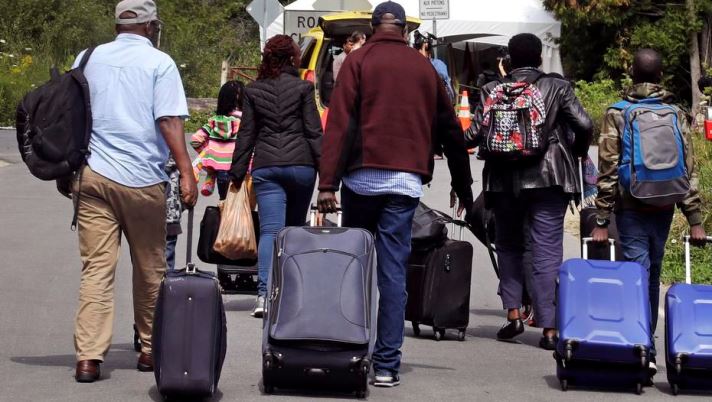
The Federal Government on Thursday stated that it has not received any official notification regarding reports of Nigerians being deported from the United States to Ghana.
This clarification followed claims that Ghana had agreed to accept West Africans deported under a new U.S. arrangement. According to diplomatic reports, Ghana’s President, John Mahama, revealed on Wednesday that the first group of 14 deportees — including Nigerians, Gambians, and others — had already arrived in Accra, with authorities there facilitating their onward return to their respective countries. However, the exact number of Nigerians involved was not disclosed.
Mahama explained that the decision was reached after the U.S. requested Ghana’s assistance in receiving West African nationals expelled from its territory. He justified the move by pointing out that citizens of West African countries, as ECOWAS members, do not require visas to enter Ghana.
When contacted, the spokesperson for Nigeria’s Ministry of Foreign Affairs, Kimiebi Ebienfa, said the government was yet to be officially informed of any such development.
The United States has in recent years pushed African nations to accept deportees, a policy that has sparked controversy across the continent. Nigeria has consistently rejected arrangements it considered unfair, similar to those involving Rwanda, Eswatini, Ghana, and South Sudan, which have agreed to take in deported migrants.
In July, Foreign Affairs Minister Yusuf Tuggar disclosed that Washington was exerting pressure on African countries to accommodate deportees, including Venezuelans, some of whom were being removed directly from U.S. prisons. He condemned the move as unacceptable, warning that it would impose an additional burden on already strained African nations.
Diplomatic experts have since weighed in on Ghana’s decision. Retired Ambassador Rasheed Akinkuolie noted that it falls within Ghana’s sovereign rights, stressing that the choice of how to handle such deportees rests entirely with Accra. Another diplomat, Ambassador Ogbole Amedu-Ode, suggested that the decision was largely logistical, since ECOWAS citizens can enter Ghana without visas. Retired Ambassador Mohammed Mabdul, however, cautioned that such arrangements could strain Nigeria-Ghana relations if not carefully managed.
Analysts also warned that unilateral actions by the United States, without adequate consultation, could create wider diplomatic tensions. They urged that deportation matters be handled through mutual agreements and proper diplomatic channels.
Meanwhile, Washington has continued to tighten immigration policies toward Nigeria. In June, the U.S. Department of State announced more restrictive visa rules, limiting most non-immigrant, non-diplomatic visas for Nigerians to single-entry permits valid for only three months. In August, the U.S. Mission in Nigeria required visa applicants to submit a five-year record of their social media activity.
The Trump administration has further threatened visa sanctions against countries unwilling to cooperate with deportation efforts. Section 243(d) of the U.S. Immigration and Nationality Act empowers Washington to suspend visas in such cases, a threat it has already issued against South Sudan.
The controversial “third-country deportation” policy was revived after a June ruling of the U.S. Supreme Court, which cleared the path for deportees to be sent to nations other than their own. Under this arrangement, South Sudan, Eswatini, Rwanda, and now Ghana have received deportees from the U.S., many of whom were convicted criminals denied legal residency. Critics argue that the policy risks straining relations between African states and raises serious human rights concerns.

-

 Latest News2 weeks ago
Tinubu Announces New Appointment, Sends Nominee To Senate For Confirmation
-

 Politics1 week ago
BREAKING: Tinubu Inaugurates New Ministers
-

 Politics2 weeks ago
Wike Clears Air On Chinda, Says INEC Candidate List Drops In July
-

 Latest News1 week ago
INEC Drops Final List Of Candidates For June 2026 Bye-Elections
-

 Latest News5 days ago
Abubakar Momoh Engages CCECC President At Global Infrastructure Forum In China
-

 Latest News2 weeks ago
Police Provide Fresh Update On Release Of Abducted Oyo Pupils, Teachers
-

 Politics3 days ago
APC Rules Out Any Review Of 2027 Primary Election Results
-

 Latest News2 days ago
Obasanjo Teases Abdulsalami: “I And Gowon May Not Be Alive When You Hit 100
-

 Entertainment2 weeks ago
Love In Ghana! Peller Proposes To Jarvis As Romantic Video Goes Viral
-

 Sports2 weeks ago
Arsenal Announce Exit Of 15 Players As Contract Discussions Continue With Three Others
-

 Latest News3 days ago
Kidnap Suspects Reveal How They Abducted Adelabu’s Sister And Twin Sons
-

 Latest News2 weeks ago
Fresh Court Decision Emerges In ADC Leadership Battle