
Latest News
Shocking Surge: FG’s Electricity Subsidy Skyrockets to ₦1.94tn as Power Sector Bleeds

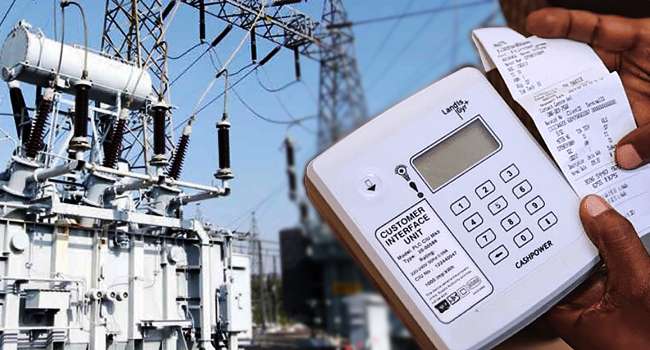
The Federal Government’s electricity subsidy obligation surged dramatically by nearly 220% from ₦610 billion in 2023 to a staggering ₦1.94 trillion in 2024. This spike comes despite a tariff hike for Band A customers introduced in April 2024, underscoring the growing fiscal burden on the government due to frozen customer tariffs amidst macroeconomic volatility.
According to the Nigerian Electricity Regulatory Commission (NERC), the ₦1.94 trillion figure represents the cost difference between the actual cost of electricity generation and the regulated prices paid by consumers. However, the government settled only ₦371.34 million of this amount—barely 0.019% of the total—leaving a massive debt backlog in the power sector.
The drastic increase in subsidies is attributed to several economic headwinds, including the floating of the naira and the removal of fuel subsidies by President Bola Tinubu in mid-2024. These reforms triggered inflation, currency depreciation, and ultimately, higher electricity production costs.
NERC’s 2024 report revealed that the government froze customer tariffs at December 2022 rates, despite rising cost-reflective tariffs. This freeze led to a ₦633.30 billion subsidy obligation in Q1 2024—a 303% jump from the 2023 quarterly average. Though a temporary Band A tariff adjustment cut the subsidy to ₦380.06 billion in Q2, the government’s decision to halt further increases from July 2024 reversed this gain, with Q3 and Q4 obligations rising to ₦464.12 billion and ₦471.69 billion respectively.
In terms of regional impact, Abuja, Ikeja, and Ibadan DisCos led the pack with subsidy allocations of ₦285 billion, ₦272 billion, and ₦236 billion respectively. Yola DisCo, plagued by high insecurity and vandalism, incurred the highest cost-reflective tariff at ₦266.64/kWh—almost twice the national average—yet charged the same rates as other regions, forcing the government to shoulder an outsized subsidy per unit.
Despite this massive financial strain, the government continues to lag in remitting payments to the Nigerian Bulk Electricity Trading Plc (NBET), which forwards the funds to generation companies (GenCos). This has pushed GenCo debt near the ₦5 trillion mark, exacerbating the liquidity crisis across the entire power value chain.
Power sector analyst Bode Fadipe warned that the system is heading for collapse unless radically reformed. He blamed the reliance on foreign exchange for power infrastructure and gas feedstock as key drivers of subsidy inflation. He also expressed doubts about the sustainability of full subsidy removal without accurate pricing models and better enforcement, noting it could fuel electricity theft nationwide.
Echoing the call for transformation, Africa’s richest man, Aliko Dangote, urged wealthy Nigerians to invest in the sector. Highlighting that the Dangote Group already produces 1,500MW for internal use, he questioned why Nigeria continues to stagnate around 5,000MW. Dangote asserted that if his group could build a world-class refinery, Nigeria can replicate that success in power generation.

-
 Latest News4 days ago
Tinubu Govt Declares Nationwide Public Holiday For Nigerians
-

 Latest News2 weeks ago
Okpebholo Sacks SUBEB Chairman, Names Immediate Replacement
-
 Latest News2 weeks ago
Tinubu Approves New Ports Regulator For Nigeria
-

 Latest News7 days ago
Tinubu Meets Akpabio, Doguwa, Oyetola, Alake At Aso Rock
-

 Latest News1 week ago
INEC Makes Fresh Announcement After Declaring Adeleke Winner Of Osun Election
-
 Entertainment2 days ago
₦800,000, ₦5m, $11,000: Ogogo’s Daughter Accuses Nigerians Of Exploiting Father’s Cancer
-

 Latest News3 days ago
APC Chairman Collapses, D!es
-
 Latest News2 days ago
Tinubu Renews Appointments In NTA, NAN
-
 Latest News2 weeks ago
Edo Gov Reshuffles Cabinet, Creates New Ministry — Full List
-
 Latest News2 days ago
Uzodinma Won’t Market Tinubu To Igbos’ – Oshiomhole Reveals Who Should Help
-

 Gist2 weeks ago
Your Uncle Adeleke Is The Real Arindin’ – Sowore Fires Back At Davido
-

 Entertainment1 week ago
Ogogo’s Family Breaks Silence, Debunks Viral D**th Rumour