


health
Breaking The Silence: Urgent Measures Needed As Millions Nigerians Grapple With Mental Health Challenges

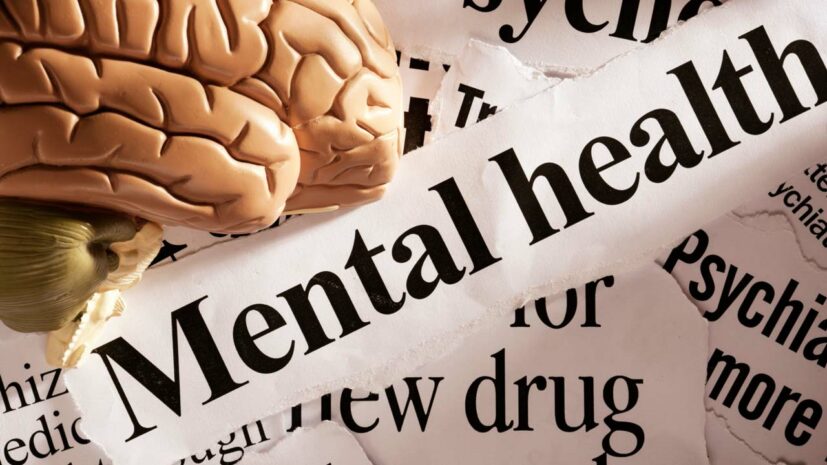
Breaking The Silence: Urgent Measures Needed As Millions Nigerians Grapple With Mental Health Challenges
A pressing concern is gripping Nigeria as approximately 60 million individuals contend with various forms of mental illnesses, ranging from mild to severe, according to recent surveys conducted by medical professionals from Aminu Kano Teaching Hospital…..CONTINUE READING
Shockingly, one in every five Nigerians is deemed susceptible to mental health conditions, reflecting brain-based illnesses affecting thoughts, emotions, and behaviors. Experts point to the nation’s current socio-economic woes as a contributing factor to the escalating mental health crisis.
Compounding the issue is a severe shortage of mental health professionals, with only about 200 psychiatrists catering to a population of approximately 200 million, resulting in an alarming ratio of one psychiatrist for every million people.
Dr. Dami Ajayi, a member of the West African College of Psychiatry, underscores the gravity of the situation, highlighting the scarcity of opportunities for mental health professionals within the clinical care system.
While the passage of Nigeria’s first Mental Health Bill in January 2021 signifies a crucial step forward, addressing the mental health care gap requires more than legislative measures. The country currently boasts a mere five mental health nurses for every 100,000 Nigerians, along with only eight neuropsychiatric hospitals, many of which are in a state of disrepair.
The nation finds itself on the brink of a mental health crisis due to the dire lack of infrastructure and resources.
Health professionals emphasize that mental health encompasses emotional, psychological, and social well-being, influencing an individual’s thoughts, feelings, and behaviors.
With over 200 classified forms of mental illness, the more prevalent disorders include depression, bipolar disorder, dementia, schizophrenia, and anxiety disorders. Factors contributing to mental illness range from biological elements such as genes or brain chemistry to life experiences like trauma, abuse, and family history.
Recognizing the early signs of mental illness, such as changes in eating or sleeping patterns, withdrawal from regular activities, low energy, and feelings of hopelessness, is crucial. Mental health, akin to diabetes or heart disease, is a treatable medical condition. Seeking prompt assistance can facilitate the return to a fulfilling life for many individuals grappling with mental health issues.
Despite the treatability of mental illness, the country is falling short in addressing this public health emergency. Experts advocate for a multi-sectoral and multi-disciplinary approach involving various government ministries, agencies, and departments, especially those of health, labor and employment, and social services.
Urgent steps include the establishment and equipping of rehabilitation centers nationwide, enhanced access to mental health services through community mental health initiatives, and a concerted effort to promote mental health education. Breaking the silence on mental health challenges is paramount, and swift action is imperative to prevent a looming crisis.

-

 Latest News22 hours ago
BREAKING: Tinubu Appoints New NIPC, NEPZA Board Chairpersons
-

 Politics3 days ago
Seyi Makinde Makes Big 2027 Move, Names Running Mate
-

 Latest News6 days ago
Zulum Speaks On Gubio’s Running Mate Choice
-

 Latest News6 days ago
New Appointment Announced For Former VP Osinbajo
-

 Latest News2 weeks ago
Uzodimma, Fintiri, Abdurazaq, Other Governors Appear On APC NASS List
-

 Latest News7 days ago
Tinubu Unveils Fresh Appointments For Gbajabiamila, AGF, Others
-

 Politics1 week ago
Key Details Emerge From Meeting Of 18 APC First-Term Governors
-

 Latest News2 weeks ago
After Billions Spent, Bridge Still Abandoned: Citizens Issue Open Letter to Tinubu, Works Minister, Osun Governor, National Assembly Over ÒRÉ Bridge
-

 Latest News4 days ago
BREAKING: 8 Kidnappers Arrested, Others Eliminated As Oyo Pupils, Teachers Rescued
-

 Politics1 week ago
2027: APC Set To Upload Tinubu, Running Mate This Week
-

 Politics4 days ago
BREAKING: APC Unveils Tinubu’s 2027 Running Mate
-

 Latest News6 days ago
Female Journalist Reportedly Taken Into DSS Custody