

lifestyle
10 HIV Symptoms In Women That Demand Immediate Attention


10 HIV Symptoms In Women That Demand Immediate Attention
Introduction: Human Immunodeficiency Virus (HIV) is a serious health concern affecting millions worldwide, and it’s crucial to be aware of the specific symptoms that may manifest in women. Ignoring these symptoms can lead to delayed diagnosis and treatment…CONTINUE READING
In this article, we highlight ten key HIV symptoms in women that should not be ignored, emphasizing the importance of early detection and medical intervention.
- Persistent Fatigue: One of the early signs of HIV in women is unexplained and persistent fatigue. If you find yourself constantly tired, even after adequate rest, it’s essential to consider the possibility of an underlying health issue, including HIV.
- Recurrent Fever and Sweats: Frequent and unexplained fever, accompanied by night sweats, can be indicative of an HIV infection. These symptoms may signal an overwhelmed immune system and should be thoroughly evaluated by a healthcare professional.
- Unexplained Weight Loss: A significant and unexplained drop in weight is a concerning symptom, especially when not associated with changes in diet or physical activity. Rapid weight loss can be an early indicator of HIV-related complications.
- Recurrent Infections: Women with HIV may experience recurring infections, such as urinary tract infections, yeast infections, or persistent bacterial infections. These infections may be more severe or recurrent than usual, signaling a compromised immune system.
- Swollen Lymph Nodes: Enlarged and tender lymph nodes, particularly in the neck, armpits, or groin, may be a symptom of HIV. These glands are a crucial part of the immune system and can become inflamed as the body attempts to fight off infections.
- Gastrointestinal Issues: HIV can affect the digestive system, leading to symptoms such as chronic diarrhea, nausea, vomiting, or abdominal pain. Persistent gastrointestinal problems should not be ignored and warrant medical attention.
- Skin Rashes and Lesions: Skin issues, including rashes, sores, or lesions, can be common in individuals with HIV. These dermatological manifestations may result from the virus itself or opportunistic infections that take advantage of a weakened immune system.
- Irregular Menstrual Cycles: HIV can impact the reproductive system, causing irregularities in menstrual cycles. Changes in the menstrual pattern or the development of amenorrhea (absence of menstruation) should be investigated promptly.
- Neurological Symptoms: Advanced HIV infection can affect the central nervous system, leading to symptoms such as difficulty concentrating, memory loss, and coordination issues. Neurological symptoms should be promptly addressed to prevent further complications.
- Persistent Cough and Respiratory Issues: Chronic cough, shortness of breath, and other respiratory problems can be indicative of HIV-related complications, including opportunistic infections. Any prolonged respiratory symptoms should be thoroughly evaluated by a healthcare professional.
Conclusion: Early detection of HIV is paramount for effective management and improved outcomes. Women experiencing any of these symptoms should seek prompt medical attention, as timely diagnosis and intervention can significantly impact the course of the disease. Regular testing, open communication with healthcare providers, and awareness of these symptoms are crucial steps in the fight against HIV in women.


-

 Politics4 days ago
Tinubu Makes Fresh Appointment
-

 Politics2 weeks ago
BREAKING: Tinubu Inaugurates New Ministers
-
 Latest News2 days ago
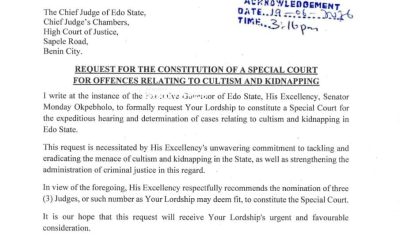
Breaking: Okpebholo Backs Words With Action As Edo Moves To Establish Special Court For Cultism And Kidnapping Cases, Writes Chief Judge
-

 Latest News2 weeks ago
Abubakar Momoh Engages CCECC President At Global Infrastructure Forum In China
-

 Politics1 week ago
APC Rules Out Any Review Of 2027 Primary Election Results
-

 Latest News2 days ago
Bandits’ Captivity Death: Widow Rejects Illness Claims, Reveals What K!lled General Rabe
-

 Politics4 days ago
36 Governors Reveal Their Stance On State Police
-

 Latest News1 week ago
Obasanjo Teases Abdulsalami: “I And Gowon May Not Be Alive When You Hit 100
-

 Entertainment4 days ago
Dayo Amusa Blasts Peter Obi: “You Can’t Criticize Government And Hide Your Plans
-
 Latest News1 week ago
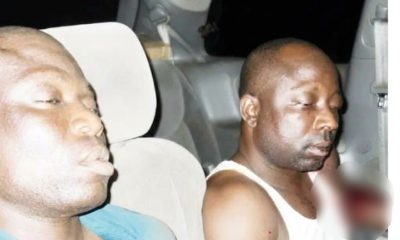
Kidnap Suspects Reveal How They Abducted Adelabu’s Sister And Twin Sons
-

 Latest News6 days ago
You Can’t Sign Chequebooks!’ — Wike Issues Tough Warning To FCT Area Council Chairmen
-

 Politics21 hours ago
VIDEO: Shettima, Atiku, Masari, Governors Storm Special Prayer For Tinubu’s Late Mother