

Local news
Nigerians Spark Unprecedented Bolt Surge in Cape Town and Johannesburg, Leaving South Africans Stranded

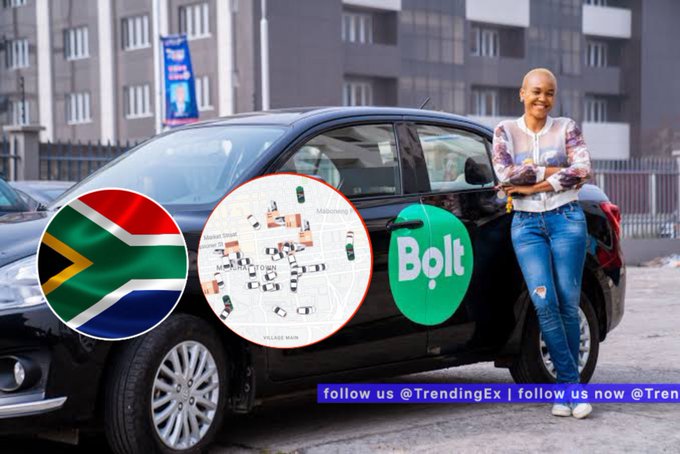
Nigerian users have caused an unprecedented surge in Bolt ride requests across Cape Town and Johannesburg. This sudden spike in demand has resulted in a severe shortage of available rides and drastically increased fares, leaving many South Africans stranded and struggling to find affordable transportation.
The Surge in Demand
The Bolt app, a popular ride-hailing service in South Africa, has been overwhelmed by the sudden influx of Nigerian users. This surge began as a result of a combination of factors, including an increase in Nigerian travelers visiting South Africa and a rise in the number of Nigerian expatriates residing in these cities. As Nigerians flock to Bolt for their transportation needs, the platform’s capacity to handle such a massive volume of requests has been stretched to its limits.
Impact on South Africans
For many South Africans, the Bolt surge has created significant challenges. With a high number of ride requests and limited availability, residents of Cape Town and Johannesburg are finding it difficult to secure rides. The surge in demand has led to long wait times and, in some cases, complete unavailability of rides. This has forced many South Africans to seek alternative modes of transportation or face extended periods of waiting, impacting their daily routines and work schedules.
Rising Costs
The dramatic increase in demand has also led to a sharp rise in ride costs. As the number of available rides dwindles, prices have surged to unprecedented levels. For many South Africans, the inflated fares are unaffordable, further compounding the frustration of finding a ride. This situation has highlighted the need for more efficient ride-hailing solutions and better infrastructure to manage such surges in demand.
Nigerian Influence
The impact of this Bolt surge underscores the growing influence of Nigerian travelers and expatriates in South Africa. The sudden influx of users from Nigeria has brought to light the need for ride-hailing services to better accommodate spikes in demand from diverse user groups. It also reflects broader trends in international travel and migration, where increasing numbers of people are crossing borders for work, tourism, and other reasons.
Challenges for Bolt
For Bolt, managing such a significant surge presents numerous challenges. The platform must find ways to balance supply and demand, ensure that rides are available to all users, and address the concerns of both Nigerian and South African customers. The company is likely exploring various solutions to mitigate the impact of these surges, including increasing the number of drivers on the platform and improving the app’s capacity to handle high volumes of requests.
Potential Solutions
To address the current crisis and prevent similar issues in the future, several measures could be considered. Bolt might enhance its ride-matching algorithms to better manage surges and ensure a more equitable distribution of rides. Additionally, the company could work on increasing the number of drivers available during peak times to better meet demand. Partnerships with local transportation providers could also help to alleviate the pressure on ride-hailing services and provide additional options for commuters.
The Broader Context
This situation highlights a broader issue in urban transportation systems worldwide: how to effectively manage surges in demand and ensure that transportation services remain accessible and affordable for all users. As cities continue to grow and become more interconnected, transportation providers will need to adapt and innovate to meet the evolving needs of their customers.
The Bolt surge in Cape Town and Johannesburg has underscored the complexities of modern urban transportation and the challenges that arise when demand outstrips supply. As Nigerians continue to make their mark on South Africa, both the Bolt platform and local transportation systems will need to find effective solutions to manage such surges and ensure that all users have access to reliable and affordable transportation. Until then, South Africans and Nigerians alike will have to navigate the ongoing challenges of this transportation crisis, hoping for improvements and better management of future surges.


-

 Latest News1 week ago
Tinubu Announces New Appointment, Sends Nominee To Senate For Confirmation
-

 Latest News2 weeks ago
Shake-Up At CBN: Deputy Governors Redeployed, Full List Released
-

 Politics4 days ago
BREAKING: Tinubu Inaugurates New Ministers
-

 Politics1 week ago
June 12: Tinubu Set For Nationwide Broadcast, NASS Address
-

 Politics1 week ago
Wike Clears Air On Chinda, Says INEC Candidate List Drops In July
-

 Latest News4 days ago
INEC Drops Final List Of Candidates For June 2026 Bye-Elections
-

 Latest News1 week ago
Police Provide Fresh Update On Release Of Abducted Oyo Pupils, Teachers
-

 Politics2 weeks ago
2027: Kwankwaso Breaks Silence After Being Named Peter Obi’s Running Mate
-

 Latest News1 day ago
Abubakar Momoh Engages CCECC President At Global Infrastructure Forum In China
-

 Politics2 weeks ago
Kano Lawmaker Dumps NDC, Rejoins APC
-

 Latest News2 weeks ago
Bwala Fires Shots At Rufai Oseni: “Take Leave From Arise News, Join Peter Obi’s Campaign
-

 Latest News2 weeks ago
Amaechi Fires At Peter Obi: “He Lied About Governors’ Forum Election, Refused Oath