

Latest News
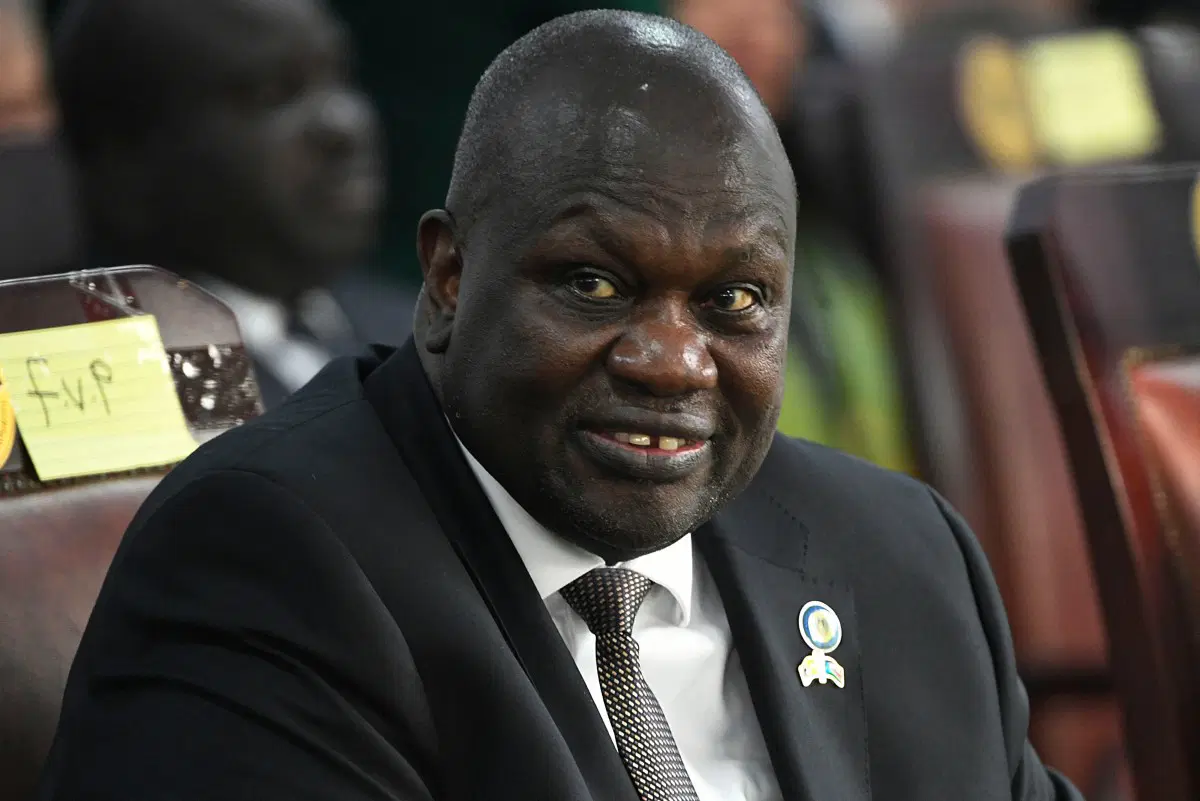
How Social Media Is Escalating Tensions In South Sudan – Report

How Social Media Is Escalating Tensions In South Sudan – Report
Misinformation and online hate speech are fueling unrest and division in South Sudan amid rising political tensions, with fears that the country could be on the brink of renewed conflict.
Ethnic divisions, particularly between the Dinka and Nuer communities, were central to the brutal civil war from 2013 to 2018, which resulted in nearly 400,000 deaths. After years of relative peace, there are troubling signs of a return to ethnic polarization, according to Nelson Kwaje, chair of Digital Rights Frontlines, an organization based in Juba that monitors online hate speech and misinformation.
The situation has worsened following the arrest of First Vice President Riek Machar on March 26, 2025, which has raised doubts about the stability of the 2018 peace agreement between him and President Salva Kiir, who belong to the Dinka and Nuer ethnic groups, respectively.
In South Sudan, mobile phone penetration stands at 40 to 50 percent, with social media usage around 10 percent at most. However, those with access to these platforms often amplify their messages, which are then spread within communities through more traditional communication channels, exacerbating tensions.
Kwaje described the atmosphere in Juba as “relatively calm,” but stressed that social media-driven disinformation and hate speech are stoking widespread fear. “Rumors of assassinations, talk of retaliatory violence, and warnings about ethnic violence” are circulating online, he said.
Recent videos, including one showing the brutal killing of an army general by a predominantly Nuer militia and another depicting a young Dinka man being attacked by Nuer individuals, have intensified ethnic polarization. Kwaje pointed out that such content has “radicalized people,” reigniting the tribal divide that had been diminishing in recent years.
While there is limited access to reliable information and free media in South Sudan, a gap is being filled by individuals who may not always have malicious intent but still contribute to spreading divisive content. However, Kwaje emphasized that some of the messages are politically motivated and well-coordinated, suggesting the involvement of organized actors.
Although the country has developed some resilience since the outbreak of civil war in 2013, Kwaje noted that the peace agreement of 2018, despite its flaws, helped unite the international community, disarmed the warring factions, and imposed an arms embargo, which has somewhat limited the flow of weapons. However, the current situation indicates that the risk of escalating violence remains high if ethnic tensions continue to rise.

-
 Latest News1 day ago
BREAKING: Tinubu Appoints New NIPC, NEPZA Board Chairpersons
-

 Politics3 days ago
Seyi Makinde Makes Big 2027 Move, Names Running Mate
-
 Latest News6 days ago
Zulum Speaks On Gubio’s Running Mate Choice
-
 Latest News6 days ago
New Appointment Announced For Former VP Osinbajo
-
 Latest News2 weeks ago
Uzodimma, Fintiri, Abdurazaq, Other Governors Appear On APC NASS List
-
 Latest News1 week ago
Tinubu Unveils Fresh Appointments For Gbajabiamila, AGF, Others
-

 Politics1 week ago
Key Details Emerge From Meeting Of 18 APC First-Term Governors
-

 Latest News5 days ago
BREAKING: 8 Kidnappers Arrested, Others Eliminated As Oyo Pupils, Teachers Rescued
-

 Politics1 week ago
2027: APC Set To Upload Tinubu, Running Mate This Week
-

 Politics5 days ago
BREAKING: APC Unveils Tinubu’s 2027 Running Mate
-
 Latest News7 days ago
Female Journalist Reportedly Taken Into DSS Custody
-

 Entertainment2 days ago
We Tried” — Diamond Platnumz’s Wife Announces End Of Marriage