


Latest News
Pipeline Crisis Deepens: NUPRC Links 60% Of 2024 Oil Spills To Human Sabotage

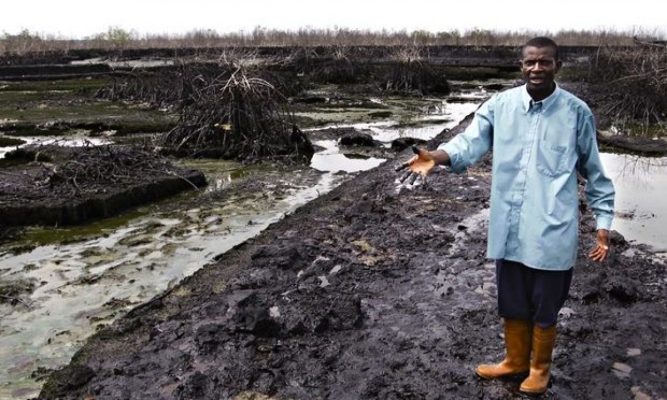
The Nigerian Upstream Petroleum Regulatory Commission (NUPRC) has revealed that Nigeria witnessed 732 oil spill incidents in 2024, with sabotage responsible for a staggering 59.01% of these environmental disasters.
This startling statistic was contained in the commission’s 2024 annual report, published in compliance with the Petroleum Industry Act (PIA) 2021, which requires yearly operational and financial disclosures to the Minister of Petroleum Resources by March 31.
The report highlights that, as of January 1, 2024, Nigeria’s crude oil and condensate reserves rose to 37.50 billion barrels, marking a 1.45% increase from the previous year.
Meanwhile, gas reserves saw a modest bump of 0.21%, climbing to 209.26 trillion cubic feet (TCF) from 208.83 TCF in 2023.
Total crude oil and condensate output for the year reached 578.52 million barrels, comprising 482.82 million barrels of crude oil and 95.70 million barrels of condensate, with a daily average production rate of 1.58 million barrels per day—only 67% of the year’s technical allowable rate.
On the gas front, ACCORDING TO IREPORTER ONLINE, total production hit 2.511 TCF, averaging 6.86 billion cubic feet per day (BCF/D). Of this, 92.26% (or 2.317 TCF) was utilized, while 0.193 TCF (7.64%) was flared and 0.003 TCF (0.10%) classified as shrinkage.
Financially, the commission generated ₦12.25 trillion in revenue in 2024—an impressive 76.74% increase over the projected ₦6.93 trillion.
NUPRC’s approved annual budget was ₦286.94 billion, with actual income at ₦281.34 billion and expenditures totaling ₦191.12 billion.
ACCORDING TO IREPORTER ONLINE, the report also confirmed that six regulatory cases were resolved during the year. Additionally, the much-anticipated 2024 licensing round is set to proceed as planned under the PIA framework, with a strategic focus on drawing fresh investments into Nigeria’s rich petroleum basins.

-
 Latest News3 days ago
BREAKING: Tinubu Appoints New NIPC, NEPZA Board Chairpersons
-

 Latest News1 week ago
Zulum Speaks On Gubio’s Running Mate Choice
-

 Politics5 days ago
Seyi Makinde Makes Big 2027 Move, Names Running Mate
-

 Latest News1 week ago
New Appointment Announced For Former VP Osinbajo
-

 Latest News1 week ago
Tinubu Unveils Fresh Appointments For Gbajabiamila, AGF, Others
-

 Politics1 week ago
Key Details Emerge From Meeting Of 18 APC First-Term Governors
-

 Latest News6 days ago
BREAKING: 8 Kidnappers Arrested, Others Eliminated As Oyo Pupils, Teachers Rescued
-

 Entertainment3 days ago
We Tried” — Diamond Platnumz’s Wife Announces End Of Marriage
-

 Latest News16 hours ago
El-Rufai Makes Major Move, Withdraws Three Applications In Corruption Case
-

 Politics2 weeks ago
2027: APC Set To Upload Tinubu, Running Mate This Week
-

 Politics6 days ago
BREAKING: APC Unveils Tinubu’s 2027 Running Mate
-

 Latest News1 week ago
Female Journalist Reportedly Taken Into DSS Custody