

Latest News
See The Major Parts Of Nigeria Slaves Were Taken From

See The Major Parts Of Nigeria Slaves Were Taken From
The transatlantic slave trade stands as a dark period of unprecedented cruelty and exploitation, forcibly relocating millions of Africans from their native lands to distant shores.
Read Also 7 Foods You Should Not Put In The Refrigerator
This piece delves into the primary regions of Nigeria that bore the brunt of this abhorrent practice, shedding light on a history crucial to comprehending Nigeria’s past.
The Bight of Biafra
The Bight of Biafra, now encompassing Southeastern Nigeria, emerged as a major wellspring of enslaved Africans during the transatlantic slave trade.
Communities like the Igbo, Ibibio, and Efik were profoundly impacted. Their vibrant cultural legacies and contributions to arts, music, and intellectual pursuits were tragically disrupted as they were ensnared in the slave trade, destined for the Americas, particularly the United States.
The slave ports of Lagos and Badagry
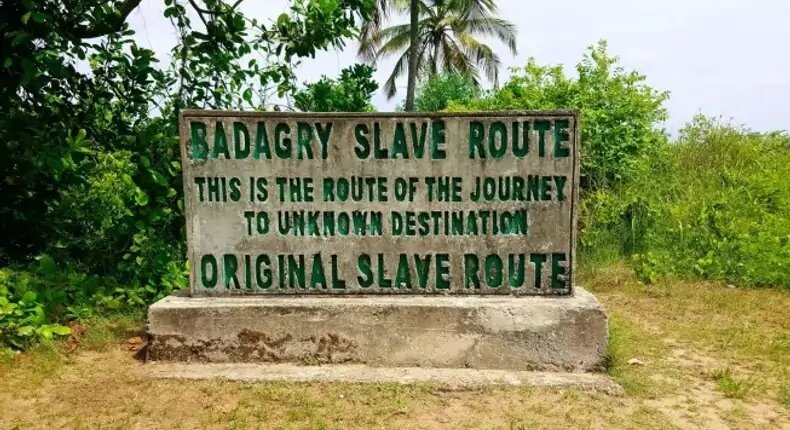
Lagos and Badagry, two coastal regions in Southwestern Nigeria, bear the scars of a painful history of slavery. Initially established by the Portuguese and later exploited by European colonizers, these regions witnessed the grim reality of human bondage.
Countless Africans, including the Yoruba and Egun people, were seized and shipped from these ports to the Americas, the Caribbean, and Europe.
The Niger Delta
The Niger Delta, with its intricate waterways and thick foliage, provided cover for slave raiders.
The Ijaw, Itsekiri, Urhobo, and others faced immense suffering as they were uprooted from this region. Their toil powered the economies of distant lands, leaving a profound void within their own communities.
The hinterlands
While the coastal regions of Nigeria bore the brunt of slave trade activities, the hinterlands were not spared from this horror. The Fulani, Hausa, and Kanuri people from the northern regions were also ensnared in the trans-Saharan slave trade, enduring journeys across the Sahara Desert to North Africa and the Middle East.
The history of slavery in Nigeria remains a haunting testament to the atrocities inflicted upon our forebears. While we cannot alter the past, we can pay tribute to those who suffered by acknowledging the regions from which they were uprooted.
Today, as a united nation, we commemorate their resilience and fortitude, and we strive to forge a brighter future—one that upholds the dignity and rights of all Nigerians, irrespective of their historical legacy.
Credit: Pulse

Subscribe
Login
0 Comments
Oldest
-

 Latest News2 weeks ago
APC Submits National Assembly Candidates’ Names To INEC Portal
-

 Latest News3 days ago
New Appointment Announced For Former VP Osinbajo
-

 Latest News3 days ago
Zulum Speaks On Gubio’s Running Mate Choice
-

 Latest News2 weeks ago
APC Dismisses Viral List Of Primary Election Winners
-

 Latest News2 weeks ago
Uzodimma, Fintiri, Abdurazaq, Other Governors Appear On APC NASS List
-

 Latest News4 days ago
Tinubu Unveils Fresh Appointments For Gbajabiamila, AGF, Others
-

 Politics4 days ago
Key Details Emerge From Meeting Of 18 APC First-Term Governors
-
 Latest News2 weeks ago
N1.5 BILLION FARM BOOST: Senator Saliu Mustapha Launches Massive Agricultural Intervention, Distributes Fertilisers, Power Tillers, Water Pumps to Thousands of Kwara Farmers
-

 Latest News2 weeks ago
After Billions Spent, Bridge Still Abandoned: Citizens Issue Open Letter to Tinubu, Works Minister, Osun Governor, National Assembly Over ÒRÉ Bridge
-

 Latest News1 day ago
BREAKING: 8 Kidnappers Arrested, Others Eliminated As Oyo Pupils, Teachers Rescued
-

 Politics6 days ago
2027: APC Set To Upload Tinubu, Running Mate This Week
-

 Politics2 days ago
BREAKING: APC Unveils Tinubu’s 2027 Running Mate