

Latest News
See The Major Parts Of Nigeria Slaves Were Taken From

See The Major Parts Of Nigeria Slaves Were Taken From
The transatlantic slave trade stands as a dark period of unprecedented cruelty and exploitation, forcibly relocating millions of Africans from their native lands to distant shores.
Read Also 7 Foods You Should Not Put In The Refrigerator
This piece delves into the primary regions of Nigeria that bore the brunt of this abhorrent practice, shedding light on a history crucial to comprehending Nigeria’s past.
The Bight of Biafra
The Bight of Biafra, now encompassing Southeastern Nigeria, emerged as a major wellspring of enslaved Africans during the transatlantic slave trade.
Communities like the Igbo, Ibibio, and Efik were profoundly impacted. Their vibrant cultural legacies and contributions to arts, music, and intellectual pursuits were tragically disrupted as they were ensnared in the slave trade, destined for the Americas, particularly the United States.
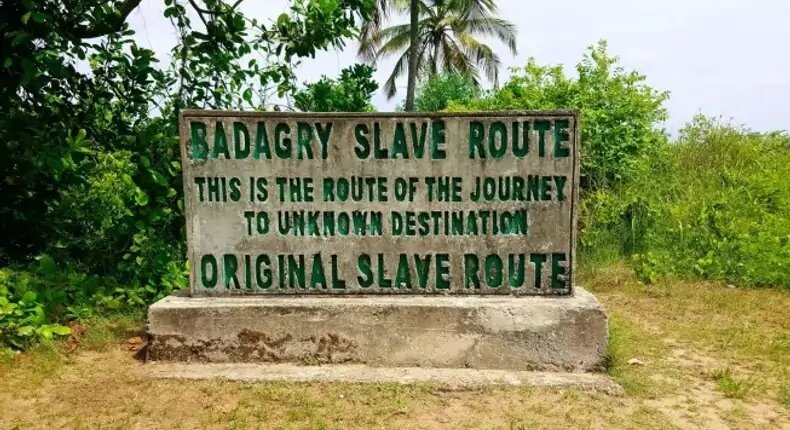
The slave ports of Lagos and Badagry
Lagos and Badagry, two coastal regions in Southwestern Nigeria, bear the scars of a painful history of slavery. Initially established by the Portuguese and later exploited by European colonizers, these regions witnessed the grim reality of human bondage.
Countless Africans, including the Yoruba and Egun people, were seized and shipped from these ports to the Americas, the Caribbean, and Europe.
The Niger Delta
The Niger Delta, with its intricate waterways and thick foliage, provided cover for slave raiders.
The Ijaw, Itsekiri, Urhobo, and others faced immense suffering as they were uprooted from this region. Their toil powered the economies of distant lands, leaving a profound void within their own communities.
The hinterlands
While the coastal regions of Nigeria bore the brunt of slave trade activities, the hinterlands were not spared from this horror. The Fulani, Hausa, and Kanuri people from the northern regions were also ensnared in the trans-Saharan slave trade, enduring journeys across the Sahara Desert to North Africa and the Middle East.
The history of slavery in Nigeria remains a haunting testament to the atrocities inflicted upon our forebears. While we cannot alter the past, we can pay tribute to those who suffered by acknowledging the regions from which they were uprooted.
Today, as a united nation, we commemorate their resilience and fortitude, and we strive to forge a brighter future—one that upholds the dignity and rights of all Nigerians, irrespective of their historical legacy.
Credit: Pulse

Subscribe
Login
0 Comments
Oldest
-

 Politics9 hours ago
Tinubu Makes Fresh Appointment
-

 Politics1 week ago
BREAKING: Tinubu Inaugurates New Ministers
-

 Latest News2 weeks ago
INEC Drops Final List Of Candidates For June 2026 Bye-Elections
-

 Latest News1 week ago
Abubakar Momoh Engages CCECC President At Global Infrastructure Forum In China
-

 Politics5 days ago
APC Rules Out Any Review Of 2027 Primary Election Results
-

 Politics19 hours ago
36 Governors Reveal Their Stance On State Police
-

 Latest News5 days ago
Obasanjo Teases Abdulsalami: “I And Gowon May Not Be Alive When You Hit 100
-

 Latest News6 days ago
Kidnap Suspects Reveal How They Abducted Adelabu’s Sister And Twin Sons
-

 Latest News3 days ago
You Can’t Sign Chequebooks!’ — Wike Issues Tough Warning To FCT Area Council Chairmen
-

 Latest News4 days ago
Benin Market Kidnapping: Okpebholo Orders Full Investigation
-

 Entertainment21 hours ago
Dayo Amusa Blasts Peter Obi: “You Can’t Criticize Government And Hide Your Plans
-

 Latest News1 week ago
No One Is Interested!’ – Aisha Yesufu Blasts NDC National Leader, Senator Dickson