


Latest News
Hantavirus Outbreak: 15 key Facts As WHO Rules Out Pandemic Fears

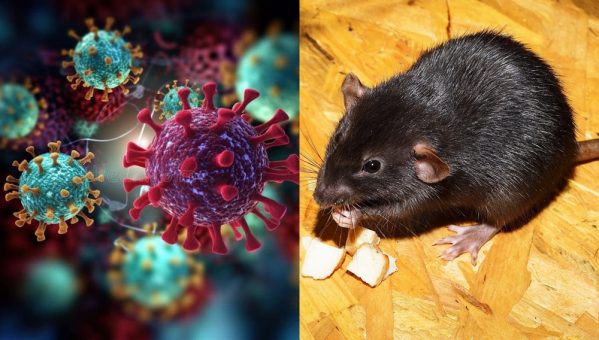
According to Ireporter Online, the World Health Organisation has assured the global public that the recent hantavirus outbreak linked to the MV Hondius does not indicate the emergence of another global pandemic. Health officials clarified that while the outbreak has led to a small number of infections and deaths among passengers, the situation is not comparable to COVID-19 and does not pose a widespread international threat.
WHO experts explained during a press briefing that hantavirus has a fundamentally different transmission pattern, as it is primarily spread through contact with infected rodents or exposure to their waste, rather than efficient human-to-human transmission. Authorities further noted that current evidence suggests the cases remain limited and largely associated with close-contact exposure within a confined environment, rather than broader community spread.
The organisation also stressed that the overall public health risk remains low, with most of the global population unlikely to be exposed. Investigations are still ongoing to determine the exact source of the outbreak, particularly given the virus’s long incubation period, which may allow additional cases to emerge over time.
The WHO highlighted 15 key points to help the public understand the situation: (1) it is not comparable to COVID-19 and is not expected to trigger a pandemic, (2) the outbreak is linked to the cruise ship MV Hondius, (3) the general risk to the public remains low, (4) only a small number of cases have been confirmed, including reported fatalities, (5) hantaviruses are typically rodent-borne, (6) infection can occur through inhalation of contaminated particles, (7) the strain involved is the Andes virus, commonly found in parts of South America, (8) human-to-human transmission is rare, (9) early symptoms resemble flu-like illness, (10) severe cases can lead to respiratory complications, (11) the incubation period may last several weeks, (12) there is currently no specific cure or vaccine, though supportive care improves outcomes, (13) some forms of the disease can have high fatality rates, (14) initial exposure may have occurred before boarding the ship, and (15) prevention focuses on reducing contact with rodents and contaminated environments.
WHO continues to monitor the situation closely while reassuring the public that there is no evidence of a global health emergency.

-

 Latest News2 weeks ago
 -

 Latest News2 weeks ago
El-Rufai Makes Major Move, Withdraws Three Applications In Corruption Case
-

 Latest News1 week ago
APC Kicks Off 2027 Candidate Upload On INEC Portal
-

 Gist1 week ago
Tinubu Appoints Three Oyo Indigenes To Key Federal Positions
-

 Politics2 weeks ago
Malami Makes Political Move, Names ADC Deputy Gov Candidate In Kebbi
-

 Latest News1 week ago
BREAKING: Okpebholo Suspends Edo Commissioner, LPRES Coordinator
-

 Latest News2 weeks ago
Full List: Edo Governor Announces 20 New Appointments
-

 Politics1 week ago
Ikeja Bomb Blast Linked Tinubu, Pedro, Sanwo-Olu — Ex-Aide
-

 Latest News23 hours ago
Full List: 10 AIGs Moved As IGP Disu Reshuffles Police Top Brass
-

 Gist1 day ago
Davido Fires Back At MC Oluomo Over Osun NURTW Crisis
-

 Latest News2 weeks ago
Lukman Walks Away From ADC, Faults El-Rufai
-

 Latest News7 days ago
Tinubu Steps In To End Oyo APC Crisis, Meets Folarin