

Latest News
List Of Crucial Bills Awaiting Approval By 10th National Assembly, Key Legislative Developments

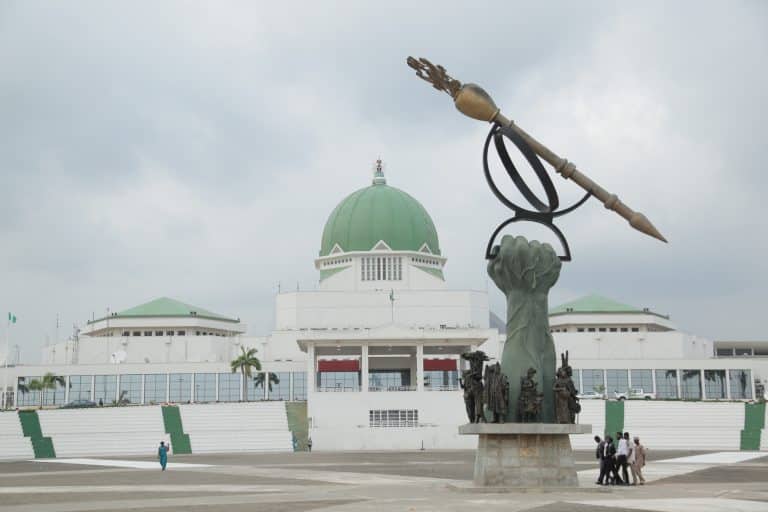
List Of Crucial Bills Awaiting Approval By 10th National Assembly, Key Legislative Developments
The 10th National Assembly, inaugurated in June 2023, has seen the passage of numerous bills. However, several critical and contentious bills are still awaiting public hearings and legislative approval.
Recent controversies have highlighted the National Assembly’s involvement in major policy debates. One such issue is the Federal Government’s proposal to set an age limit of 18 years for students taking the West Africa Senior Secondary School Certificate Examination (WASSCE). Introduced by Education Minister Professor Tahir Mamman, this proposal has faced strong opposition from figures such as former Vice President Atiku Abubakar and various civil society organizations. Critics argue that the policy is outdated and oppressive, urging the government to halt its implementation and seek broader stakeholder engagement. In response, the Senate has announced plans to hold a public hearing on this matter.
As lawmakers prepare to reconvene on September 17, the following significant bills are on their agenda:
1. **Bill on a Six-Year Single Term for Presidents and Governors**
This proposal aims to amend the 1999 Constitution to establish a single six-year term for the president, governors, and local government chairmen. Introduced by Rep. Ikenga Imo Ugochinyere and supported by 50 lawmakers, the bill seeks to modify various constitutional sections, aiming to reduce the frequency of elections and potentially streamline governance. However, there are concerns that this could lead to an excessive concentration of power.
2. **Bills on Parliamentary System**
Three bills propose a shift from Nigeria’s current presidential system to a parliamentary system. These bills, sponsored by Minority Leader Kingsley Chinda and others, suggest that the Prime Minister would assume the role of head of government, with the president serving a ceremonial role. Proponents argue this could enhance governance efficiency and accountability. The bills are still facing significant resistance and practical challenges.
3. **Police Act Amendment Bill**
This bill proposes amendments to extend the tenure of police personnel, aiming to retain experienced officers and reduce training costs. Sponsored by Speaker Abbas Tajuddeen and Rep. Abubakar Makki Yalleman, it seeks to address the shortage of experienced police staff and improve overall operational efficiency. The bill is currently under consideration by the House Committee on Police Affairs.
4. **Ranches Commission Bill**
Introduced by Senator Titus Tartenger Zam, this bill aims to establish ranches for herders and regulate cattle movement. The bill, which includes penalties for non-compliance, has faced significant opposition from northern senators who argue it could disrupt traditional herding practices. A public hearing date is yet to be announced.
5. **NIMC Act Repeal Bill**
This bill proposes repealing the National Identity Management Commission Act of 2017 and broadening registration criteria to include all residents of Nigeria. Sponsored by Deputy Senate President Barau I. Jibrin, it aims to create a comprehensive national identity database and improve documentation, although concerns about security risks have been raised.
6. **Bill Seeking Special Seats for Female Legislators**
This bill proposes creating additional seats for women in the National and State Houses of Assembly. Led by Deputy Speaker Benjamin Kalu, the bill seeks to increase female representation by adding one extra seat per state and three seats per state house of assembly. The bill has passed its second reading and is under further deliberation.
7. **Bill on Diaspora Voting**
The bill proposes allowing Nigerian citizens living abroad to vote in elections. Sponsored by Speaker Abbas Tajuddeen and Rep. Sadiq Ango Abdullahi, it aims to enhance diaspora participation in the democratic process. The bill is currently with the Committee on Electoral Matters for further review.
These bills represent significant legislative changes that could impact various aspects of Nigerian governance and society. As the National Assembly resumes, their progress will be closely watched by both policymakers and the public.

-
 Latest News5 days ago
BREAKING: Tinubu Appoints New NIPC, NEPZA Board Chairpersons
-
 Latest News1 week ago
Zulum Speaks On Gubio’s Running Mate Choice
-

 Politics7 days ago
Seyi Makinde Makes Big 2027 Move, Names Running Mate
-
 Latest News2 weeks ago
New Appointment Announced For Former VP Osinbajo
-
 Latest News2 weeks ago
Tinubu Unveils Fresh Appointments For Gbajabiamila, AGF, Others
-
 Politics2 weeks ago
Key Details Emerge From Meeting Of 18 APC First-Term Governors
-

 Latest News1 week ago
BREAKING: 8 Kidnappers Arrested, Others Eliminated As Oyo Pupils, Teachers Rescued
-

 Entertainment6 days ago
We Tried” — Diamond Platnumz’s Wife Announces End Of Marriage
-
 Latest News3 days ago
El-Rufai Makes Major Move, Withdraws Three Applications In Corruption Case
-

 Politics2 weeks ago
2027: APC Set To Upload Tinubu, Running Mate This Week
-

 Politics1 week ago
BREAKING: APC Unveils Tinubu’s 2027 Running Mate
-

 Latest News2 weeks ago
Female Journalist Reportedly Taken Into DSS Custody