


Latest News
Tax Reform Unstoppable: Presidency Declares End To Objections Ahead Of 2026 Rollout


According to Ireporter Online, the Presidency has dismissed objections trailing the newly enacted tax reform laws, insisting that the legislation will take full effect as scheduled and cannot be reversed.
The Special Adviser to the President on Information and Strategy, Bayo Onanuga, criticised those opposing the reforms, describing their concerns as belated and politically motivated. He suggested that some critics are unfairly targeting President Bola Ahmed Tinubu because of his regional background, rather than engaging with the substance of the reforms.
Onanuga maintained that the tax laws, having been duly passed by the National Assembly and assented to by the President, are already in motion and irreversible. He emphasised that the reforms would officially take effect from January 1, 2026, noting that objections should have been raised much earlier in the legislative process.
He described the new tax framework as revolutionary, explaining that it would harmonise multiple existing taxes, improve government revenue, and ultimately benefit Nigerians. He added that the reforms were carefully designed to exempt low-income earners, countering fears that the changes would place additional burdens on vulnerable citizens.
Dismissing calls for suspension, Onanuga stated that such demands do not reflect the views of what he termed “right-thinking Nigerians,” stressing that the implementation process has already begun and will continue as planned.
President Tinubu recently signed four landmark tax reform bills into law, which the administration has characterised as the most comprehensive overhaul of Nigeria’s tax system in several decades. The new legal framework comprises the Nigeria Tax Act, the Nigeria Tax Administration Act, the Nigeria Revenue Service (Establishment) Act, and the Joint Revenue Board (Establishment) Act, all operating under the unified authority of the Nigeria Revenue Service.
The laws are expected to become fully operational on January 1, 2026, following a six-month transition period aimed at public sensitisation and institutional alignment.

-

 Latest News1 week ago
Tinubu Seeks Senate Approval For Darma As Minister, Yuguda As CBN Deputy Governor
-

 Latest News5 days ago
APC Elders Back Tinubu, Namadi, Acquire ₦150 Million Nomination Forms
-

 Latest News2 weeks ago
Tinubu Greenlights New Police Academy Campus, Releases ₦15B Boost
-

 Latest News1 week ago
Tinubu Announces Major Shake-Up In Education Sector, Releases Full List Of New Appointments
-
 Latest News1 week ago
Court Grants PDP Factional Chairman Turaki ₦100m Bail
-

 Latest News1 day ago
Tinubu Appoints Former Power Minister As Special Adviser
-

 Latest News2 weeks ago
Senator Abbo Quits ADC In Sh*ck Political Move
-

 Latest News4 days ago
Thousands Of Borno Youths Raise ₦38.5 Million In Massive Show Of Support For Ali Ndume
-
 Latest News3 days ago
Senate President Akpabio Declares Jimoh Ibrahim’s Seat Vacant
-

 Latest News2 weeks ago
ADC Crisis Worsens As Binani Allies Defect In Adamawa
-
 Latest News1 week ago
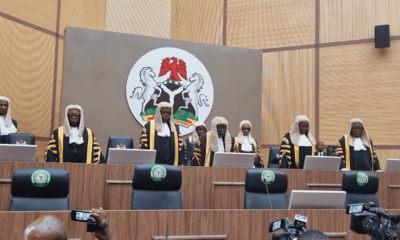
Opposition On Edge As Supreme Court Delivers Crucial Rulings On ADC, LP, PDP Crises Today
-
 Latest News8 hours ago
Sh*ck Arrest: Nuhu Ribadu Reportedly Detains NFSS Boss, 6 Others