

Economy
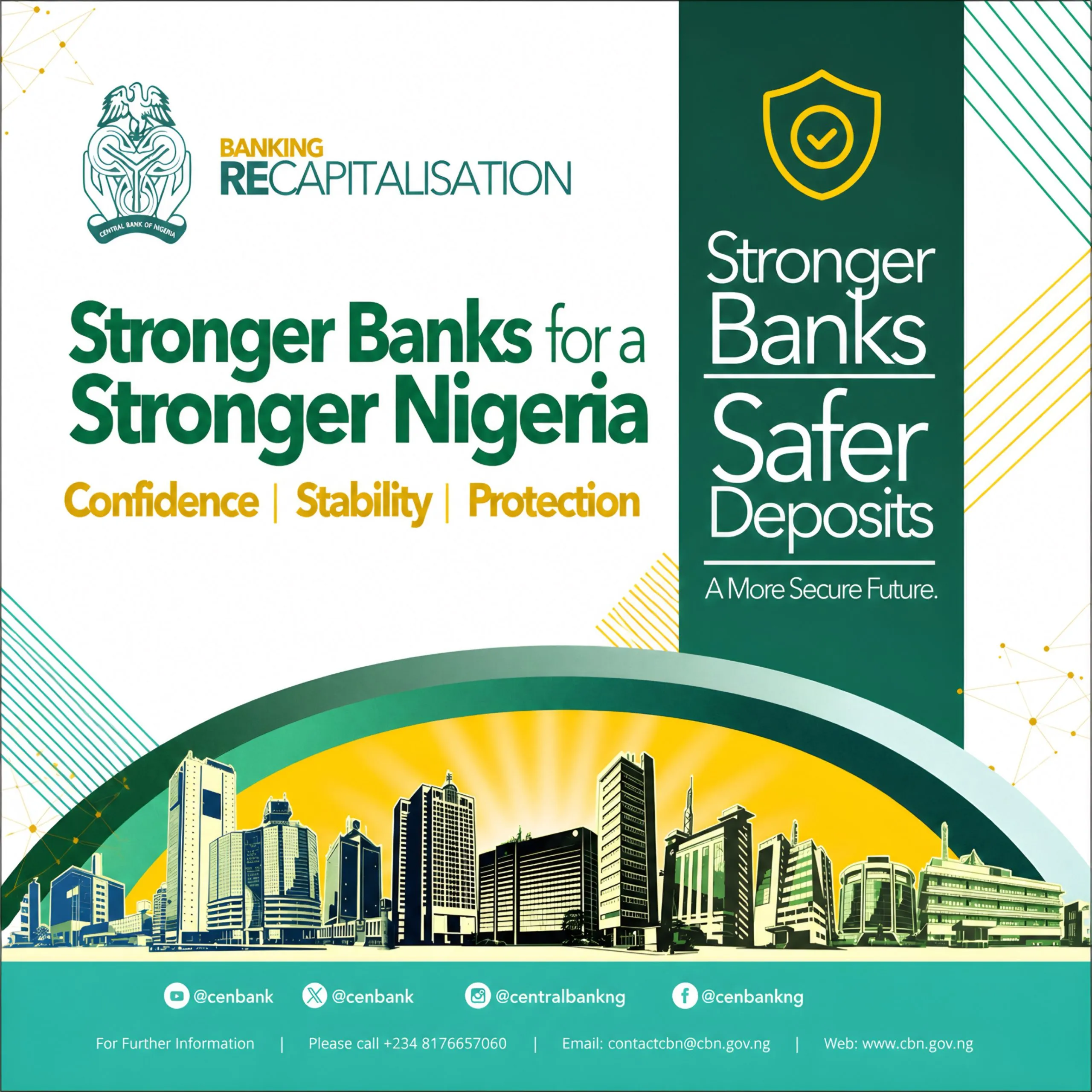
Nigeria Emerges as the 3rd Largest Debtor in World Bank’s Loan Program


Nigeria has officially become the third-largest debtor in the World Bank’s loan scheme, reflecting the country’s growing reliance on international financial assistance. As Africa’s most populous nation faces economic challenges, the World Bank’s funding has become crucial for stabilizing key sectors, including infrastructure, education, and healthcare.
A Deepening Debt Crisis
Nigeria’s debt under the World Bank’s International Development Association (IDA) has escalated in recent years. The IDA offers concessional loans to low-income countries, but Nigeria’s rising debt load poses serious concerns for its economic future. With over $12 billion in debt owed to the World Bank, Nigeria now trails only India and Bangladesh in terms of outstanding obligations.
Economic Challenges
The Nigerian government has been borrowing extensively to support its budget amid falling oil revenues, inflation, and other economic hurdles. While these loans have helped fund critical projects, the country’s growing debt stock has sparked debates about long-term sustainability.
Experts have raised concerns over how Nigeria will manage its repayments, especially given the potential impact on future generations. As the government grapples with internal economic reforms, the burden of external debt looms large.
Global Ranking and Implications
Nigeria’s ranking as the third-largest borrower from the World Bank highlights its dependence on external financing. This position emphasizes the need for careful fiscal management and economic diversification. While loans are vital for development, the government must balance borrowing with strategies to boost domestic revenue and reduce its reliance on foreign assistance.
Nigeria’s rising debt with the World Bank signals the need for deeper economic reforms and more efficient use of borrowed funds. Without swift action, the debt burden could strain future economic growth, placing the country at greater financial risk. The path forward must include policies that prioritize debt management and foster economic stability.


-
 Latest News2 weeks ago
BREAKING: Tinubu Appoints New NIPC, NEPZA Board Chairpersons
-

 Politics2 weeks ago
Seyi Makinde Makes Big 2027 Move, Names Running Mate
-

 Entertainment2 weeks ago
We Tried” — Diamond Platnumz’s Wife Announces End Of Marriage
-

 Latest News1 week ago
 -
 Latest News1 week ago
El-Rufai Makes Major Move, Withdraws Three Applications In Corruption Case
-

 Latest News6 days ago
APC Kicks Off 2027 Candidate Upload On INEC Portal
-
 Gist6 days ago
Tinubu Appoints Three Oyo Indigenes To Key Federal Positions
-

 Politics1 week ago
Malami Makes Political Move, Names ADC Deputy Gov Candidate In Kebbi
-
 Latest News2 weeks ago
Full List: Edo Governor Announces 20 New Appointments
-
 Latest News5 days ago
BREAKING: Okpebholo Suspends Edo Commissioner, LPRES Coordinator
-
 Politics2 weeks ago
Umahi Breaks Silence Over Lady’s Death Inside His Residence
-
 Latest News1 week ago
Lukman Walks Away From ADC, Faults El-Rufai