

Latest News
Pursuing Better Opportunities Beyond Music Careers


According to Ireporter Online, long before the Nigerian music industry attained its current global recognition, several artists once dominated the airwaves and street music scene, delivering hits that became cultural anthems across the country.
At different points between the late 2000s and mid-2010s, artistes such as Eldee Da Don, Lord of Ajasa, LKT, YQ, Jhybo, Base One, and Seriki were at the forefront of street-hop, indigenous rap, and early commercial pop sounds that shaped a major phase of Nigerian entertainment. Their music enjoyed massive airplay, club rotation, and strong street appeal during a period when the industry was still evolving.
Reports indicate that while some of their contemporaries sustained visibility and transitioned into long-term mainstream success, several of these once-popular acts gradually faded from the spotlight, with some relocating abroad in search of better opportunities and stability.
LKT gained widespread recognition for his contribution to the hit street anthem “Yahooze,” becoming a familiar name in clubs and social events during the rise of street-hop culture. YQ also recorded notable success with songs such as “I Like Girls” and “Efimile,” which received significant radio and television rotation.
Jhybo carved a distinct identity with tracks like “Run Their Mouth” and “Ejo Le Fe Ro,” blending Yoruba lyricism with contemporary hip-hop influences. Seriki earned respect for his indigenous rap style and collaborations within the industry, while Base One rose to prominence under the guidance of veteran producer ID Cabasa, delivering rap records that resonated strongly with younger audiences.
During their peak, these artistes enjoyed fame, endorsements, and frequent performance bookings. However, industry observers note that the Nigerian music landscape has since undergone major transformation, driven by digital streaming platforms, social media promotion, and the rise of a new generation of Afrobeats stars, making competition more intense and sustainability more demanding.
It is believed that economic challenges, inconsistent income streams, lack of structured royalty systems, and the pressure of maintaining public lifestyles may have influenced the decision of some artistes to seek opportunities outside the country. Others reportedly prioritized personal peace, family life, and financial stability over continued pursuit of music careers.
Although many of them no longer dominate mainstream conversations or charts, their contributions remain significant in shaping Nigeria’s street-pop evolution. Their music continues to evoke nostalgia among fans and is widely regarded as part of the foundation upon which today’s thriving Afrobeats industry was built.

-

 Latest News5 days ago
New Crisis In NDC As Kano Chairman Blocks Kwankwaso’s Takeover Move
-

 Latest News2 weeks ago
APC Elders Back Tinubu, Namadi, Acquire ₦150 Million Nomination Forms
-

 Latest News1 week ago
Tinubu Appoints Former Power Minister As Special Adviser
-
 Latest News1 week ago
Sh*ck Arrest: Nuhu Ribadu Reportedly Detains NFSS Boss, 6 Others
-

 Latest News2 weeks ago
Thousands Of Borno Youths Raise ₦38.5 Million In Massive Show Of Support For Ali Ndume
-
 Latest News2 weeks ago
Senate President Akpabio Declares Jimoh Ibrahim’s Seat Vacant
-
 Latest News4 days ago
You Will End Up On Your Knees When We Retaliate” – Oshiomhole Slams South African President
-

 Latest News1 week ago
Desmond Elliott Begs Gbajabiamila: “I’m Sorry If I’ve Wronged You
-

 Latest News1 week ago
Okpebholo Knocks Out Critics As He Tours Ikpoba Hill Flyover With Seun Okinbaloye
-

 Latest News5 days ago
Kano Political Shake-Up As Two Lawmakers Defect From ADC
-

 Latest News1 day ago
President Tinubu Makes Surprise New Appointment
-
 Latest News2 weeks ago
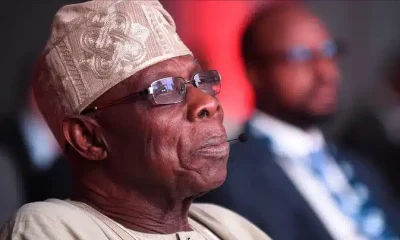
Obasanjo Opens Up: “I Won’t Forget What IGP Disu Did To Me During House Arrest