


Latest News
Nigerians Brace For Fresh Petrol Price Sh*ck As Marketers Raise Rates

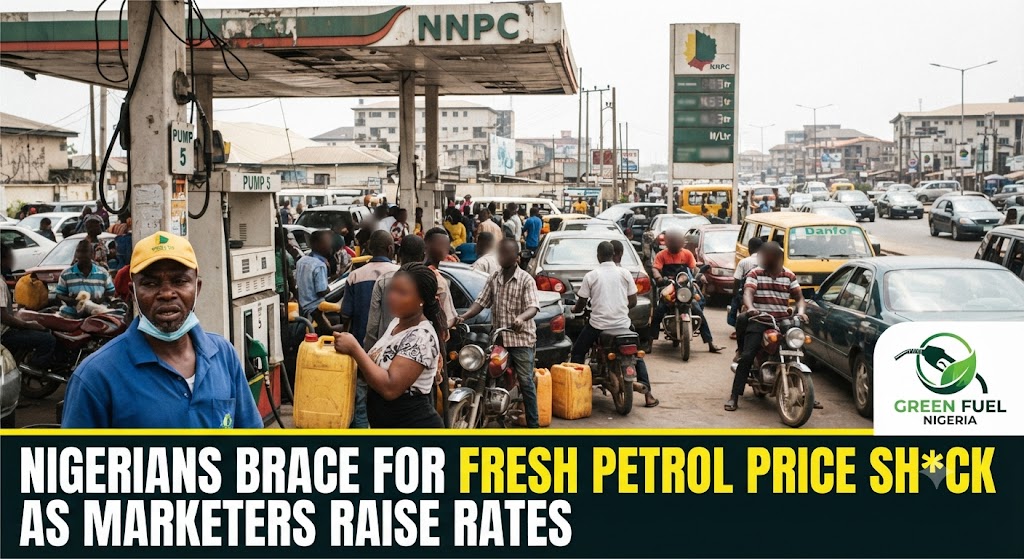
Motorists across Nigeria may soon experience another increase in petrol prices as petroleum importers have reportedly raised the depot price of Premium Motor Spirit (PMS), commonly known as petrol, from ₦1,230 to ₦1,350 per litre.
According to industry reports, importers informed petroleum marketers on Thursday, July 16, that the new ex-depot price would take effect from Friday, July 17, a development expected to trigger fresh adjustments in pump prices at filling stations that rely on imported products.
According to Ireporter Online, the latest increase is linked to the rising cost of importing refined petroleum products into the country, with market operators warning that consumers may soon bear the impact through higher retail prices.
Industry sources revealed that the adjustment came shortly after the Nigerian Midstream and Downstream Petroleum Regulatory Authority (NMDPRA) issued new import licences for the third quarter of 2026, allowing selected companies to bring petrol and diesel into Nigeria between July and September.
The move was aimed at strengthening supply, encouraging competition among petroleum marketers and ensuring stability in the downstream sector.
Reports indicate that companies including AA Rano, AYM Shafa, Bono, NIPCO and Pinnacle received approval to import petrol, while AA Rano, AYM Shafa, Bono, Matrix and Pinnacle were licensed to import Automotive Gas Oil (AGO), also known as diesel.
However, despite expectations that increased competition among importers would help reduce prices, market operators said the latest development could result in additional financial pressure on consumers.
The increase has also been attributed to disruptions in global shipping activities following renewed tensions between the United States and Iran, which have affected movement through the Strait of Hormuz, a major route for global oil transportation.
Analysts noted that higher freight charges and rising costs associated with importing refined products could continue to affect fuel prices in the coming weeks if geopolitical uncertainties persist.
A petroleum industry source expressed concern that the price adjustment contradicted expectations that granting more import licences would lead to lower costs and greater market competition.
The source explained that while the licences were expected to create more pricing options for consumers, the opposite appeared to be happening as importers were increasing their rates.
A petroleum marketer also stated that filling stations purchasing products from importers would likely have to adjust their pump prices to reflect the increased procurement costs.
The marketer added that retailers had limited options but to transfer the additional expenses to consumers, as operating costs continued to rise across the petroleum supply chain.

-

 Latest News3 days ago
BREAKING: Tinubu Appoints New NIPC, NEPZA Board Chairpersons
-

 Latest News1 week ago
Zulum Speaks On Gubio’s Running Mate Choice
-

 Politics5 days ago
Seyi Makinde Makes Big 2027 Move, Names Running Mate
-

 Latest News1 week ago
New Appointment Announced For Former VP Osinbajo
-

 Latest News1 week ago
Tinubu Unveils Fresh Appointments For Gbajabiamila, AGF, Others
-

 Politics1 week ago
Key Details Emerge From Meeting Of 18 APC First-Term Governors
-

 Latest News7 days ago
BREAKING: 8 Kidnappers Arrested, Others Eliminated As Oyo Pupils, Teachers Rescued
-

 Entertainment4 days ago
We Tried” — Diamond Platnumz’s Wife Announces End Of Marriage
-

 Latest News1 day ago
El-Rufai Makes Major Move, Withdraws Three Applications In Corruption Case
-

 Politics2 weeks ago
2027: APC Set To Upload Tinubu, Running Mate This Week
-

 Politics7 days ago
BREAKING: APC Unveils Tinubu’s 2027 Running Mate
-

 Latest News1 week ago
Female Journalist Reportedly Taken Into DSS Custody